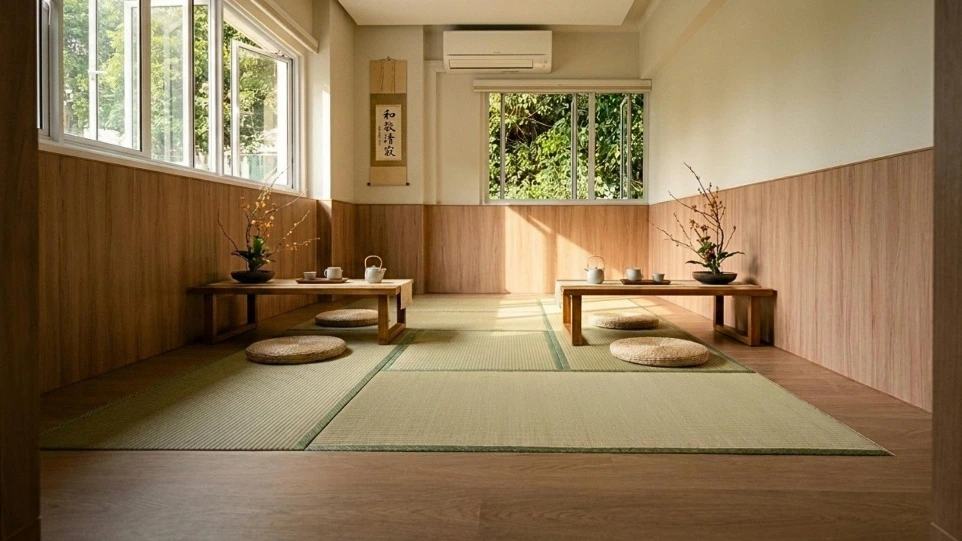
When did we decide that more cushion equals better sleep?
Somewhere between memory foam commercials and pillow-top promises, we convinced ourselves that sinking into a mattress was the path to rest. But what if the opposite were true? What if your body has been quietly craving something firmer, something closer to the ground?
Enter the shikibuton, a traditional Japanese floor mat that's been supporting bodies (and sleep) for centuries. But before you picture yourself waking up sore on a hardwood floor, let's talk about what a shikibuton actually is, and more importantly, whether it's the missing piece in your wellness puzzle.
What Exactly Is a Shikibuton?
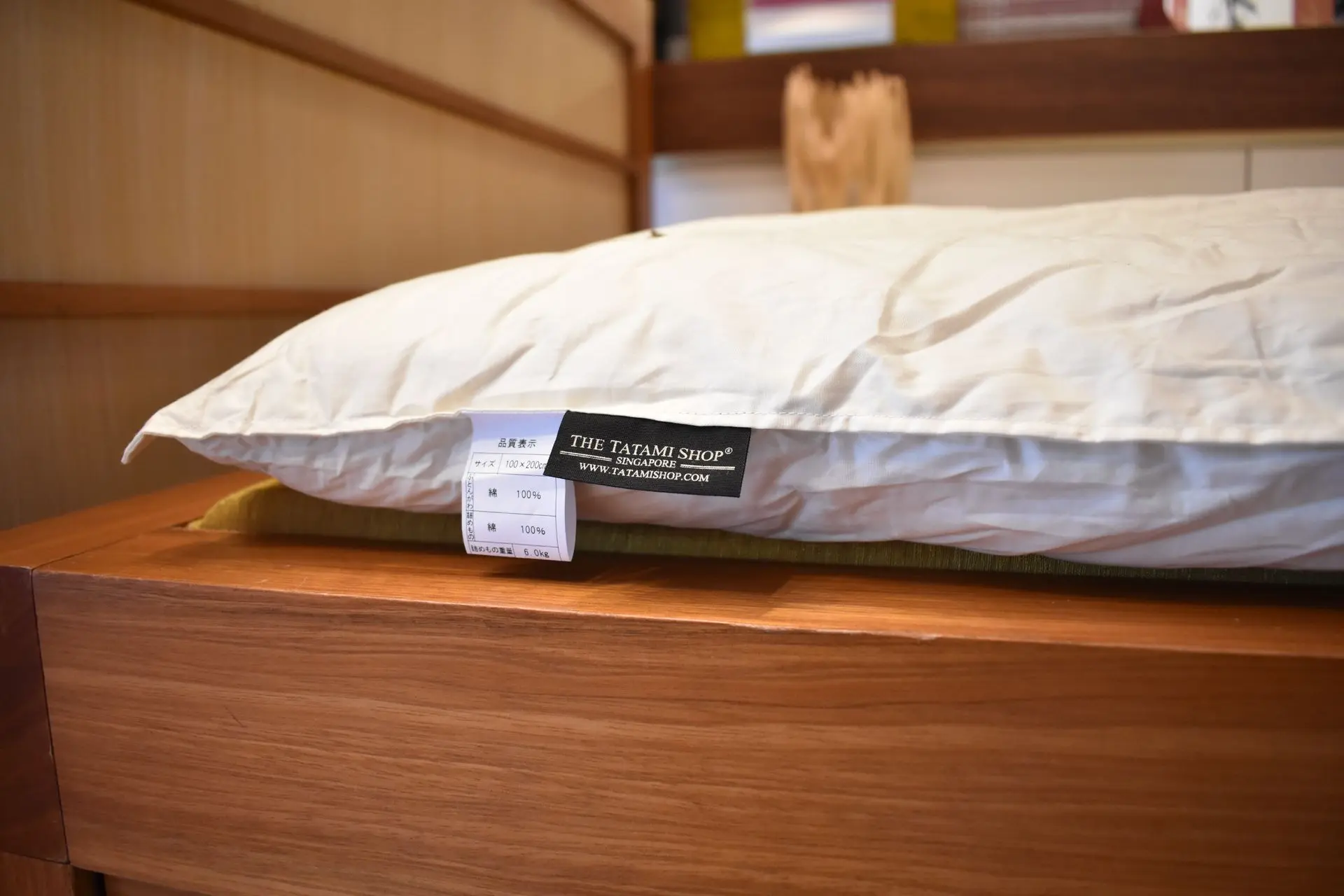
Think of a shikibuton as minimalism meeting intentionality. It's a thin, foldable mattress traditionally filled with cotton or natural fibers, designed to be laid directly on tatami mats or floors. Unlike Western mattresses that demand permanence and space, shikibutons are portable, versatile, and refreshingly simple.
But here's what sets an authentic shikibuton apart: it's handcrafted from 100% natural materials. No synthetic foams. No off-gassing chemicals. Just layers of organic cotton, wool, or other natural fibers compressed to create a supportive yet breathable sleep surface. In a world drowning in synthetic everything, that matters.
Won't It Be Too Hard? (Let's Get Real About Comfort)
This is the million-dollar question, isn't it?
The honest answer: yes, it will feel different. And for the first few nights, your body might stage a small protest.
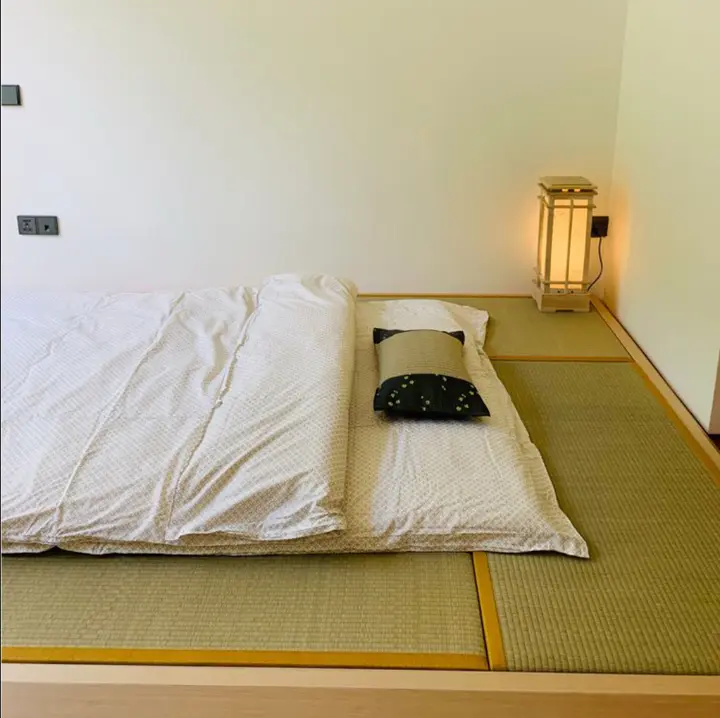
But here's what most people don't realize, firmness isn't the enemy. In fact, most people need at least 1-2 weeks to begin adapting to floor sleeping, and during that adjustment period, something remarkable happens: your body begins to align.
That plush mattress you've been sleeping on? It might be conforming to your shape, but not necessarily in a good way. Soft surfaces can allow your spine to curve unnaturally, creating pressure points and misalignment. A shikibuton's firm support encourages your spine to maintain its natural curve, which is exactly what it's designed to do.
Think of it this way: comfort isn't always about softness. Sometimes it's about support. Sometimes it's about waking up without that nagging lower back ache that's become your unwelcome alarm clock.
Why Your Body (and Your Space) Might Love This
Let's talk about the three reasons people are gravitating toward shikibutons in 2025.
For Your Aching Back: Traditional mattresses often create uneven pressure distribution. Your heavier parts sink deeper while lighter areas get less support, creating a hammock effect that strains your spine. A shikibuton provides consistent support across your entire body. It's not a miracle cure, but if you're dealing with chronic back pain, that firm, even support might be exactly what your body's been asking for.
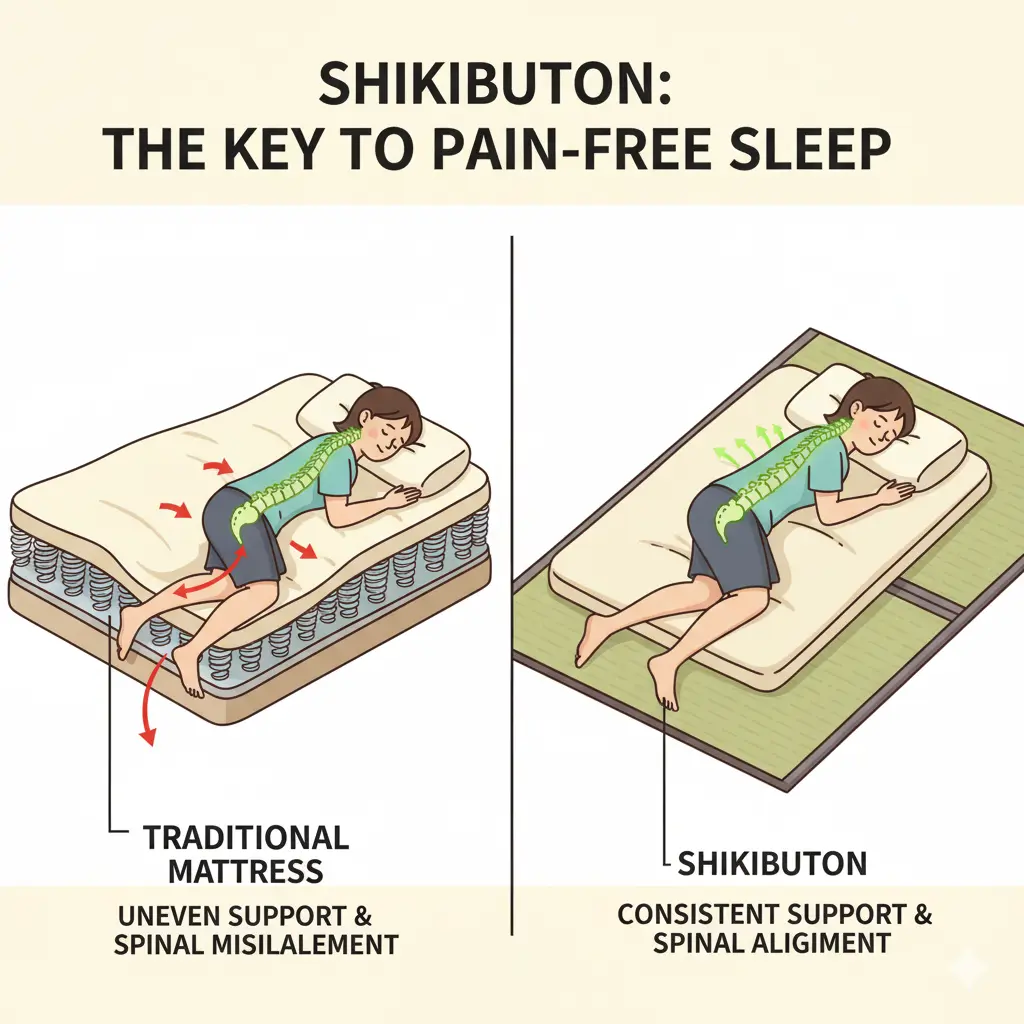
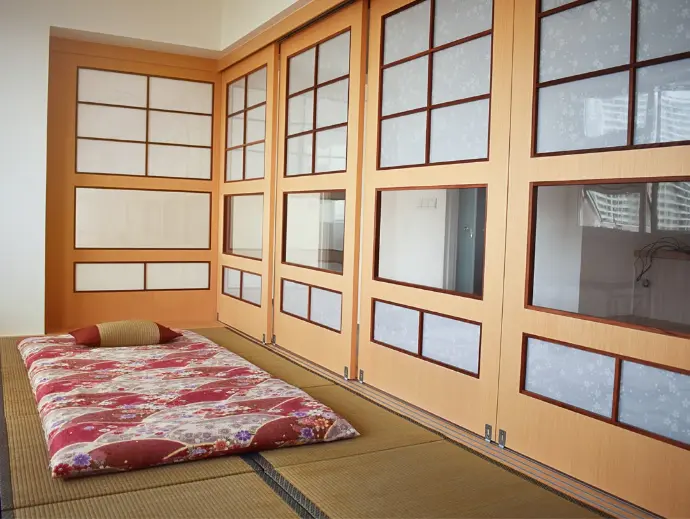
For Your Cramped Apartment: If you live where every square foot costs a fortune, a shikibuton isn't just a mattress, it's a space solution. Fold it up during the day, and your bedroom becomes a yoga studio, workspace, or simply breathing room. No bulky bed frame eating up visual space. Just flexibility and the freedom to design your space around your life, not your furniture.
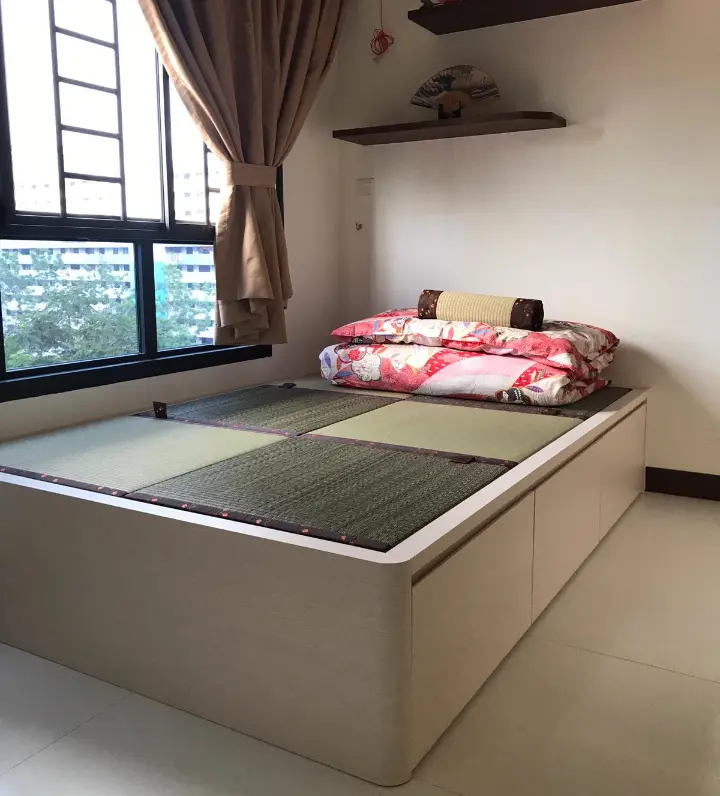
For Your Values: Every handmade shikibuton tells a story of natural materials and craftsmanship. When it's 100% natural, you're choosing a product without petroleum-based foams or chemical flame retardants. Natural fibers breathe, regulate temperature, and don't off-gas compounds into your bedroom air. And when they reach the end of their lifecycle, they return to the earth rather than sitting in a landfill for decades. This is sustainability you can actually sleep on.
The Transition: Making It Work for You
Switching to a shikibuton doesn't have to be all-or-nothing. Start gradually. Try it for naps. Use it as a meditation cushion or floor seating. Let your body become familiar with the support before committing to full nights.
Some practical tips:
Place your shikibuton on a tatami mat or rug for slight added cushioning
Use proper pillows to support your neck alignment
Side sleepers: consider a slightly thicker shikibuton or doubled-up layers
Give yourself at least two weeks before making a final judgment
Remember, this is a practice in mindful living. It's about tuning into what your body actually needs versus what advertising has told you to want.
Is This Your Sleep Solution?
A shikibuton might be right for you if you're tired of back pain dictating your mornings, you value natural materials over synthetic convenience, your living space demands flexibility, or you're curious about intentional, minimalist living and looking for floor sleeping solutions.
It might not be right for you if you have mobility issues that make floor sleeping difficult, you're unwilling to go through an adjustment period, or you truly need the softness of traditional bedding for medical reasons.
There's no judgment either way. The goal is better rest and better living, however that looks for you.
Your Next Step Toward Natural Rest
If you've read this far, something about the shikibuton concept resonates with you. Maybe it's the simplicity. Maybe it's the sustainability. Or maybe you're just curious about whether your back pain could finally find relief.
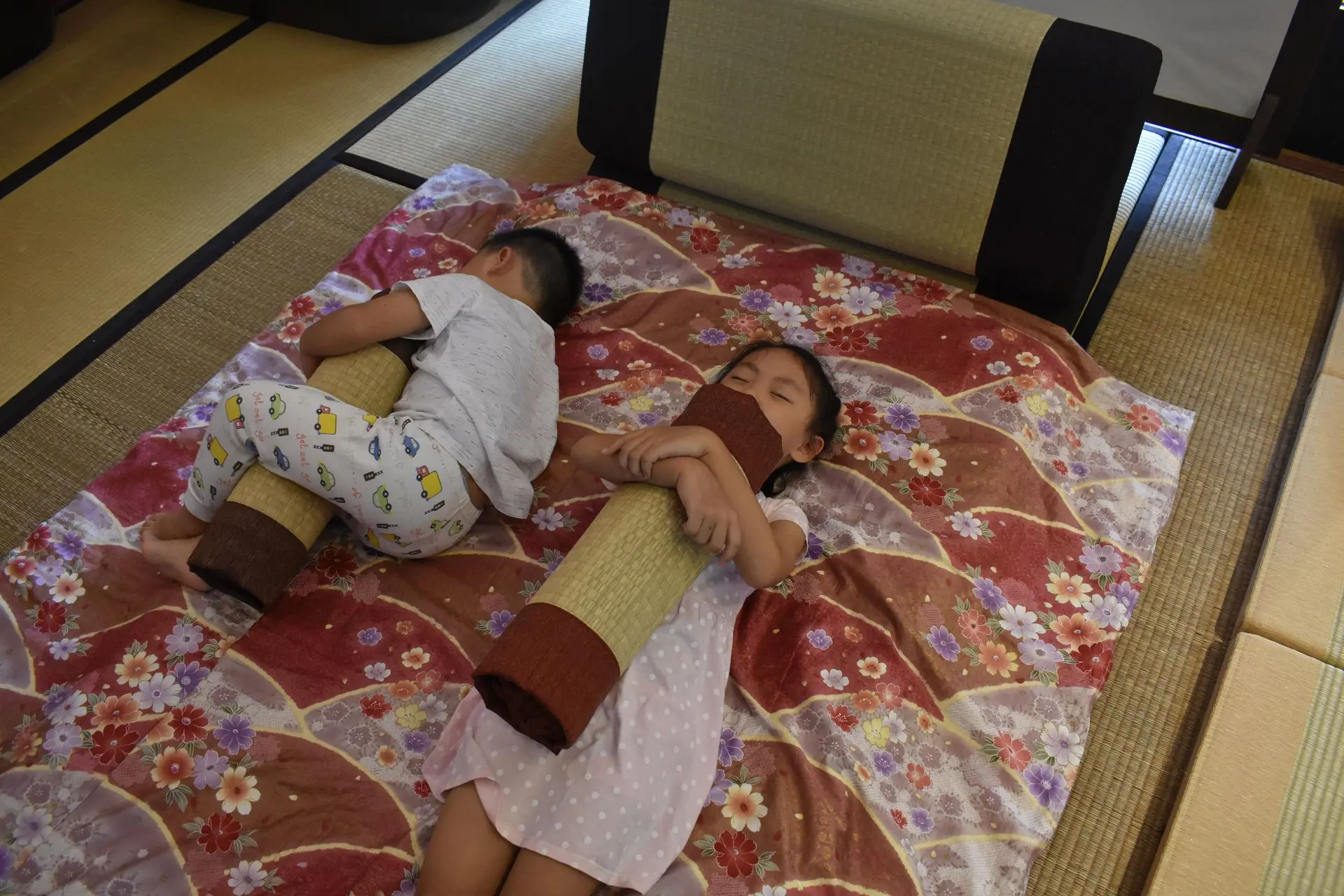
The only way to know is to experience it yourself. At Tatami Shop, we've spent over 26 years mastering authentic Japanese sleep concepts, bringing genuine craftsmanship to every handmade shikibuton. We understand that choosing to sleep closer to the nature is more than a purchase, it's a lifestyle shift.
Ready to explore whether a shikibuton belongs in your wellness journey? Visit our website to discover our collection of 100% natural, handcrafted shikibutons designed for the modern lifestyle.
Your body—and your small apartment—might just thank you.