Have you ever looked at a beautiful Tatami room and thought, "Wow, those mats look incredible, but why are they so pricey?" I know I have. It's easy to just see a woven mat, perhaps, but the price tag can sometimes feel like a bit of a shock. It turns out, the cost of Tatami isn't just about the Rush grass and rice straw. It’s actually tied up in a whole lot of factors, from the incredibly detailed process of making them to the simple, brute fact of how much it costs to ship something so big and heavy across oceans.
So, let's unpack why these traditional Japanese floor coverings come with a premium price.
1. The Art and Science of Manufacturing
Perhaps the single biggest factor driving up the cost is the manufacturing process itself. Tatami isn't stamped out quickly in a huge factory. It takes time, and honestly, a lot of skill.
Materials Matter
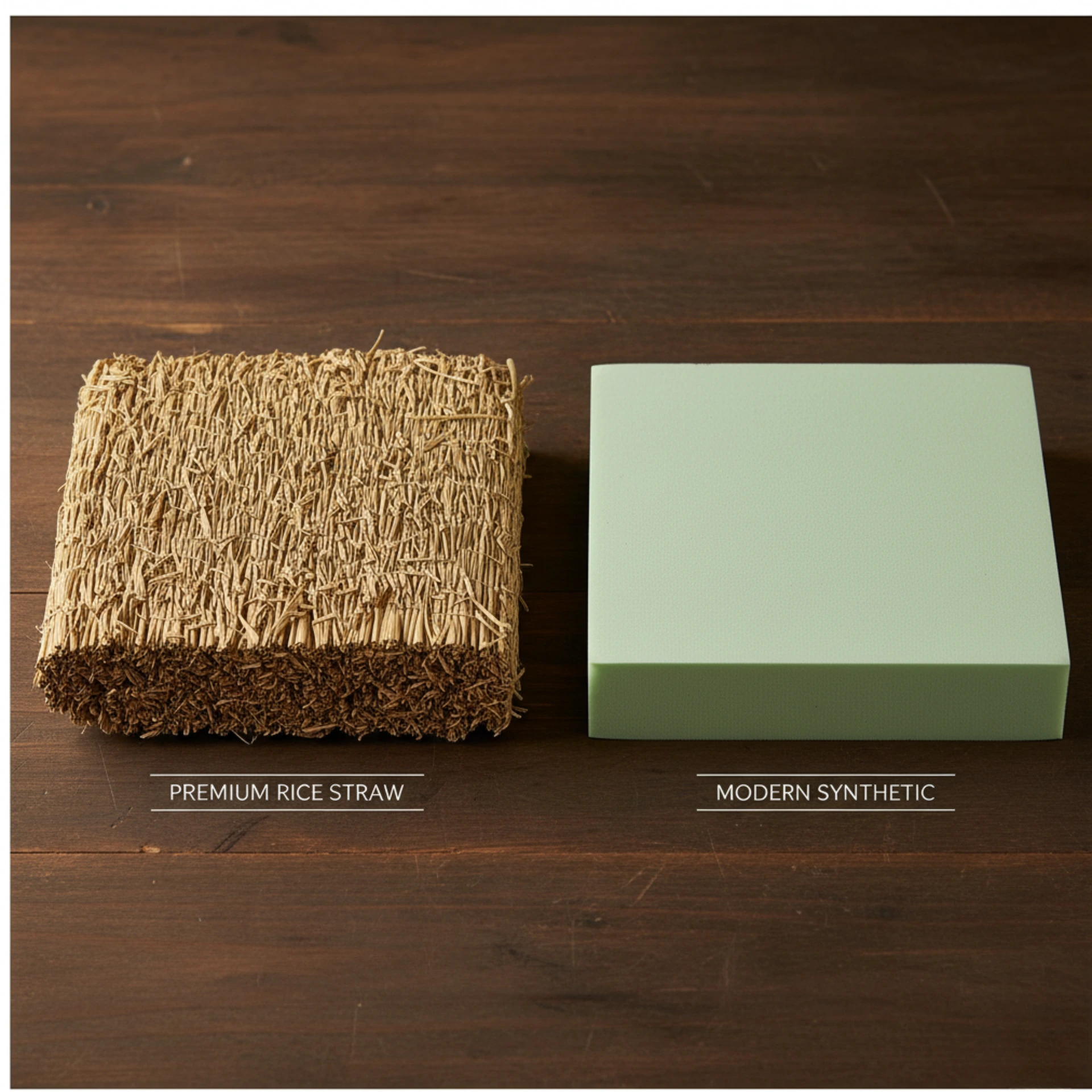
Tatami Mats are traditionally made from Igusa (woven Rush grass) for the surface and a compressed rice straw or modern synthetic core. High-quality mats, especially those made with straw, can last for decades—sometimes up to 10 years (only with proper care, regular usage and maintenance)—and the longevity is directly linked to the quality of the core material. Using the highest quality Rush grass and core materials is expensive, but it delivers a superior, durable product.
The Exacting Process
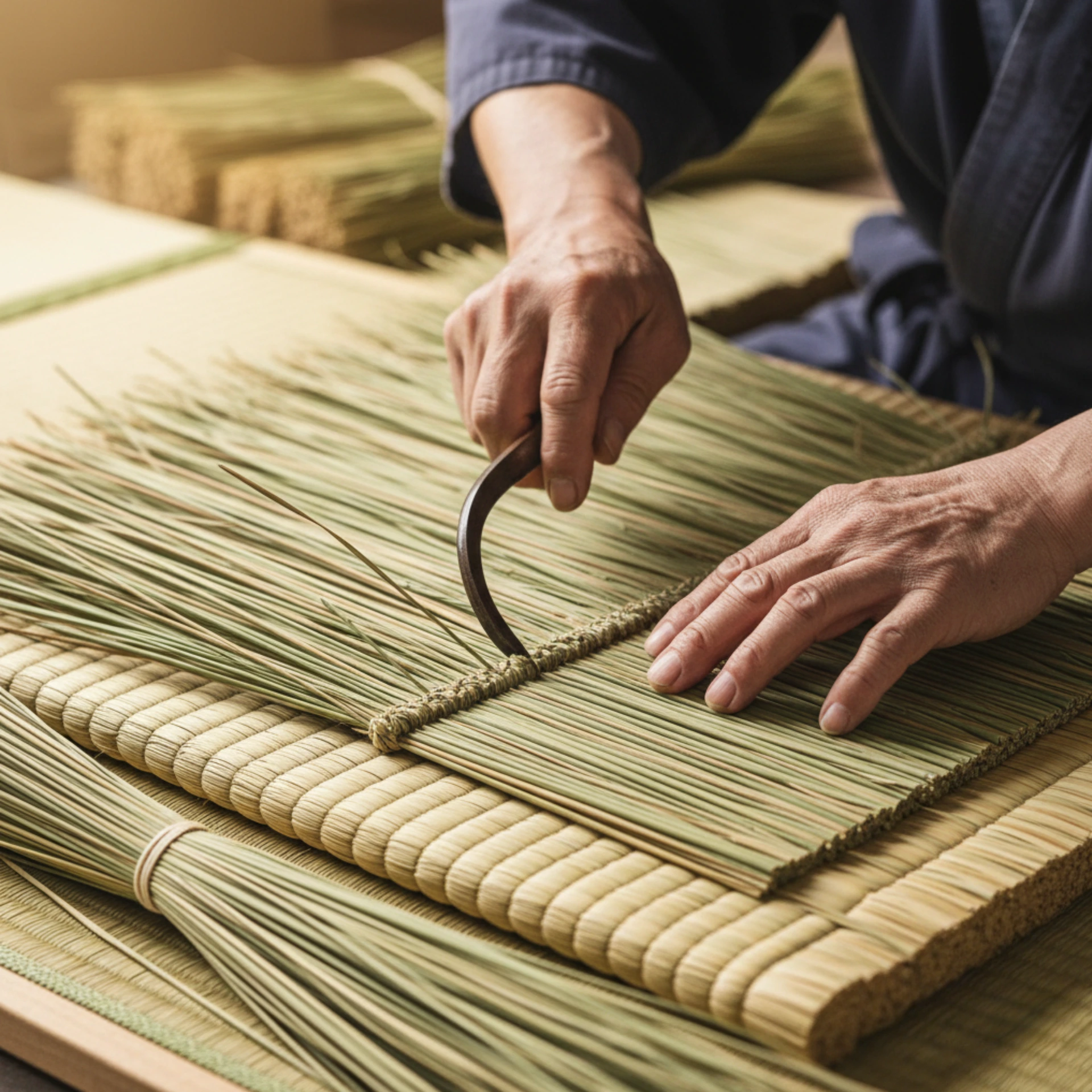
Making a high-quality Tatami Mat is an exacting process. It’s time-intensive and requires precision, whether it's fully handmade (which can cost significantly more, from 50,000 to 180,000 JPY per mat) or machine-made (which is cheaper, but still requires skilled oversight).
This isn't just weaving; it's compressing, binding, and finishing a very specific, traditional piece of flooring. When you buy a premium Tatami Mat, you aren't just paying for the materials; you're paying for the craftsmanship and the commitment to quality that ensures the mat will be firm, uniform, and long-lasting.
2. The Weighty Issue of Shipping
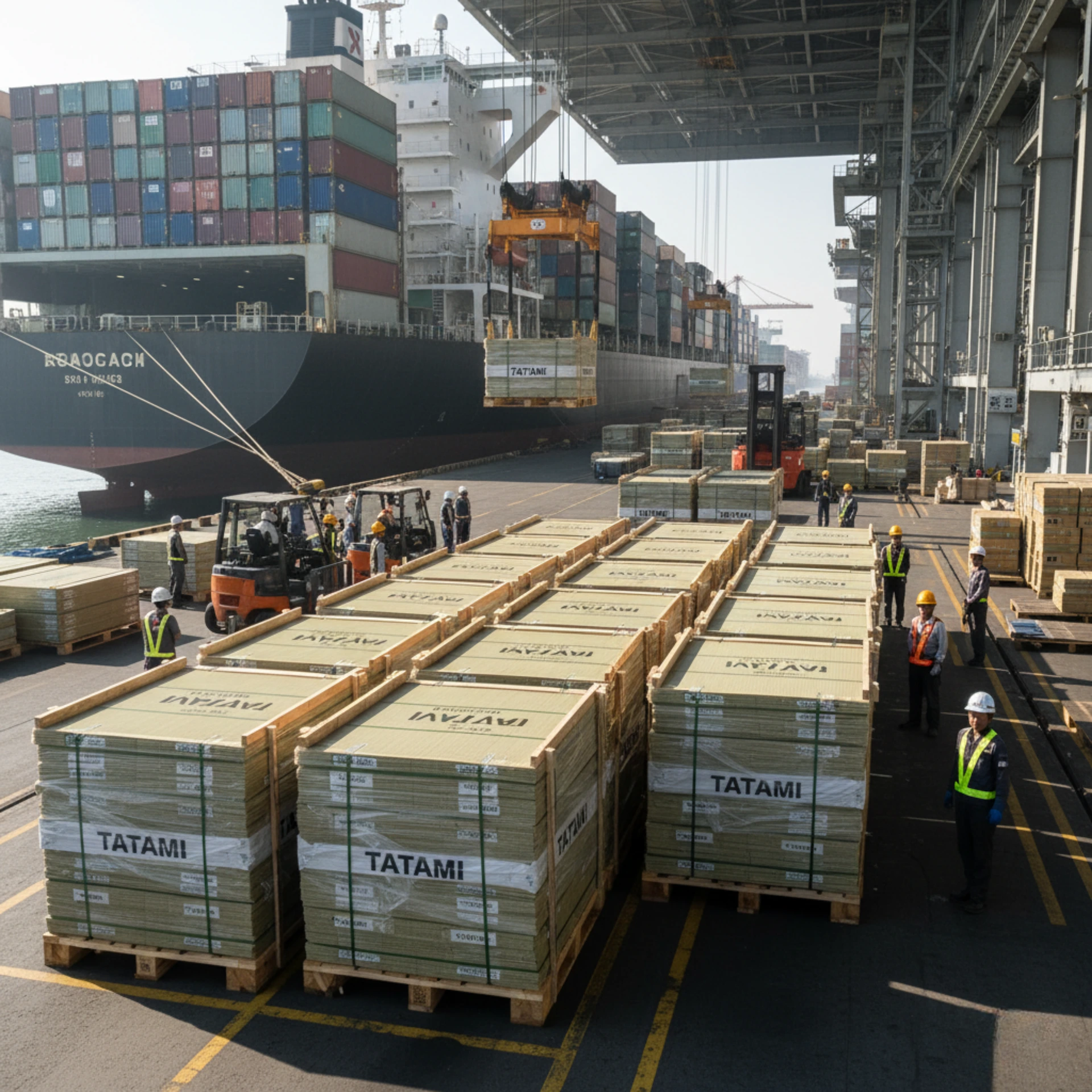
I think many people overlook this part: Tatami Mats are large, heavy, and frankly, a logistical pain to move around.
International Freight is Sky High
For those of us outside of Japan, especially in places like the US, Tatami Mats have to be shipped internationally. And international shipping, especially for bulky, heavy items, has been incredibly expensive recently, sometimes six times higher than pre-pandemic levels.
Customs and Tariffs
It's not just the boat ride. These mats need to be heat-treated to meet customs clearance requirements, and then there are the customs fees and tariffs themselves. All of these regulatory hoops and associated costs pile up before the mat even touches US soil.
Domestic Transport is Hard, Too
Once they arrive, they can’t just be tossed onto a standard delivery truck. Tatami Mats are too big and too heavy for traditional couriers. They require custom pallets and specialised freight shipping, which adds another substantial layer to the final retail price. You might be surprised how much of the cost is simply moving the mat from one place to another.
3. The Shift in Japanese Homes
It's interesting to consider that in Japan, while Tatami is deeply traditional, fewer new homes feature entire Tatami rooms these days. And this, perhaps counterintuitively, can also affect the price.
Why are there fewer Tatami rooms? The main reason is construction costs. Wooden flooring is often just cheaper to install than a full Tatami floor system. While machine-made Tatami is available and more affordable (around 8,000 to 40,000 JPY), the move toward cost-saving construction means the market for traditional mats might be smaller and more specialised, thus keeping premium prices firm.
Also, maybe we should question the assumption that wooden floors are automatically better or cheaper in the long run. Tatami, particularly the high-quality kind, offers superior durability over many types of carpet and can last for a generation. So while the initial outlay for Tatami is higher, perhaps the long-term value is often overlooked.
Read more on how Japanese and Scandinavian home aesthetics are similar →
4. Why We Pay the Price: Value and Experience
At the end of the day, you're not buying an ordinary rug; you are investing in a flooring system that provides a unique experience.
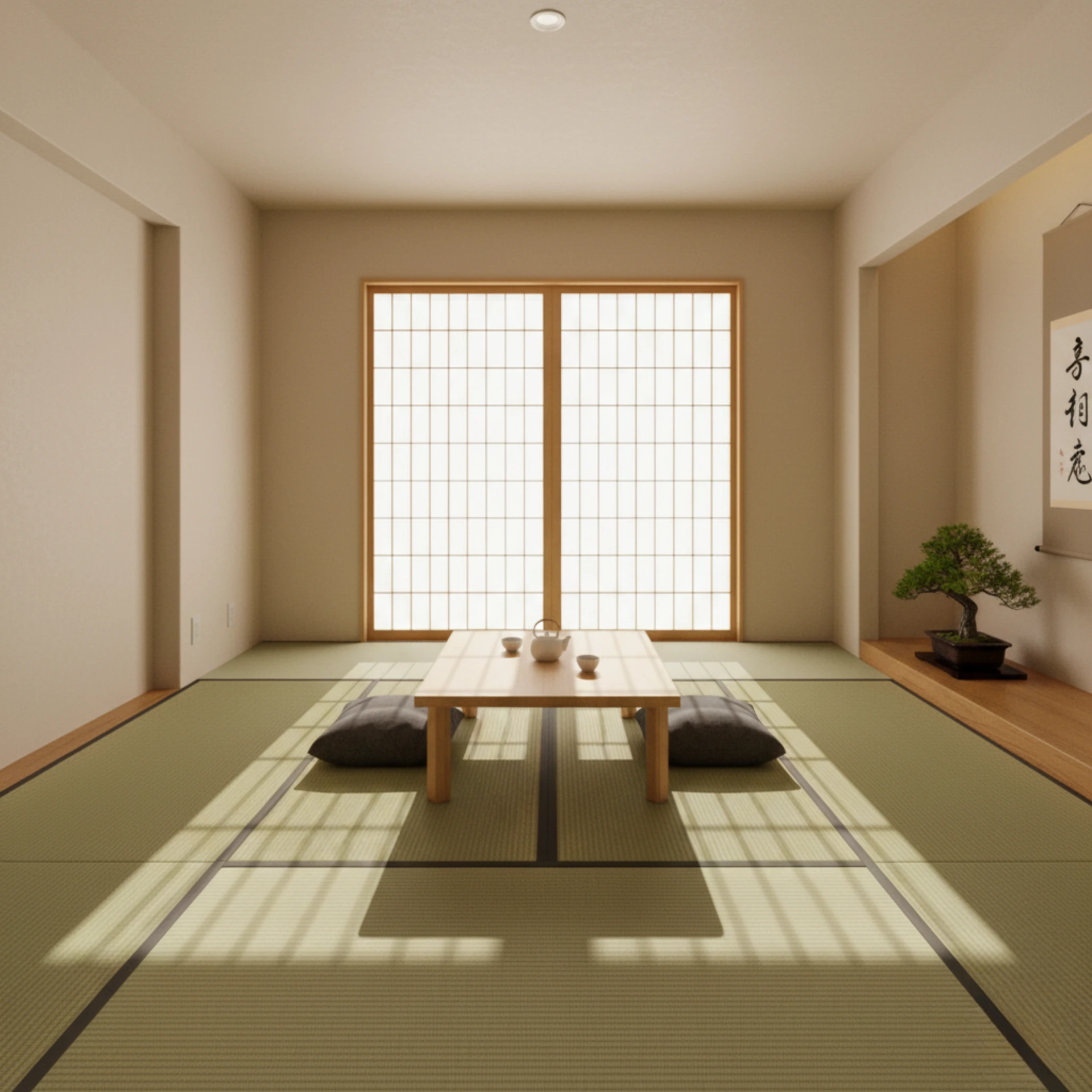
Tatami offers a natural, breathable, and slightly cushioned surface. It's part of the ambiance of a Japanese-style room, and it often simply feels better underfoot than cold hard wood. For many buyers, the cost reflects the authenticity and the specific feeling of tranquility and tradition that only a real Tatami Mat can provide.
We think the important takeaway here is that the cost of Tatami is less about profit margin and more about the fundamental costs of high-quality materials, exacting traditional labor, and the brutal logistics of shipping heavy, specialised goods internationally. It's a premium product with a price tag that reflects every step of its complicated journey.