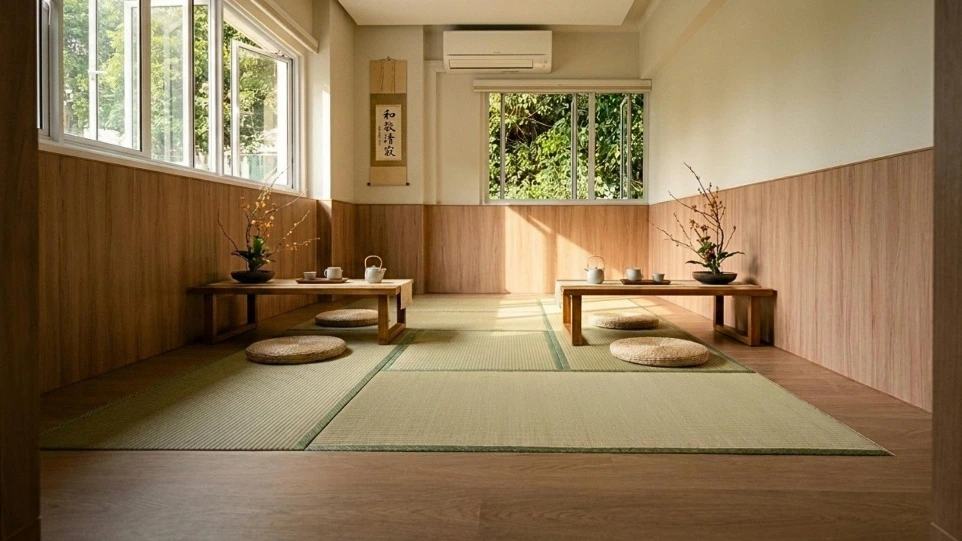
There's something fascinating happening in homes around the world. While we're constantly told to optimize, upgrade, and accumulate, a growing number of people are turning toward something entirely different: the ancient Japanese approach to sleep and space.
This isn't just about furniture trends. It's about a fundamental question that extends far beyond our bedrooms: In a world of constant change, do we need more flexibility or more stability in our lives?
The Nomad's Wisdom: Understanding Futon Philosophy
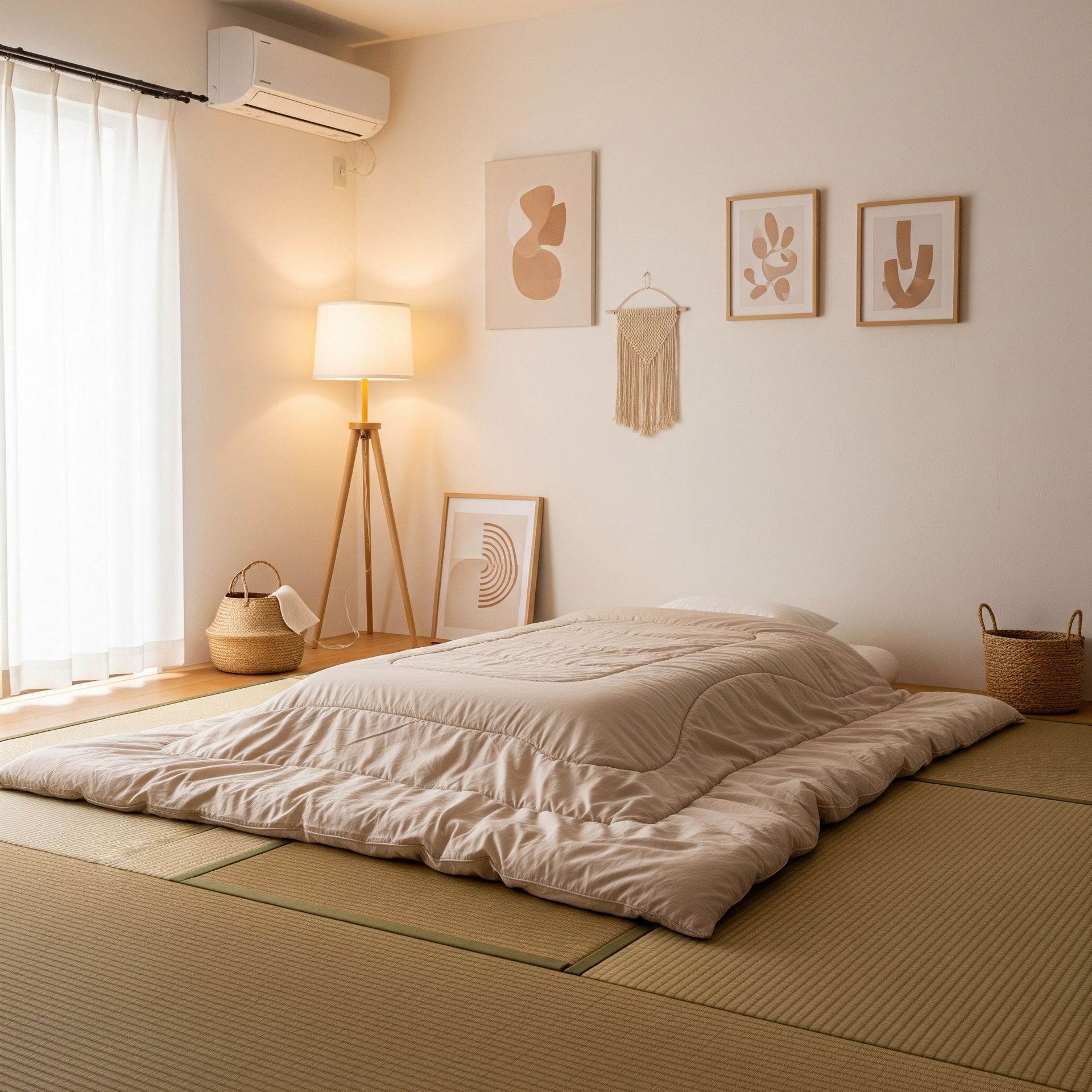
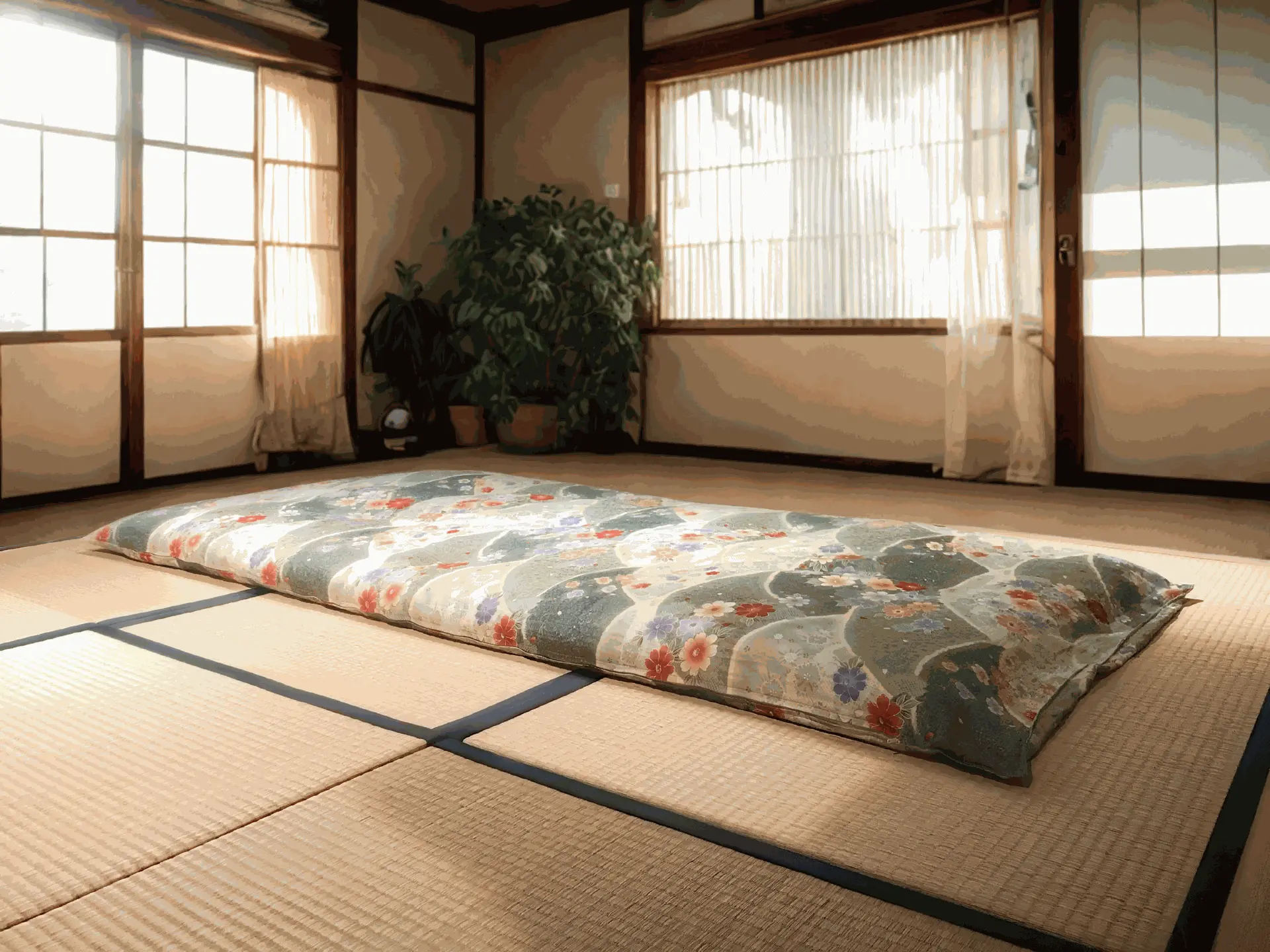
The Japanese futon represents something profound about human adaptability. Unlike the Western concept of a permanent, immovable bed dominating a bedroom, the futon embodies the principle of ma – the powerful use of negative space.
Think about it: most of us dedicate a third of our living space to a bed that serves us for only eight hours a day. The futon challenges this assumption entirely. By day, your bedroom becomes a meditation space, exercise area, or creative studio. By night, it transforms back into a sanctuary for rest.
This isn't just practical, it's philosophical. The daily ritual of setting up and putting away your sleeping space creates what Japanese culture calls mindfulness through repetition. You're not just making your bed; you're actively participating in the rhythm of your day.
But here's where it gets interesting from a wellness perspective: sleeping on a firmer surface isn't just traditional preference. Research suggests that proper spinal alignment during sleep can significantly impact our energy levels and physical comfort. The futon's firm support naturally encourages your body to maintain its natural curves, potentially reducing the tossing and turning that disrupts deep sleep cycles.
Why Tatami Mats Ground Us
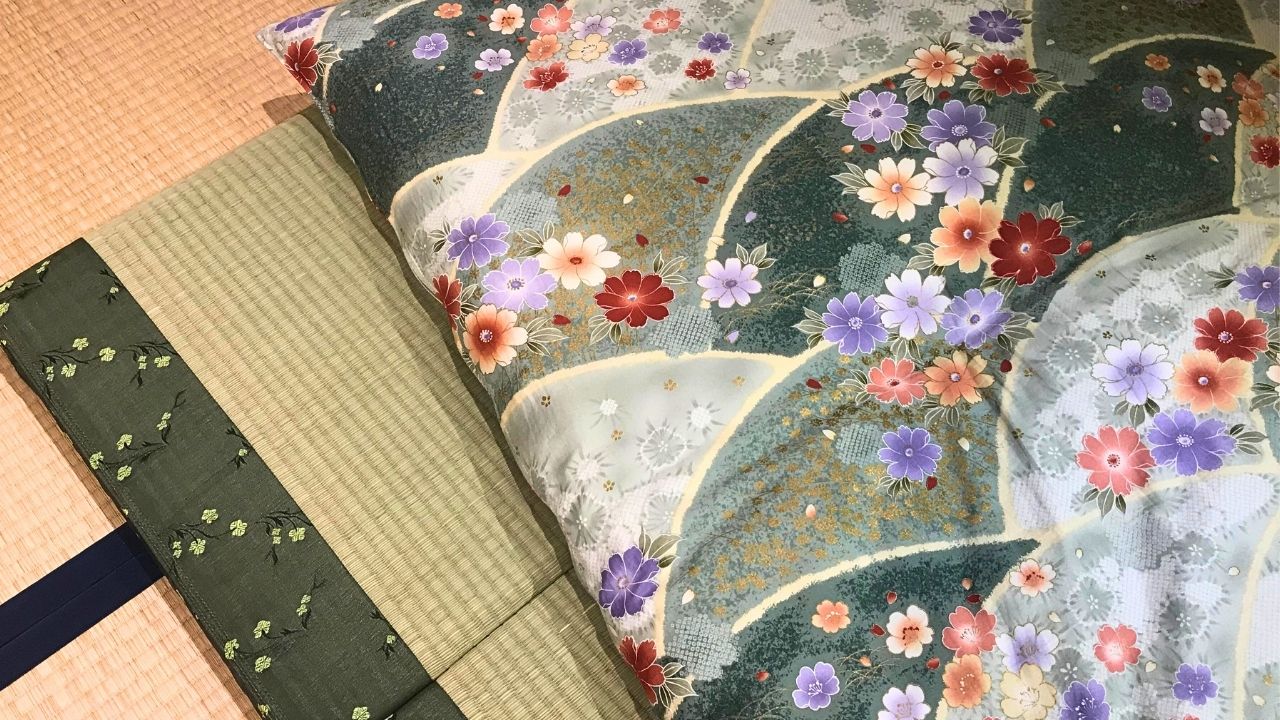
While futons represent adaptability, tatami mats embody something equally important: the power of consistent, natural grounding. These aren't just floor coverings, they're living, breathing ecosystems that interact with your environment.
The magic lies in the igusa rush plant, traditionally grown in specific regions of Japan where the climate and soil create the perfect growing conditions. These rushes don't just provide texture and scent; they actively regulate humidity and temperature. Your room literally breathes with you.
One of our customer described his experience perfectly: "I like to sleep on the tatami as it's very cooling... I like the smell of the tatami too, it's soothing and feel so 'close' to the nature."
This connection to nature isn't coincidental. Japanese philosophy recognizes that humans need grounding, literally and figuratively. The tatami mat provides a stable foundation that connects you to natural elements, creating what researchers now call "biophilic design" environments that satisfy our innate need to connect with nature.
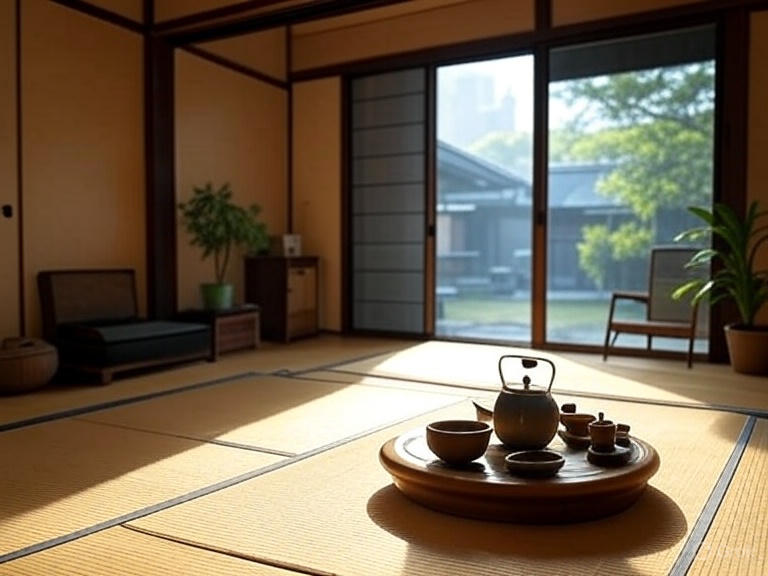
The cooling effect isn't just comfort; it's your body's natural temperature regulation system working more efficiently. When your sleeping environment naturally maintains optimal temperature, your body doesn't have to work overtime to thermoregulate during sleep.
Flexibility vs. Stability in Our Lives
Here's what's fascinating: the futon vs tatami debate mirrors a larger question about how we want to live in the modern world.
Are we nomads, needing the flexibility to adapt our spaces as our lives change? Or are we seekers of stability, craving the grounding that comes from consistent, natural environments?
The answer, as with most profound questions, isn't either. It's both.
Consider the current global trends: remote work has made us more nomadic, yet wellness culture emphasizes the importance of routine and grounding. Urban living demands space efficiency, yet we're increasingly aware of our need for natural elements in our homes.
What We're Really Seeking
The most interesting homes we've encountered don't choose between these philosophies, they integrate them. The tatami mattress provides the stable, grounding foundation. The futon offers the flexibility to adapt the space to changing needs.
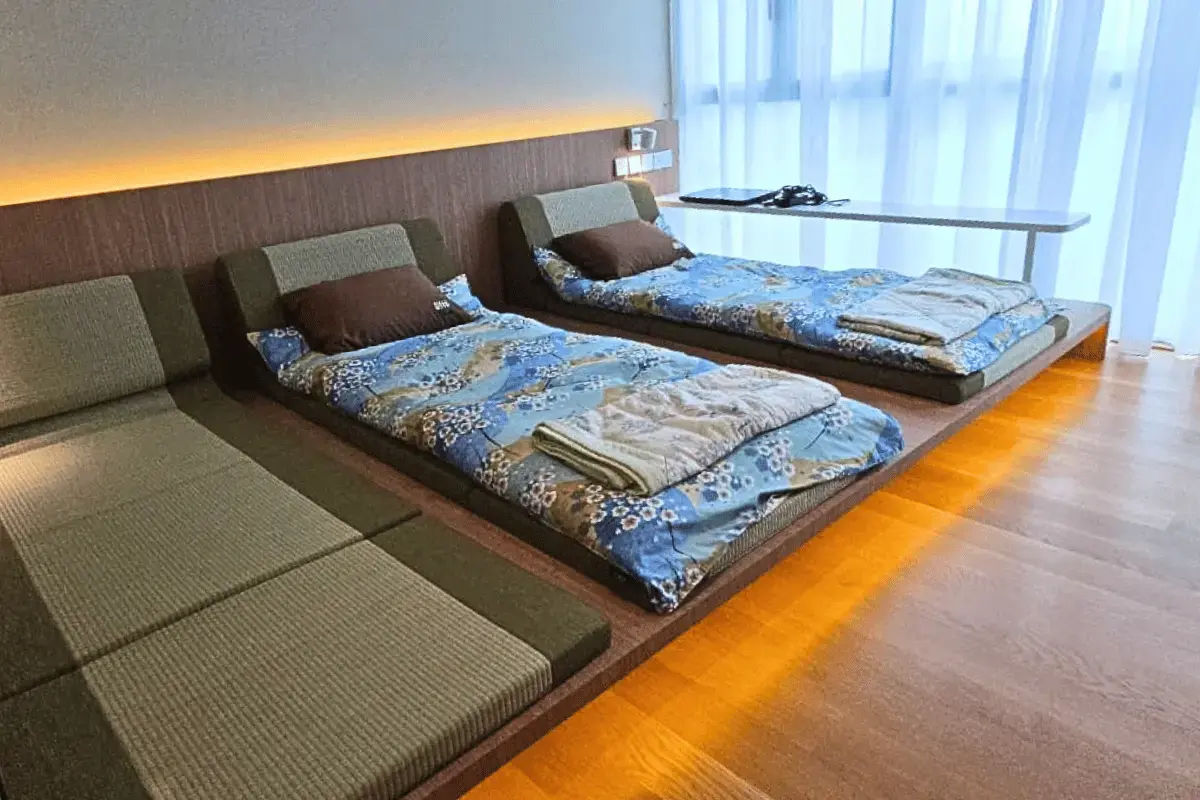
This combination addresses something deeper than just sleep comfort. It creates what psychologists call "environmental mastery" the ability to create and modify your environment to support your wellbeing.
The firm, natural surface supports proper spinal alignment while the natural materials create an environment that feels connected to something larger than our indoor, artificial world. It's not just about better sleep; it's about creating a more intentional relationship with our living spaces.
A Philosophy for Modern Living
What if the futon and tatami approach isn't just about sleep at all? What if it's about a different way of thinking about our relationship with stuff, space, and stability?
In a world where we're constantly accumulating and consuming, these traditional Japanese elements offer a different path: intentional simplicity, natural materials, and the wisdom of adaptation without losing our grounding.
Whether you choose the adaptability of a futon, the stability of tatami mats, or the integration of both, you're participating in a philosophy that's thousands of years old yet perfectly suited to our modern challenges.
The question isn't what to buy, it's how to live more intentionally with the space we have.