Beauty comes in many forms, from aesthetically pleasing symmetry, to golden ratios and distinctive shapes. Beauty can be found in the complex and ostentatious, and in simplicity and minimalism. Beauty as they say, is in the eye of the beholder, and for some, it can be found in the ever-changing, transient, and imperfect form of natural materials. This is known as Wabi Sabi.
Rooted in Taoism and Zen Buddhism, Wabi Sabi is an influential Japanese aesthetic. Wabi is a concept rooted in finding beauty in the subdued and simple, while Sabi refers to a rustic aesthetic that is often found in nature. Blending the two together, the Japanese create a unique aesthetic that combines minimalistic living with materials that naturally change over time. Prizing authenticity, Wabi-Sabi acknowledges three simple realities, that nothing remains unchanged forever, that nothing is every truly finished, and that nothing is perfect.
The Allure Of The Imperfect
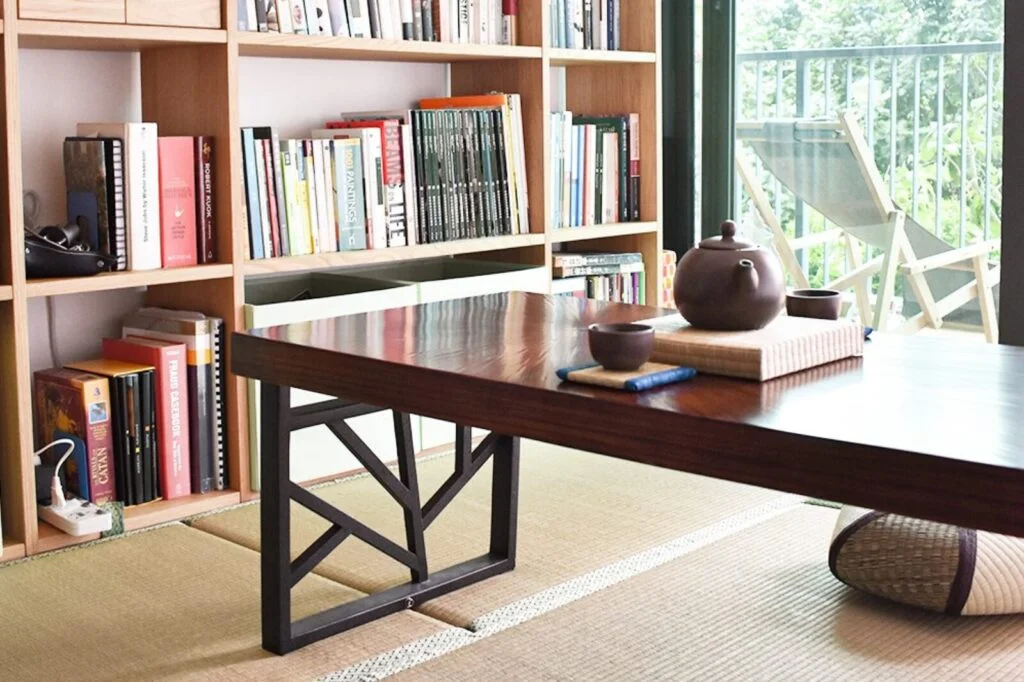
Items that carry the aesthetic beauty of Wabi Sabi are not perfect. They are not symmetrical or made to be identical to each other. Each piece used to convey Wabi Sabi has been touched by and molded by the hands of an artisan, and the variations and imperfections they carry are a sign of craftsmanship and legitimacy.
By incorporating nature into this aesthetic, Wabi Sabi ensures a level of uniqueness in any setup that uses the aesthetic. Wooden furniture, Tatami mats, and molded clay pottery are all shaped from naturally occurring materials and all carry some level of variation. The reeds in a Tatami Mat might have dried at different rates due to the angle of the sun at noon, or a reed might be lighter than its fellows due to having had more nutrients while growing. Wooden furniture contains rings and patterns unique to that tree, and Clay will crack and shimmer differently based on the makeup of the material and the way it was placed in the kiln. Each imperfection, each thinner reed or swirl in the wood, tells a story.
At its core, Wabi Sabi is about accepting imperfections and change, and recognising that these are signs of their natural origin and the hands that shaped them. To let go of the chase for perfection and to value items that have meaning over those that are shaped to be identical. It carries an appreciation of the living world and of craftsmanship.

Changing Seasons, Aging Gracefully
Imperfection is one point of the Wabi Sabi aesthetic, but impertinence is another. Change is inevitable, nothing is entirely the same throughout time. This philosophy of acceptance teaches us to accept that the world around us will transform as the years pass, and that there is value to be found in this transformation.

This school of thought is exemplified in Tatami. Woven from Igusa reeds that are dried and then woven, Tatami mats start as a pale green and as they age, shift color to a golden yellow over the course of five to ten years. Through this journey the reeds will shift in flexibility, adapting to the weight of those who rest on it regularly. Transformations such as this are a positive thing, the wear you leave on your furniture personalising it and making it uniquely yours. At the same time, Tatami, in particular, strengthens with age, growing more resilient to mold and moisture. While modern-day mass-production items tend to wear out with age, the simpler and robust craftsmanship of traditionally handmade items gains strength when cared for over the years.
Understanding how age and time change the nature and properties of wood and reeds carries with it a sense of wonder. These fragments of the forests carry a spark of life with them even as furniture, growing with their users to better suit their needs. Accepting the graceful aging of your furniture and choosing pieces that will last you for many years is the key to embracing Wabi Sabi in your home.
Stunning Simplicity, Incorporating Wabi Sabi into your home.
It is no secret that our surroundings shape us, that the home often reflects the nature of the one who dwells within. Where we rest and relax has a big impact on our life, and a cluttered home can often lead to a cluttered mind.
Adopting Wabi Sabi in how we shape our homes is thus a good way to help us slow down and relax. To put aside the high-stress and fast-paced living and unrealistic pursuit of perfection in favour of the elegant and more connected lifestyle that is Wabi-Sabi.
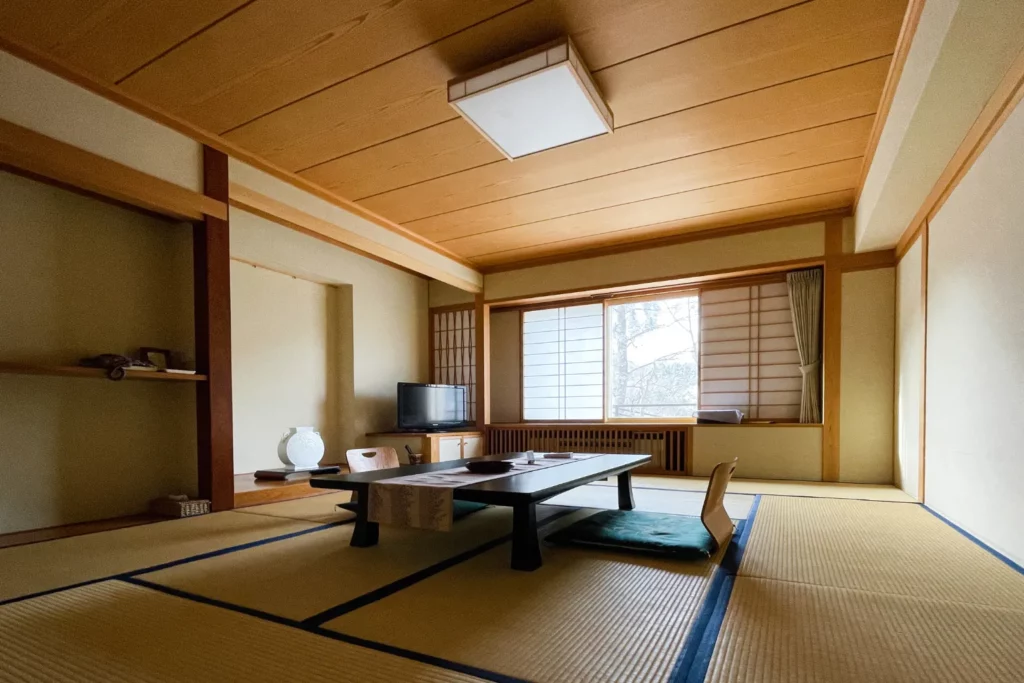
Incorporating Wabi-Sabi in your home is easy, echoing nature you should look towards incorporating neutral tones, with pieces of furniture and decor that are built to last and which resonate with you. It is important that your home feels like your own.
Using Tatami is a great way to bring a dash of Wabi Sabi into your home. The natural and neutral tones of Tatami create a welcoming and serene environment that promotes mindfulness, and as each piece of Tatami is individually made, they carry subtle variations that add a sense of uniqueness to your home.