
You sit down to meditate. Your body is technically still, but your brain has opened 14 tabs, came up with the weirdest of questions and started planning dinner.
Sound familiar?
Going straight from a busy day into seated meditation can feel like slamming the brakes while your mind is still travelling at full speed. The problem may not be that you are bad at meditation. You may simply need a transition.
Why Sequence Matters in Meditation
Stillness does not always begin with sitting still. For many people, gentle physical movement helps release some of the restlessness that becomes painfully obvious the moment they close their eyes.
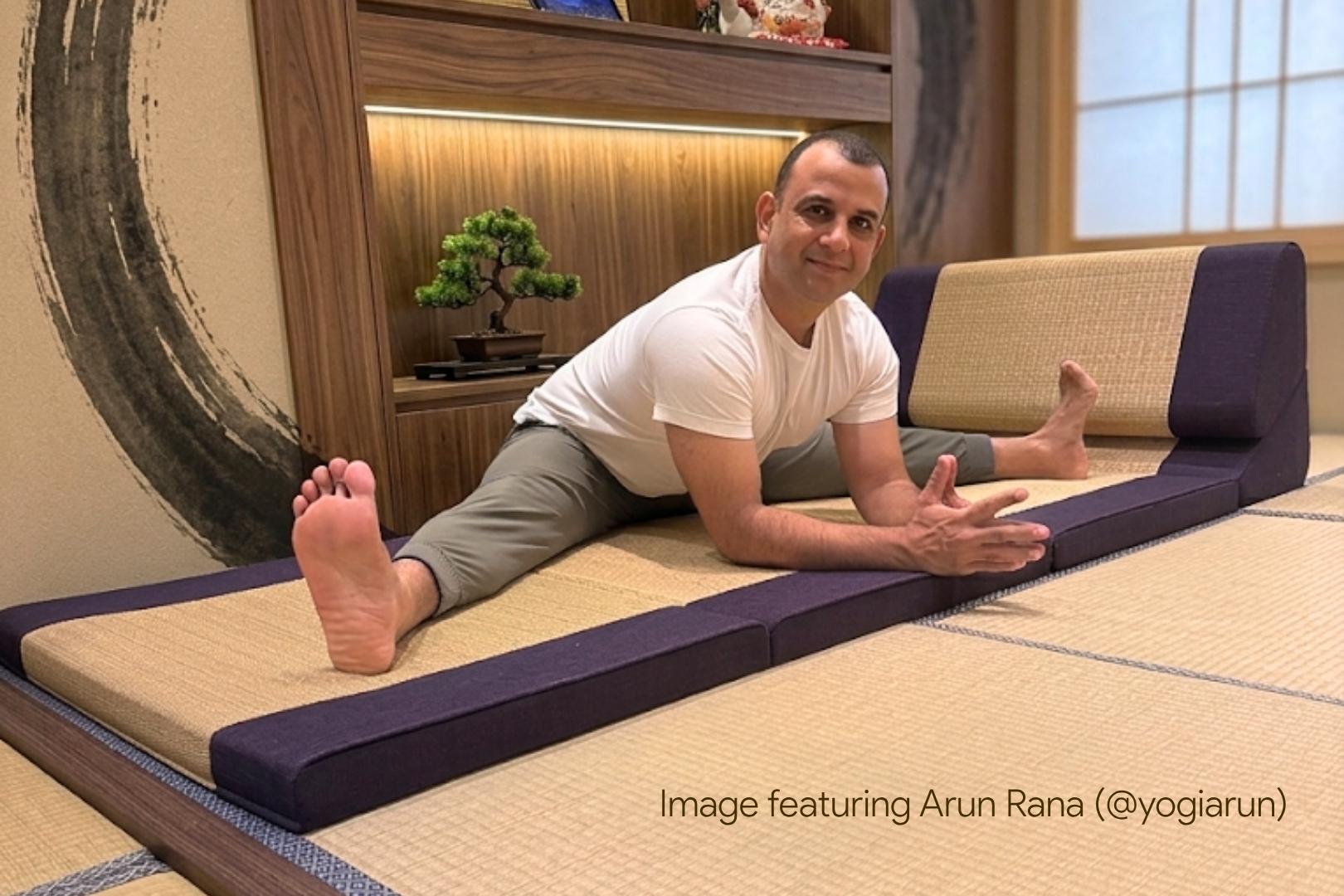
Research suggests that yoga can support stress management and may influence systems involved in the body’s stress response. That does not mean a few stretches will instantly switch off every thought. It means movement can help create a more natural runway into a mindfulness practice.
Instead of demanding calm on command, try moving from activity to ease in stages:
Gentle yoga poses
Slower stretches
Seated breathing exercises
Quiet meditation
The sequence gradually gives your attention fewer places to go.
Try Yoga Before Meditation
Begin with five to ten minutes of comfortable movement on a Tatami Mat. You do not need advanced poses or impressive flexibility. Slow shoulder rolls, cat-cow stretches, a gentle forward fold and an easy seated twist are enough.
Pay attention to physical sensations: where the mat meets your hands, how your muscles change through each stretch and how your breathing feels. This is already part of meditation. You are practising awareness before asking the mind to become quiet.
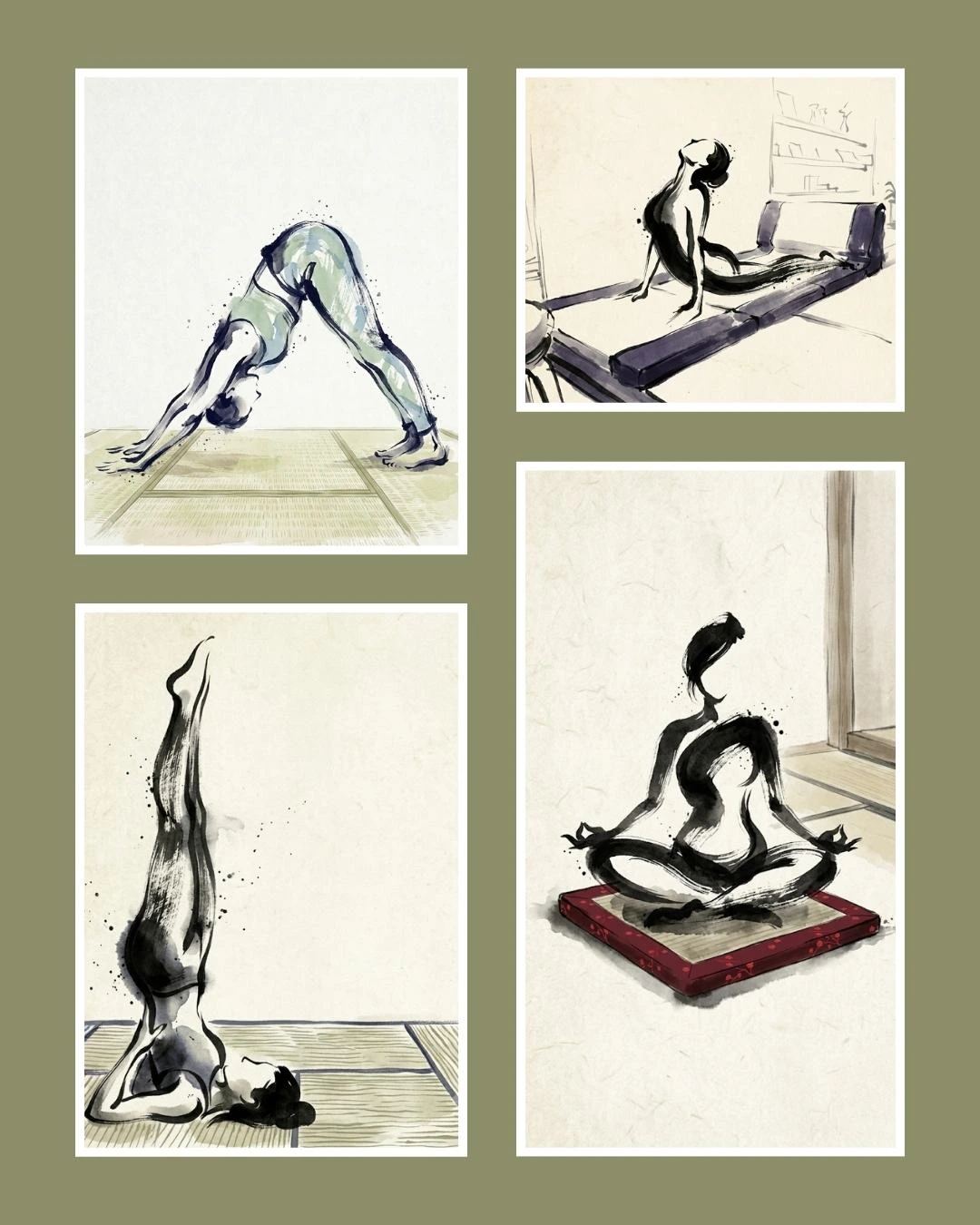
As the movements slow, let your breathing slow with them. Then settle onto a Tatami Meditation Cushion for two to five minutes of seated meditation. The cushion can elevate and support your seated posture, helping you spend less attention negotiating with uncomfortable hips, knees or ankles.
This makes meditation for beginners feel more approachable than forcing a long period of silence.
Let Igusa Rush Become Your Sensory Anchor
A Japanese Tatami Mat adds another peaceful layer to the ritual: the natural fragrance of Igusa Rush.
Research has identified the compounds behind Igusa’s distinctive grassy fragrance, although its specific effects on mood and behaviour are not yet conclusive. The useful idea here is simpler. Fragrance can become a sensory anchor.
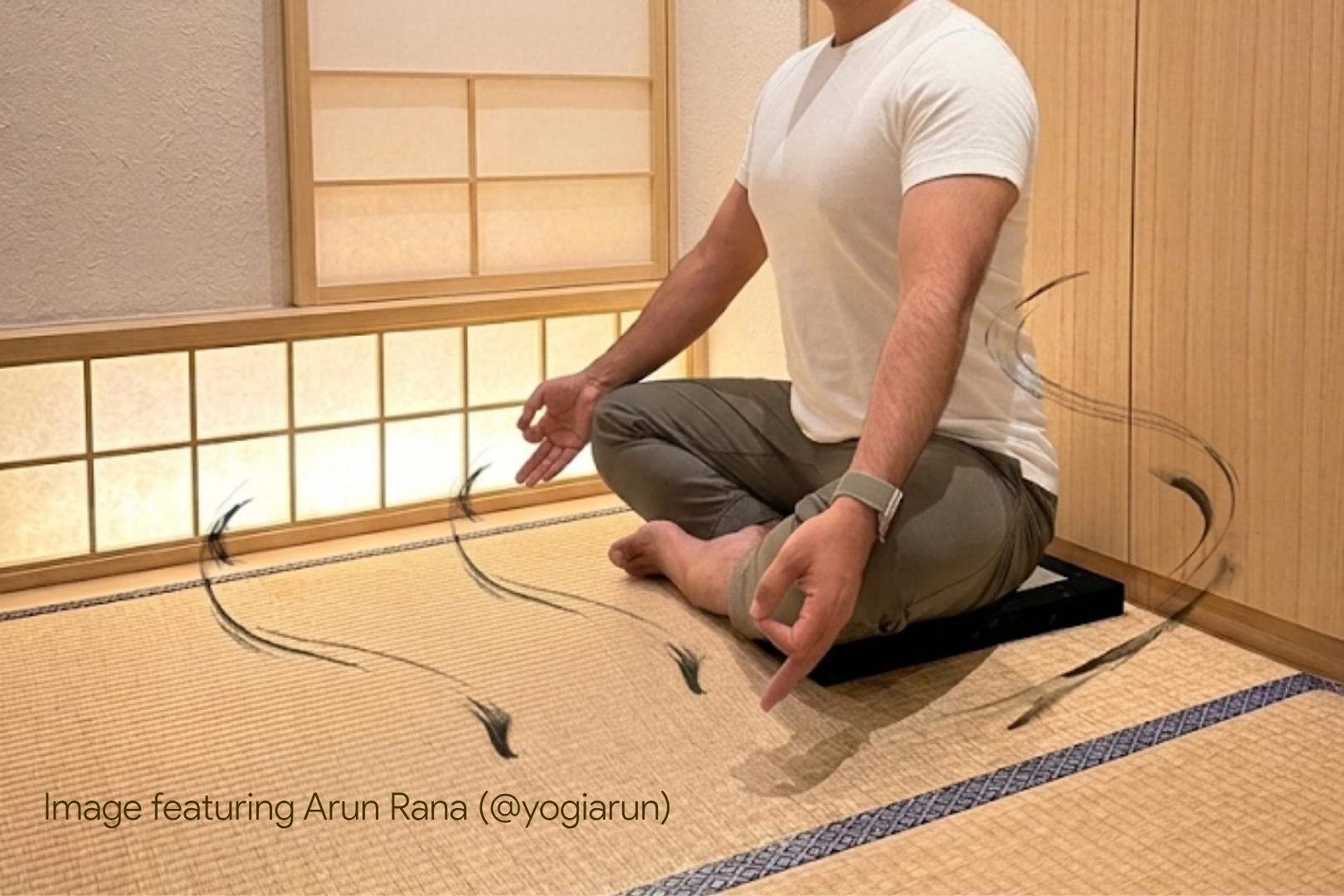
As you finish yoga and begin mindful breathing, notice the fragrance beneath you. When your thoughts wander, return to three things: the fragrance of Igusa, the feeling of your body on the cushion and the rhythm of your breath.
Over time, repeating this sequence in the same space may help signal that the busy part of the day is ending.
A Simple Movement-to-Meditation Routine
Move gently for five minutes. Stretch slowly for two. Sit on your meditation cushion and take five unforced breaths. Then continue breathing naturally, noticing whenever the mind drifts and calmly returning to the present.
No dramatic transformation required. No perfectly empty mind, either.
The easiest way into stillness is, perhaps, not to force yourself to stop. It is to arrive there gradually.
Ready to create your own wellness corner?
Read the blog here on how to create a sacred yoga and meditation space with Tatami →