Biophilic design has become more than a trend; it’s a response. As homes become more digital, busier, and filled with synthetic materials, people are actively seeking ways to reconnect with nature indoors.
At its core, biophilic home design is about using natural elements to support wellbeing. Texture, scent, temperature, light, and materials all play a role. This is where Tatami quietly fits in — not as décor, but as a foundation for calmer living.
Why Biophilic Homes Focus on Materials First
Many biophilic interiors start with plants, but the most effective ones begin with surfaces. Floors, seating, and sleep areas are where the body spends the most time, and natural materials here make the biggest difference.
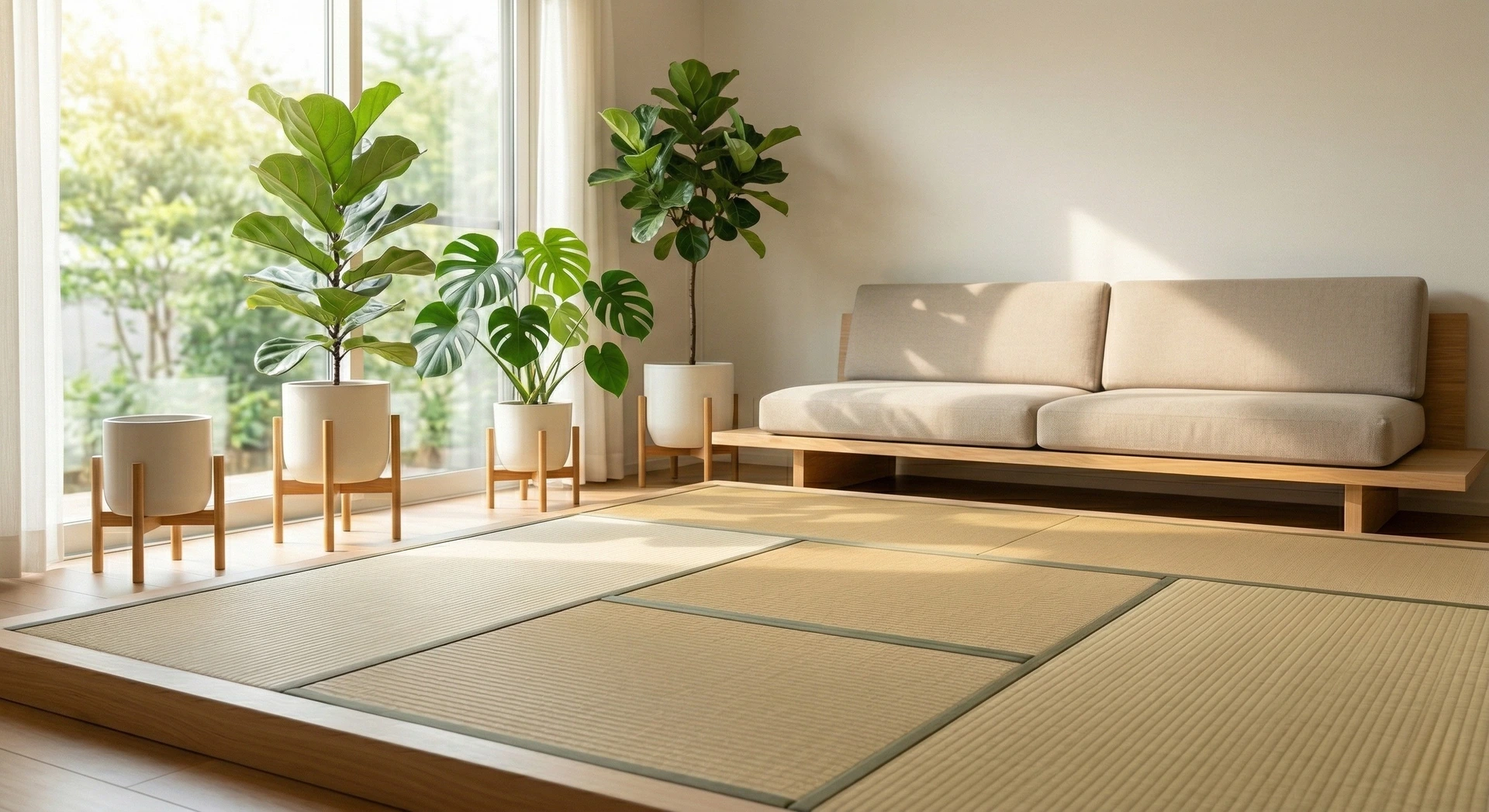
Tatami is made from woven Igusa grass, a natural fibre traditionally used in Japanese interiors. Unlike decorative accents, Tatami interacts with the body directly, through touch, scent, and temperature, making it especially relevant in biophilic homes.
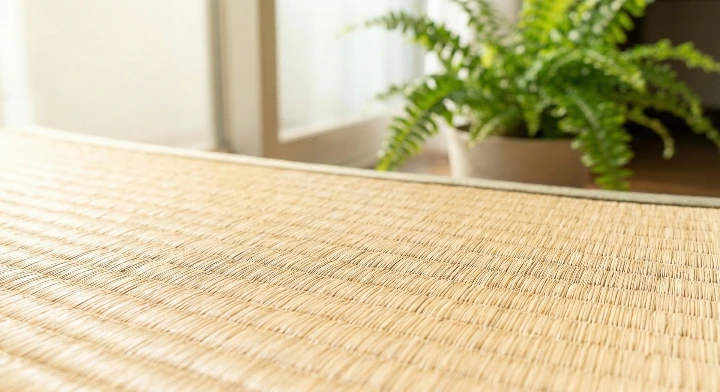
The subtle grassy fragrance of Igusa is not added or treated; it’s naturally present. The surface has a gentle texture that feels soft underfoot while remaining supportive. Tatami also helps regulate humidity, contributing to a more comfortable indoor environment across seasons.
These are quiet qualities, but together they create a sense of groundedness that many people are missing at home.
How Tatami Supports Calm, Grounded Spaces
Biophilic design isn’t about turning your home into a forest. It’s about creating spaces that feel human and balanced.
Tatami naturally encourages lower, slower ways of using space, sitting, resting, stretching, and reading, without forcing a specific lifestyle. It works just as well in modern apartments as in traditional layouts, blending into contemporary interiors without visual noise.
Because Tatami is firm yet comfortable, it supports posture while still allowing relaxation. This makes it suitable not only for sleeping, but also for daily activities that benefit from being closer to the ground.
3 Biophilic Room Ideas Using Tatami
1. A Reading and Rest Corner
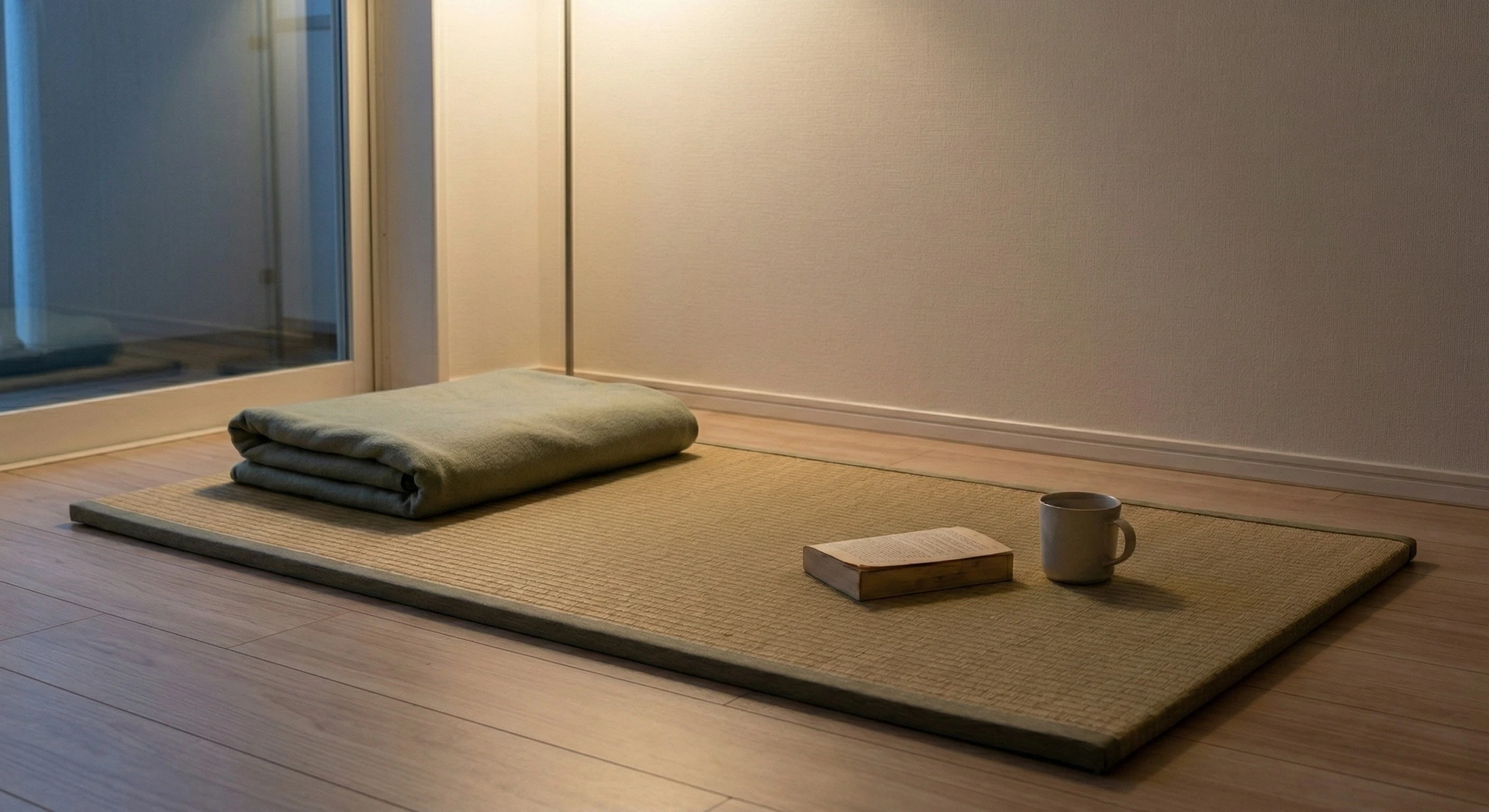
A Tatami area paired with soft lighting and plants placed on stands nearby creates a natural retreat without cluttering the floor. Add a floor cushion or back support, and this becomes a space for reading, journaling, or quiet breaks during the day.
2. A Screen-Free Wind-Down Space
Many people are intentionally creating zones without screens. Tatami Floorboards or a Tatami Mattress can define a space for evening stretching, breathing exercises, or simply lying down before bed. The natural scent and texture help signal a shift away from stimulation.
3. A Biophilic Living Room Setup
One customer transformed her living room using two 9-in-1 Sofa Beds, creating a flexible space for seating, lounging, and rest. Combined with indoor plants, natural light, and open floor space, the room feels calm, breathable, and connected to nature — without feeling styled or staged.
4. A Simple Meditation or Movement Area
Tatami provides a stable, natural surface for meditation, mobility work, or gentle movement. Being barefoot on Igusa grass encourages sensory awareness, making even short daily sessions feel more intentional.
Living with Nature, Not Just Looking at It
What makes Tatami especially suited to biophilic homes is longevity. With proper care, Tatami products are designed to be used daily and age naturally over time. The material responds well to regular contact and ventilation, reinforcing the idea that nature indoors is something you live with, not something you preserve behind glass.
Biophilic design doesn’t require a full renovation. Sometimes, it starts with one grounded surface that changes how a room feels and how you use it.
If you’re exploring ways to bring nature indoors in a more meaningful, lasting way, Tatami offers a quiet place to begin.