Tatami Mats, a staple in traditional Japanese homes, have long intrigued those seeking a different kind of flooring or sleeping surface. But when it comes to comfort, are these firm, natural mats really for you?
What Exactly Are Tatami Mats?
Before we get into comfort, it's worth understanding what Tatami Mats actually are. Traditionally made from handwoven Rush grass around a rice straw core, modern versions often use wood fiber or even polystyrene. They have a distinct grassy aroma and a firm, considerably smooth surface. They're more than just flooring; they're an integral part of Japanese culture, often used for sleeping on with a Shikibuton Futon.
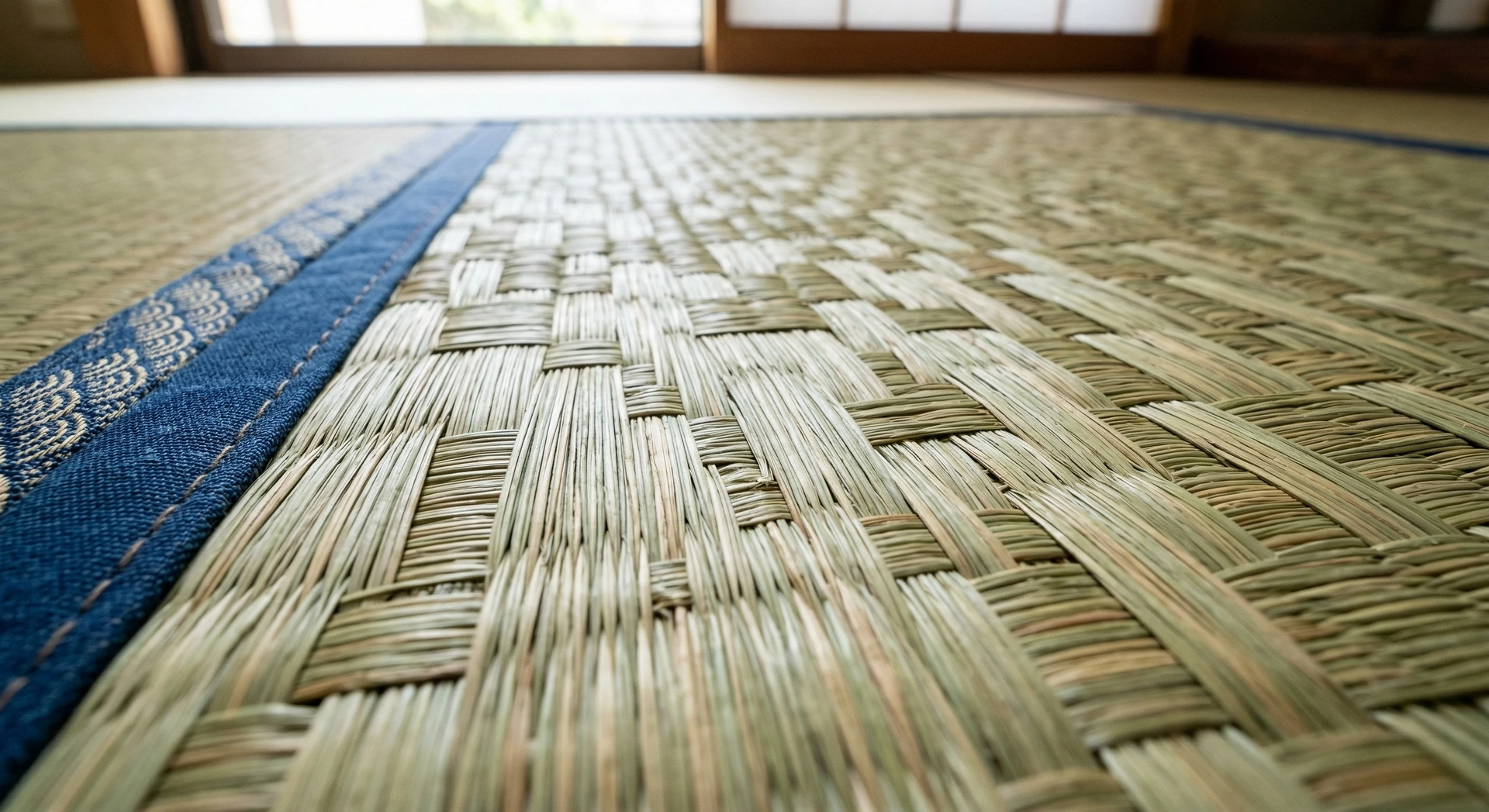
The Firm Truth About Tatami Comfort
So, are they comfortable? The short answer is: it depends on your preferences and what you're used to.
- A Firm Foundation: Most people, especially those accustomed to plush Western mattresses, describe Tatami Mats as very firm, even "downright hard". This can be a significant adjustment.
- Back Support Benefits: For many, this firmness is a huge plus. Tatami Mats are often praised for providing excellent back support. If you're a back sleeper or suffer from back pain, a rigid surface can help align your spine and may improve sleep quality.
- An Adjustment Period: It's important to know that your body will likely need time to adapt to sleeping or sitting on a Tatami Mat. Don't expect instant comfort if you're used to a softer surface.
- Not for Everyone: Side and stomach sleepers, in particular, might find Tatami Mats too firm, which could lead to discomfort.
To Help You Decide, Here's a Quick Rundown
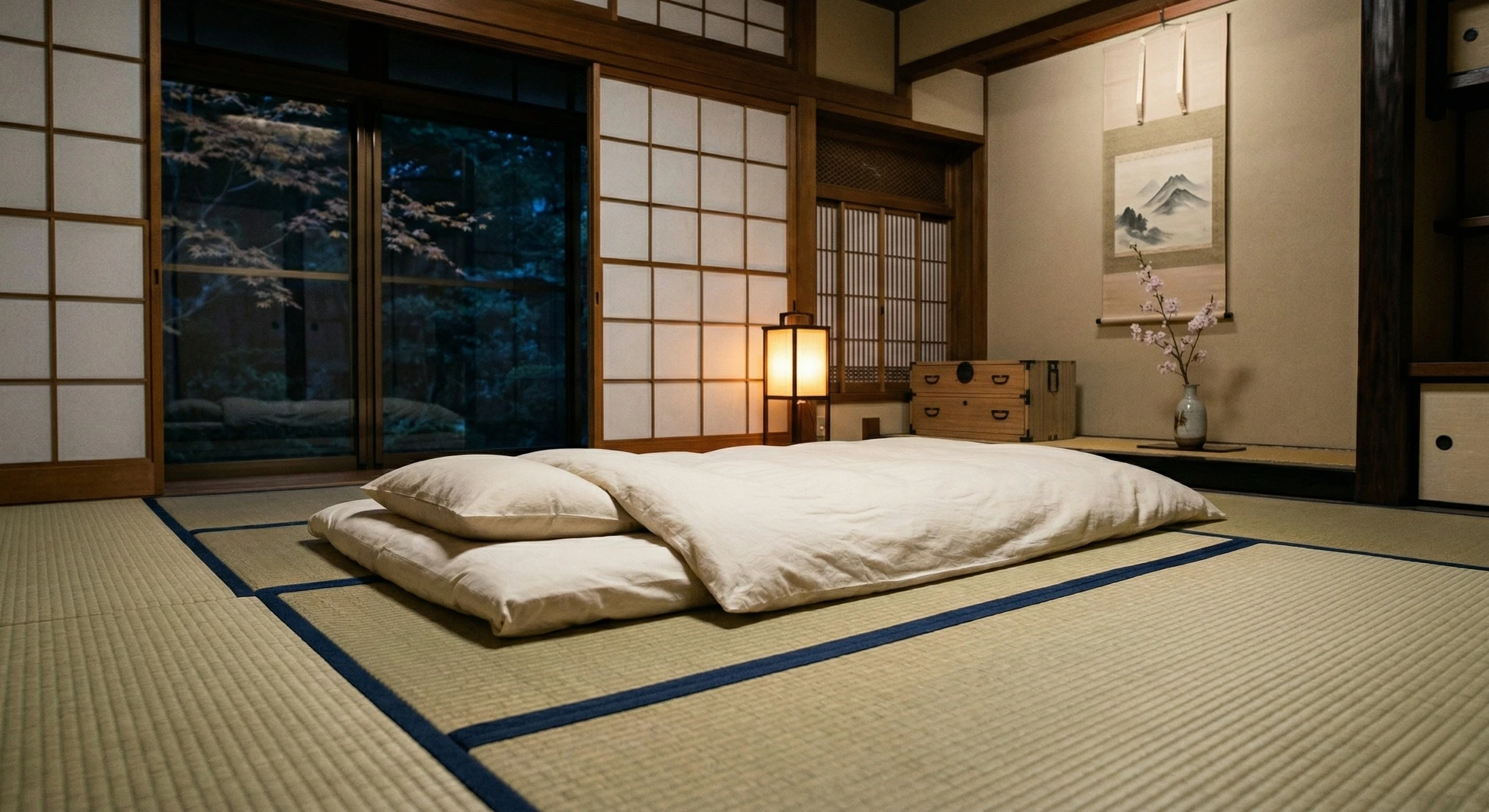
Pros:
- Excellent back support, especially for back sleepers
- Made from natural, low VOC (volatile organic compound) materials.
- Simple and durable design (only with proper usage and maintenance).
- Easy to clean.
- Multifunctional. Can be used for sleeping, sitting, or creating a versatile living space.
Cons:
- May be too firm for some, especially side and stomach sleepers.
- Requires an adjustment period for the body to adapt.
- Regular maintenance (ventilation and cleaning) is crucial to prevent mold and mites.
- Can be difficult for some people, especially the elderly or those with health issues, to get in and out of a low-lying Tatami Bed. Personal experiences vary.
When you look at personal accounts, you find a range of experiences. Some people report a dramatic improvement in health and a much improved sleep experience after switching to Tatami. Others found that their pillows were uncomfortable when sleeping on Tatami Mats, suggesting that the entire sleep setup plays a role.
Ultimately, the comfort of Tatami Mats is subjective.
If you're open to a firm sleeping or sitting surface and are looking for potential back support benefits, a Tatami Mat could be a worthwhile consideration. However, if you prefer a softer feel, it might be an uncomfortable transition. It's perhaps best to approach Tatami Mats with an open mind, understanding that they offer a unique experience that isn't for everyone, but for many, it truly transforms their sleep and living space.