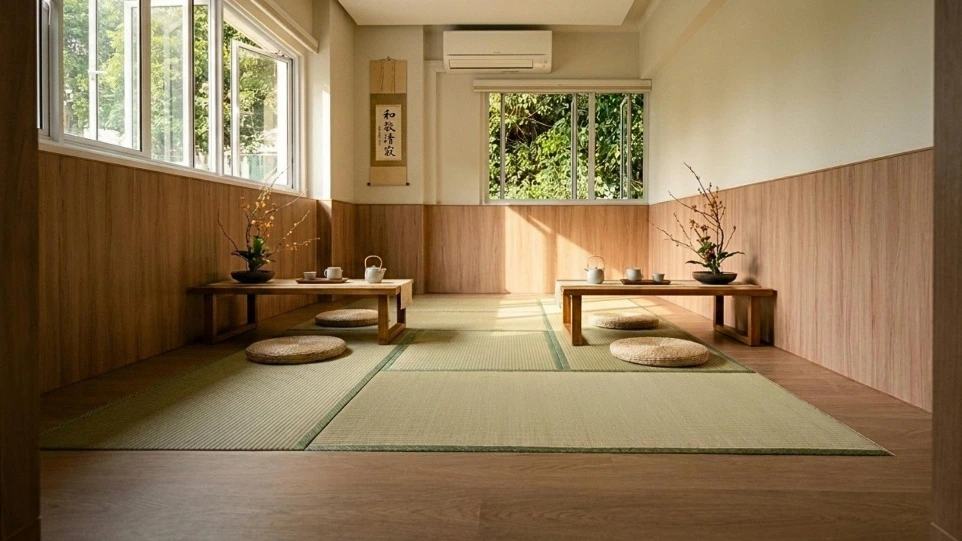
When you step into a traditional Japanese-style room, or washitsu, the first thing you notice is the floor. It’s covered with thick, woven mats that give off a subtle grassy fragrance. But why, in a country obsessed with modern, high-tech living, have these simple mats endured for centuries? Why do Japanese homes still have Tatami Mats?
The short answer is that Tatami Mats solve several uniquely Japanese problems all at once. They're a brilliant blend of engineering, culture, and pure comfort. It’s not just a traditional floor; it’s a whole system for living.
The Deep Cultural Roots of Tatami Flooring
To really understand the "why", you have to go back in time. Tatami Mats are deeply embedded in Japan’s history, and they weren't always for everyone.
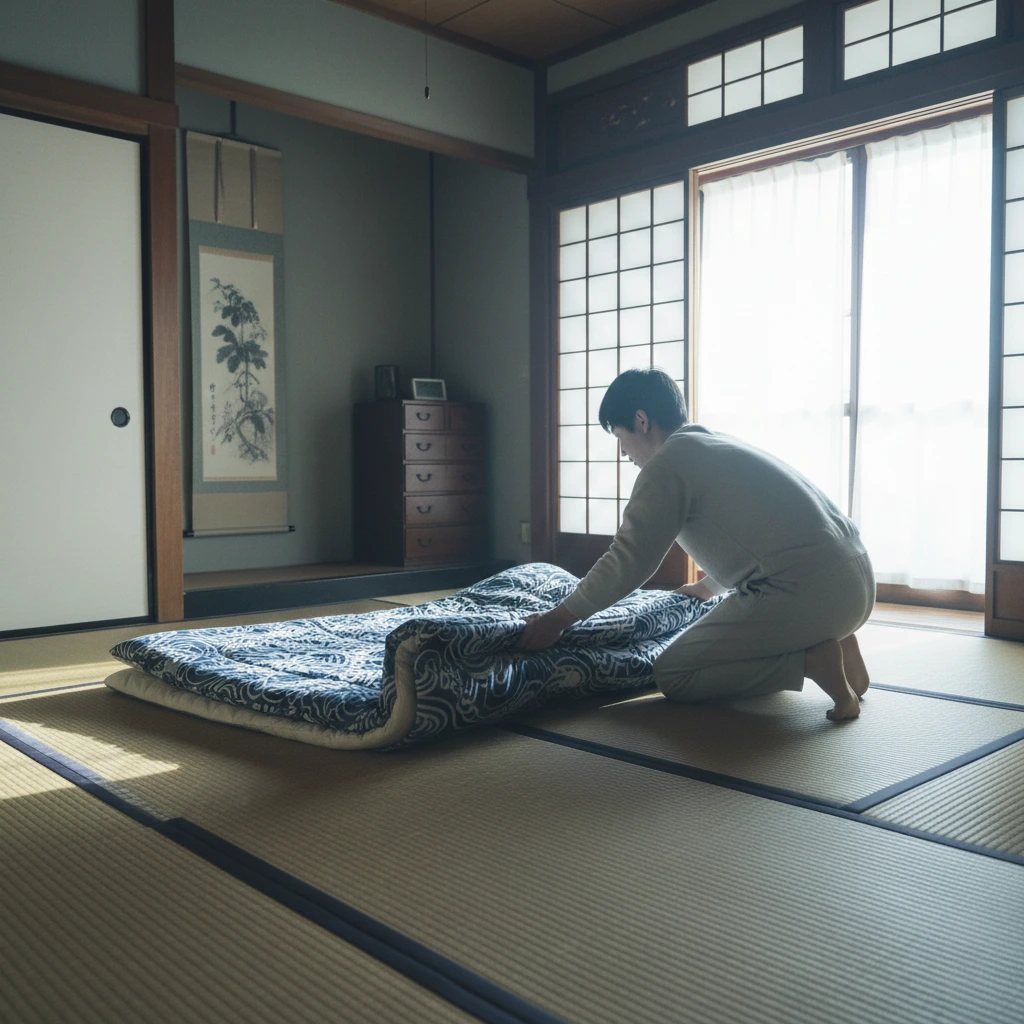
Back in the Heian period (around the 8th to 12th centuries), Tatami was actually a luxury item, reserved for the nobility. They weren't used to cover an entire room, but were instead placed on wooden floors as plush, portable flooring for sitting or sleeping.
The color and pattern of the border, or heri, even signaled a person's social status. It wasn't until the Muromachi and later the Edo period that they became common enough to cover an entire room, finally moving from a symbol of status to a practical, everyday flooring material for samurai, merchants, and commoners alike.
This history is why Tatami became the foundational element of Japanese architecture. Even today, the size of a room in Japan is still commonly measured not in square feet or meters, but by how many Tatami Mats—called jō—fit inside. Imagine measuring a room by "six carpets" in the West. It just wouldn't make sense! That alone shows you how integral Tatami is to the very concept of a home space.
A Climate Solution
The single most practical reason tatami mats have stuck around, perhaps, is Japan’s climate. If you’ve ever experienced a Japanese summer, you know the heat is one thing, but the humidity is truly brutal. This is where the core of the mat—the doko—becomes a brilliant piece of natural engineering.
Natural Air Conditioning and Insulation
Traditional Tatami is made from a core of compressed rice straw, covered by a surface of handwoven Rush grass called Igusa. This natural, spongy, porous construction is highly insulating. Think of it as a natural air conditioner and heater crafted into one.
Read more on the temperature regulation qualities of Tatami →
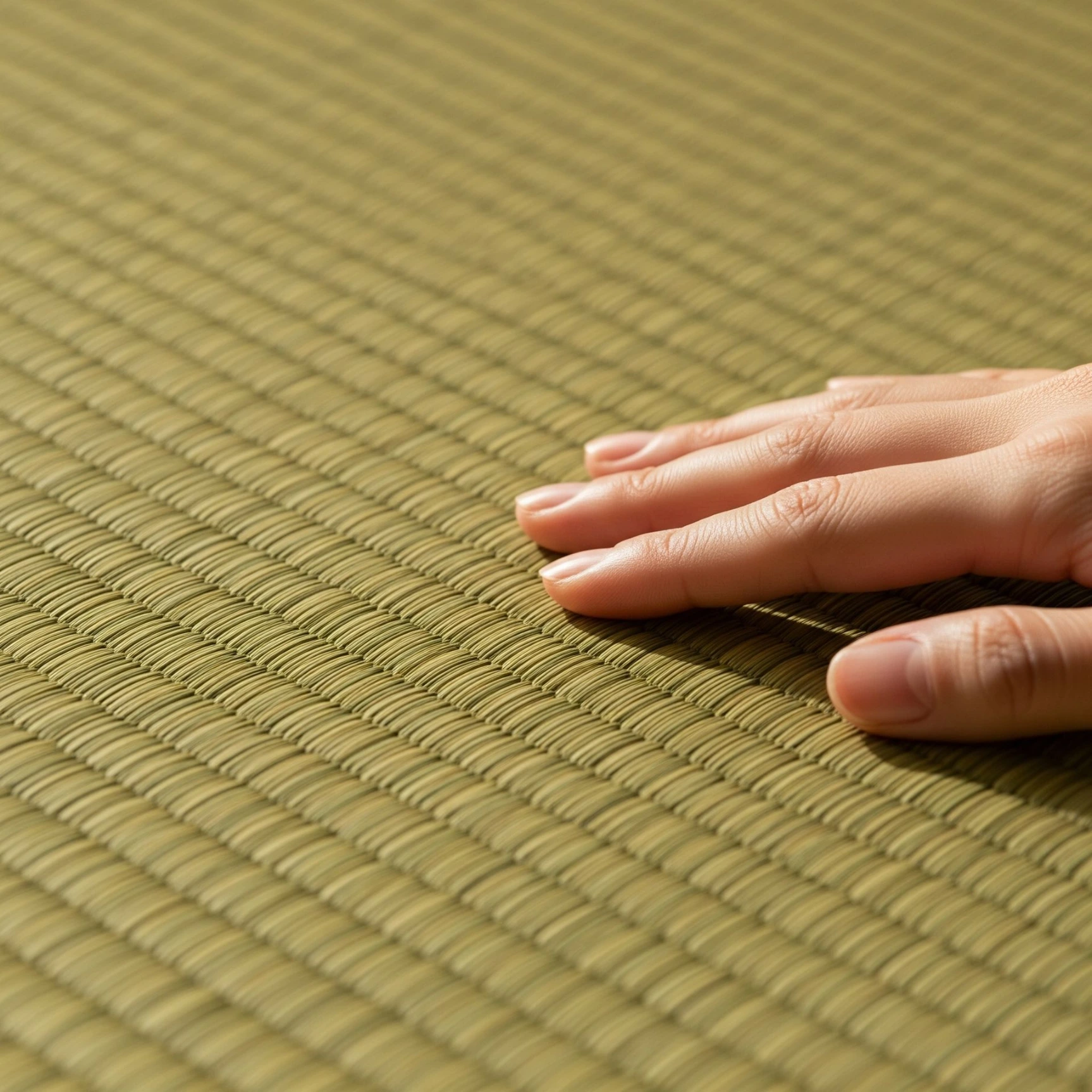
In the humid summer, the Igusa fibers absorb excess moisture from the air, helping to relieve that heavy, damp feeling indoors. It literally acts as a natural dehumidifier.
Then, when winter rolls around and the air gets dry, the Tatami releases that stored moisture back into the room, gently acting as a humidifier. And because the material is highly insulating, it’s cool to the touch in summer and retains heat better than wooden flooring in winter, saving you a bit on electricity costs.
That's a pretty smart, eco-friendly system for managing a hot, humid, and then freezing-cold environment.
Sound Absorption and Comfort
Another subtle advantage is sound.
Traditional Japanese homes are often made of wood, and in dense housing complexes, noise can be a big issue. The thickness and sponginess of Tatami naturally absorb sound and footsteps, which is a big relief for neighbors.
This quiet feature, combined with the firm yet slightly cushioned surface, is why Tatami is also the floor of choice in dojos for martial arts like judo and karate. Plus, it just feels better on the feet than cold wood or stone, especially since you always walk on it barefoot.
The Versatility of a Tatami Room
In modern Japanese homes, while you might see more Western-style rooms, most will still dedicate at least one room to Tatami. This is the washitsu, or traditional room, and its key benefit is its incredible versatility.
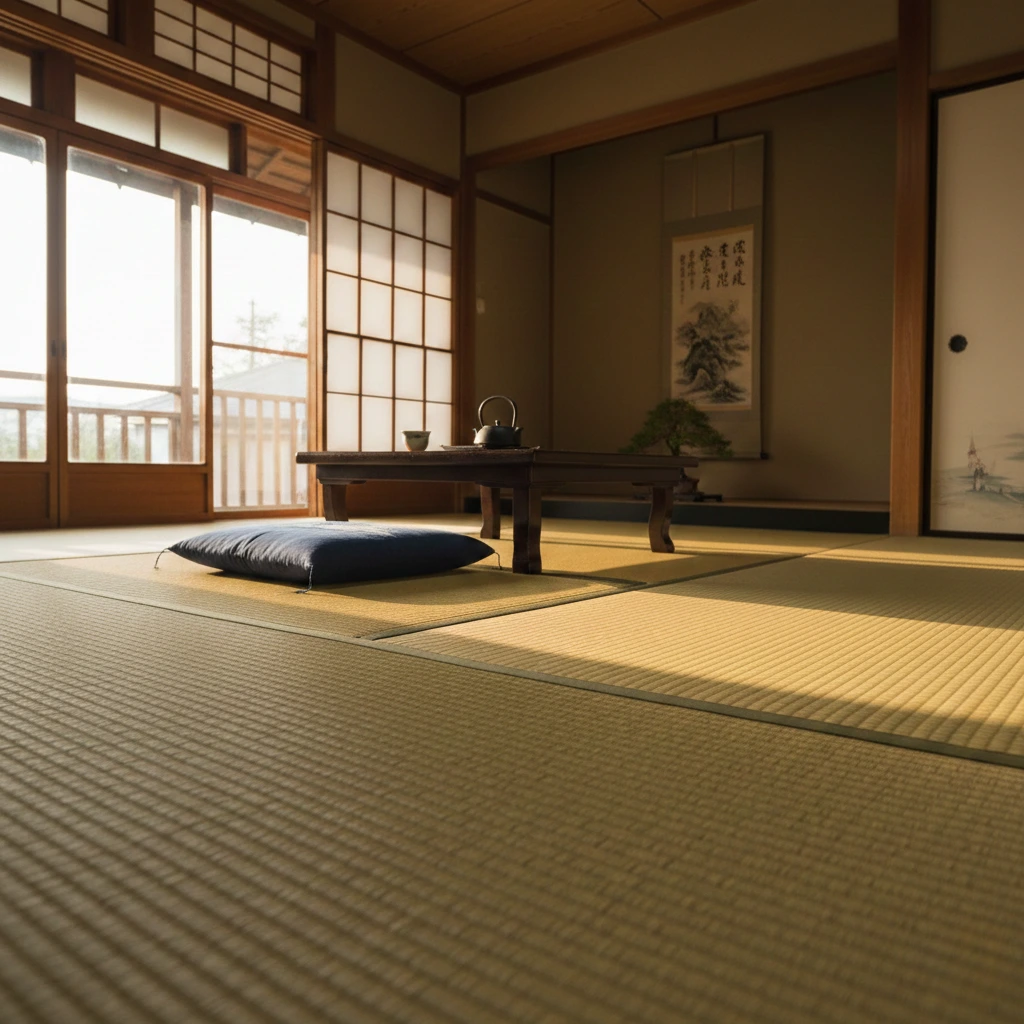
Because the entire floor is already a comfortable, clean surface, a single washitsu can transform throughout the day.
It’s used for tea ceremonies and flower arranging (ikebana), but it’s also the go-to multipurpose space. For dinner, you bring in a low table and floor cushions. Later that night, the table is cleared, and you unfold a Shikibuton mattress directly on the Tatami for sleeping—a style called futon zukuri.
In the morning, you fold up the futon and store it away, and the room is instantly back to a clear, open space for activities or guests. You don't need dedicated bedrooms and dining rooms; the Tatami floor lets one room handle all of those roles efficiently.
A Note on Tatami Etiquette
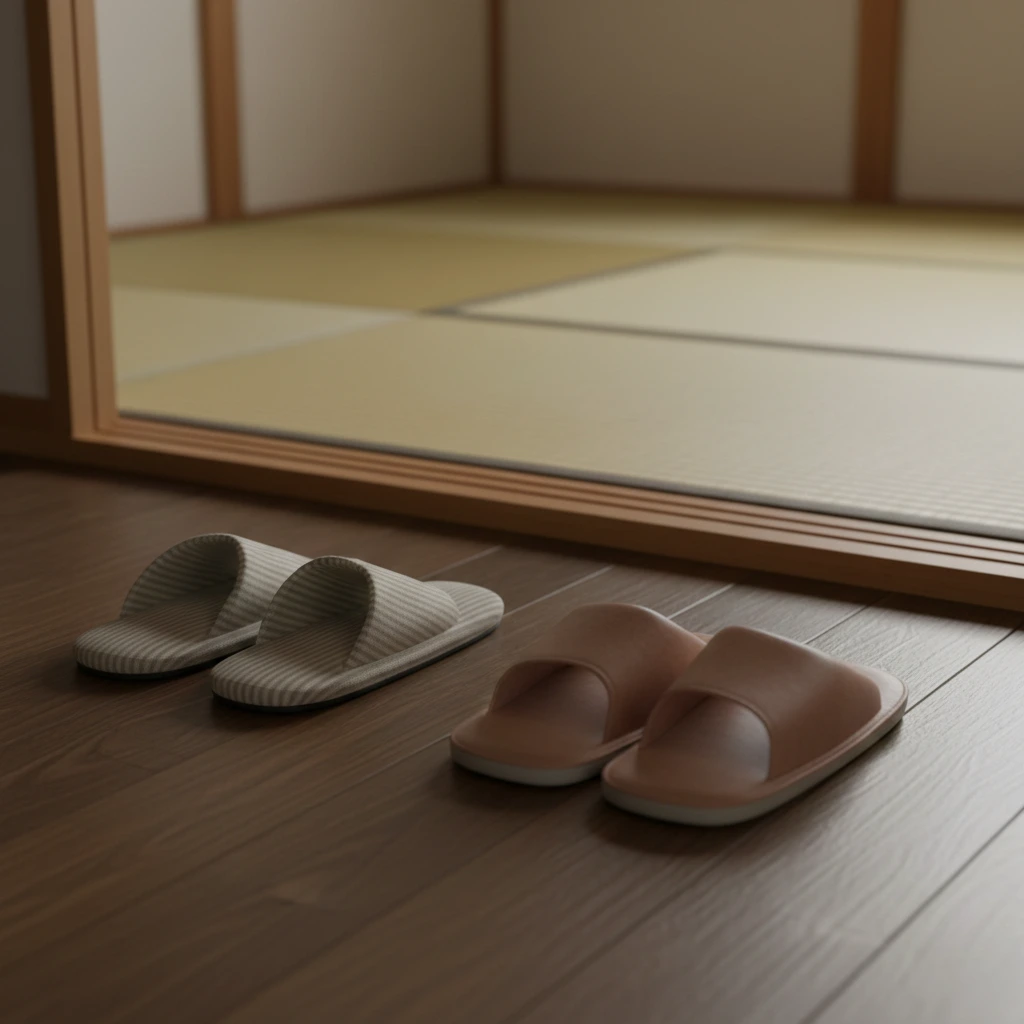
Tatami’s cultural role means there's a specific etiquette you should know. The golden rule is that you never wear shoes, or even slippers, onto a Tatami floor.
It is a clean, respected surface reserved only for bare feet or socks. Stepping on the cloth border, the heri, is sometimes considered poor manners. Why? Because historically, the pattern of the border indicated the nobility’s rank, and treading on it was seen as stepping on the owner's status.
Ultimately, the reason Tatami Mats are still used in Japanese homes is that they are so much more than flooring.
They are cultural touchstones that perfectly address Japan’s climate, maximise small living spaces, and offer a level of comfort and aesthetic that just feels right.