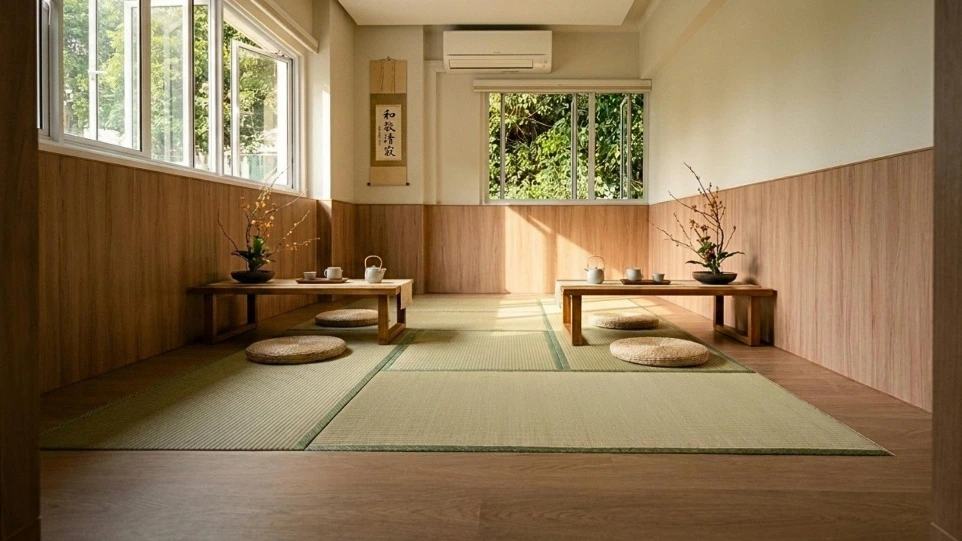
Japanese sleep culture offers us two beautiful options: the softer embrace of a Shikibuton or the firm foundation of a Tatami base. Both are authentically Japanese, both promote wellness, but they serve different needs on your journey to better sleep.
Understanding when to choose which isn't about right or wrong. It's about meeting your body where it is today while honoring the wisdom of centuries-old sleep traditions.
The Shikibuton Path: Your Gentle Introduction to Floor Living
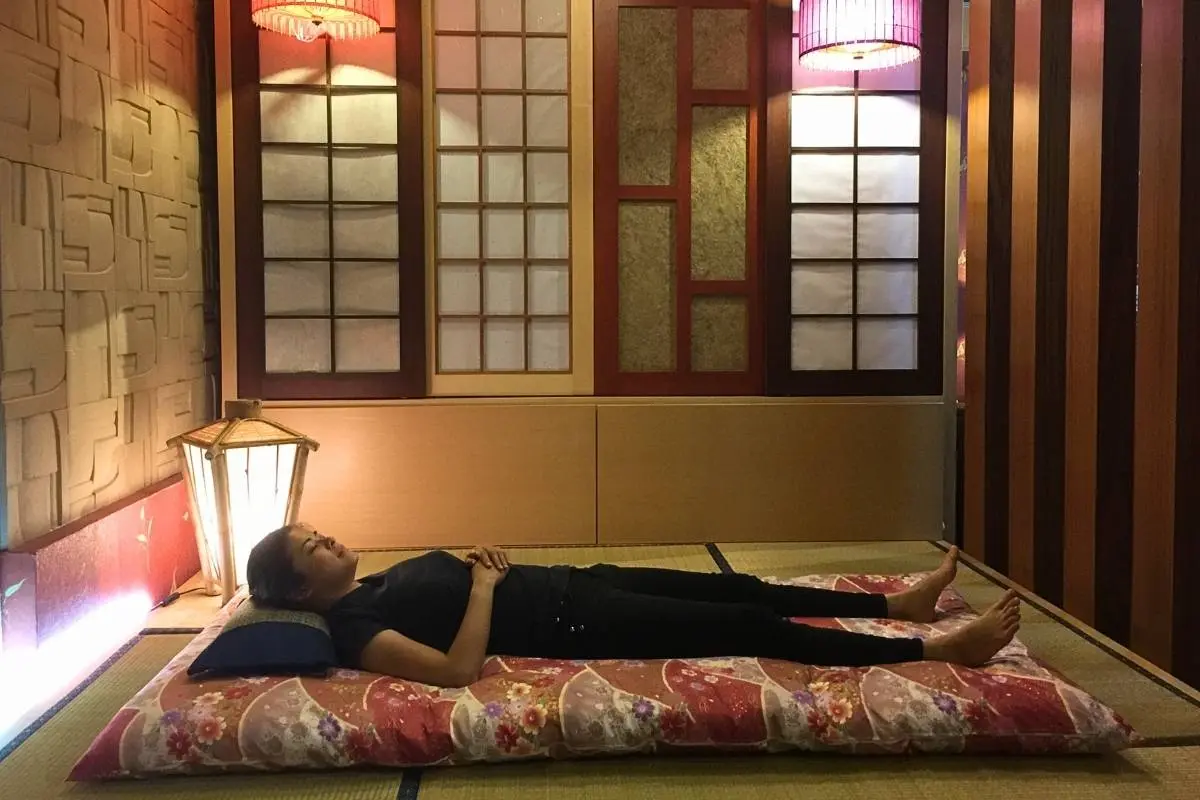
The Japanese Shikibuton is a cotton mattress designed for floor sleeping, quite different from the thick Western convertible sofas often mislabeled as "Futons". Think of it as your comfortable bridge between bed sleeping and traditional floor rest.
When can Shikibuton be your best friend?
- First-time floor sleepers: Transitioning from a raised bed can be challenging; Shikibuton provides familiar cushioning
- Side sleepers: The gentle padding helps pressure points while maintaining firmness
- Joint sensitivity: Offers support without the shock of immediate floor contact
- Gradual adaptation: Perfect for slowly training your body for firmer sleep surfaces
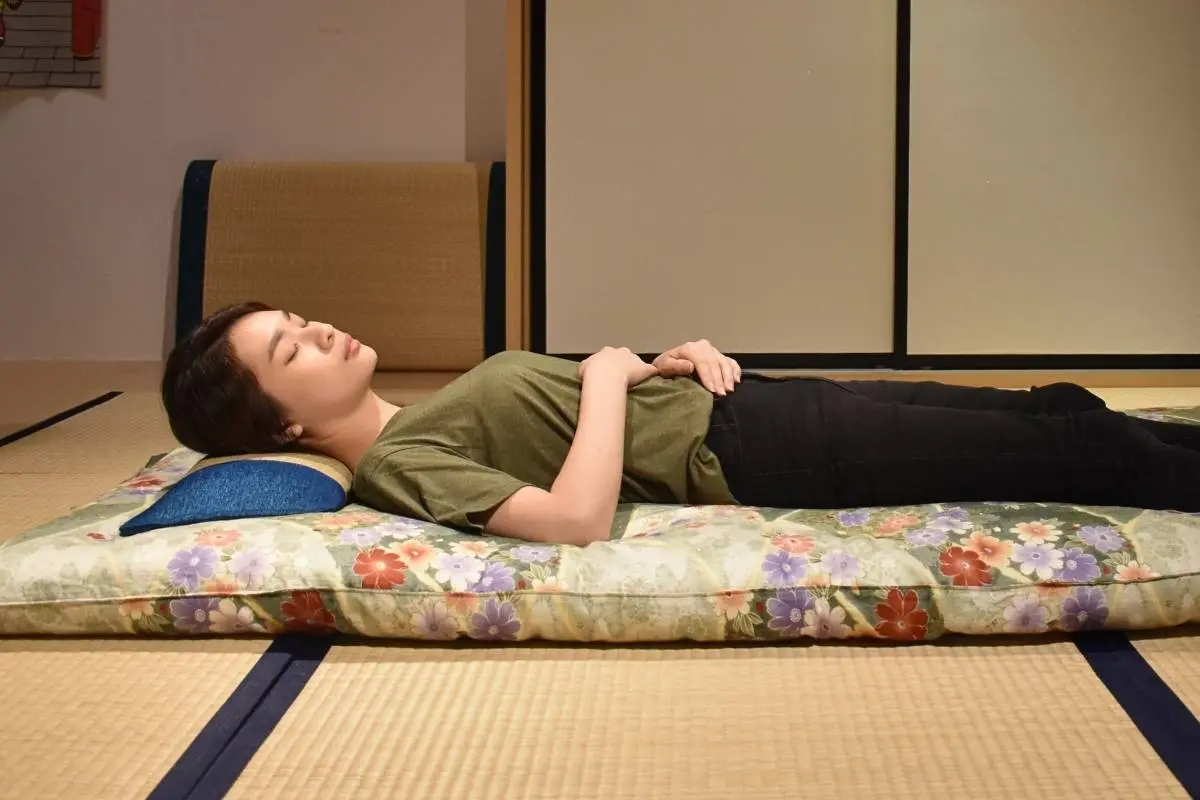
Research shows that medium-firm surfaces (firmness levels 6-7) provide optimal spinal alignment for most sleepers, making Shikibutons an ideal middle ground.
The Tatami Base Revolution: Maximum Support, Maximum Benefits
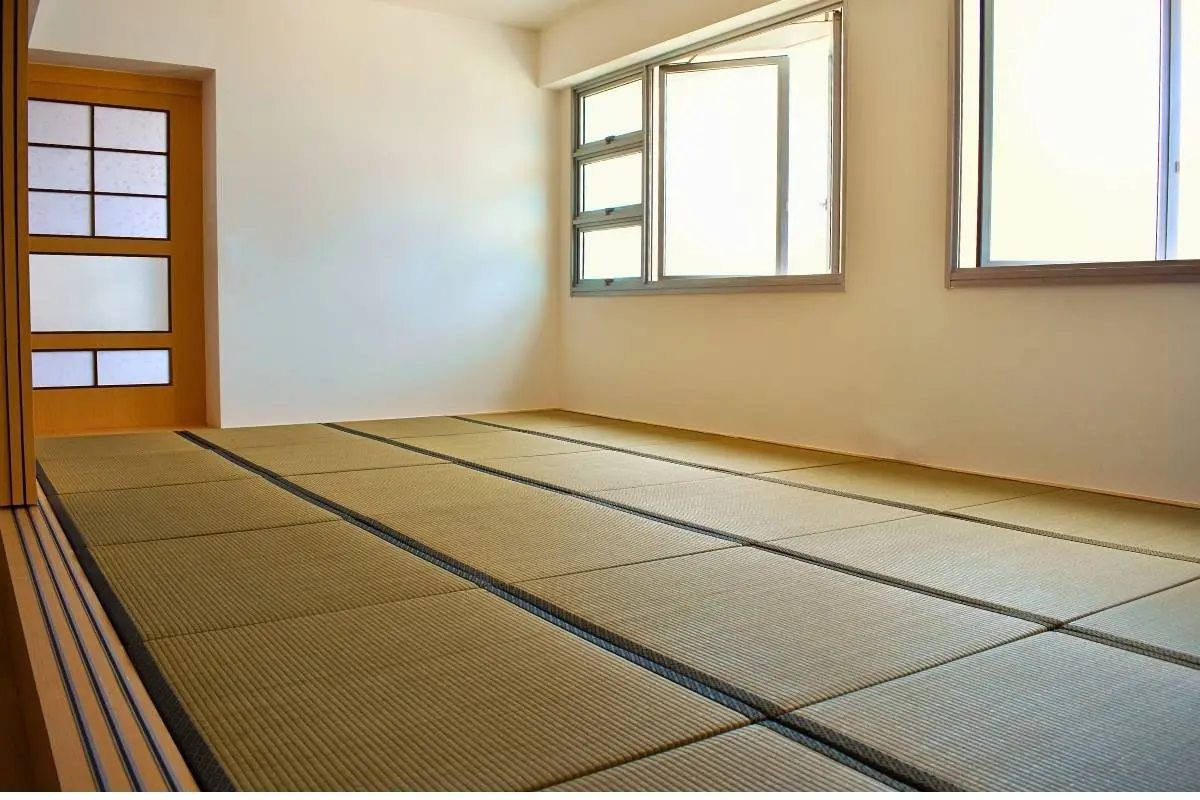
Tatami bases represent the pinnacle of Japanese sleep philosophy, firm, natural, and therapeutically beneficial. Made from handwoven Igusa Rush, they create the ultimate foundation for restorative sleep.
When can Tatami be your best friend?
- Back pain sufferers: The firm, even support helps maintain proper spinal alignment
- Hot sleepers: Natural materials provide superior breathability and temperature regulation
- Wellness seekers: Experience the full aromatherapy benefits of natural rush grass
- Experienced floor sleepers: Ready for the traditional, most beneficial Japanese sleep experience

Studies indicate that sleeping on firm surfaces can prevent back pain from worsening and may provide relief for chronic sufferers. Tatami's consistent firmness eliminates pressure points that create spinal misalignment.
Your Personal Sleep Evolution Journey
Here's the beautiful truth: you don't have to choose forever. Many Japanese sleep practitioners follow this natural progression.
Phase 1: Comfort Transition (Weeks 1-4)
Start with a Shikibuton mattress on Tatami base for the perfect balance of support and cushioning.
Phase 2: Adaptation (Months 2-3)
Gradually reduce Shikibuton thickness or try sleeping directly on Tatami for short naps.
Phase 3: Mastery (Months 4+)
Full Tatami base sleeping with just a thin sheet or traditional Japanese bedding.
Listen to Your Body's Wisdom
Your comfort journey is uniquely yours.
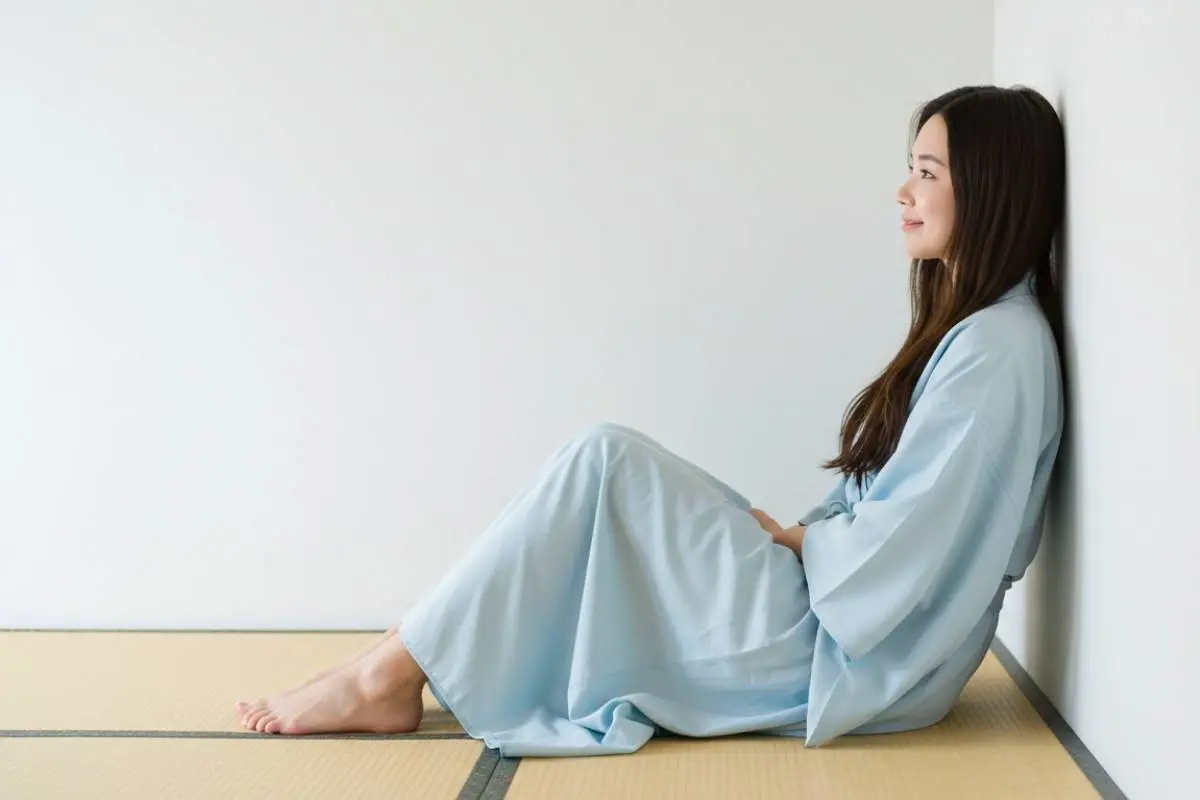
Signs You're Ready for Tatami Base:
- Waking up pain-free on your current setup
- Feeling too warm during sleep
- Craving more minimalist living
- Experiencing better energy on firmer surfaces
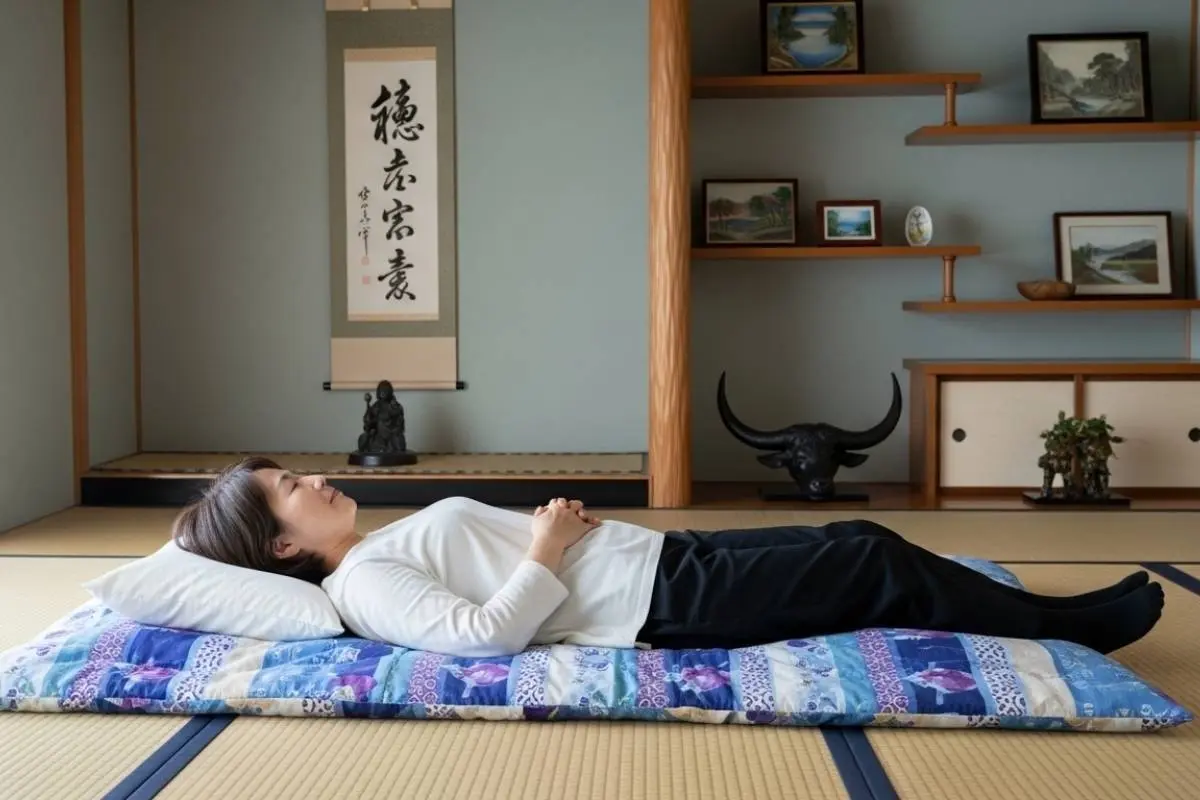
Signs to Stay with Shikibuton (For Now):
- Joint discomfort on hard surfaces
- Sleep disruption from firmness
- Pressure point sensitivity
- Need for gradual adaptation
The Global Sleep Revolution
Traditional practices are experiencing a renaissance as people seek natural wellness solutions. Japanese floor sleeping addresses modern challenges: space efficiency, environmental consciousness, and the need for active wellness practices in sedentary lifestyles.
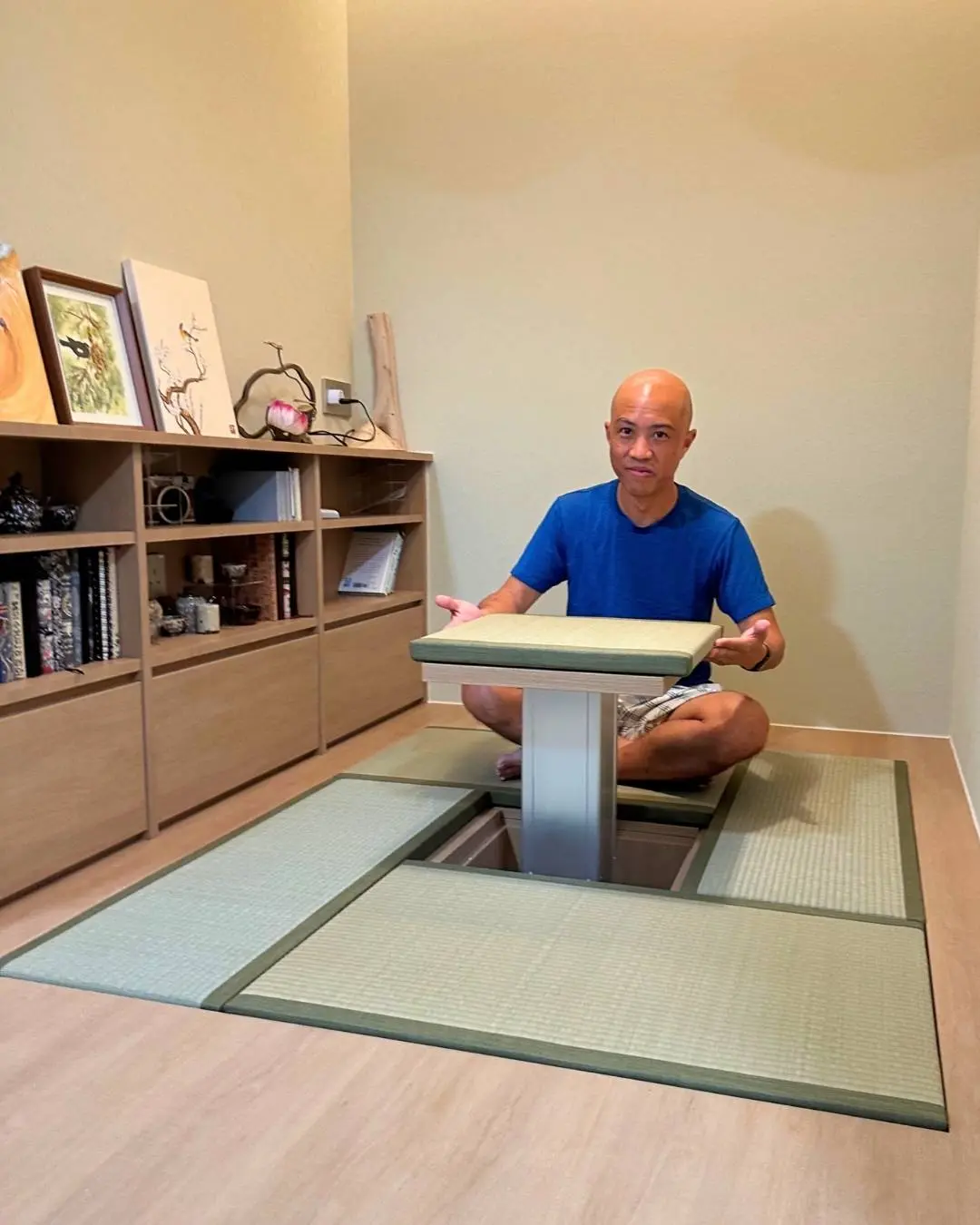
Image by Robert Migares
Whether you choose Shikibuton comfort or Tatami base support, you're embracing a sleep system that has kept Japan healthy for centuries, a country with one of the world's highest life expectancies.
Your Perfect Sleep Awaits
The question isn't whether Shikibuton or Tatami base is better. It's which serves your current needs while supporting your wellness journey. Start where you're comfortable, honor your body's signals, and remember that the best sleep system is the one that helps you wake up refreshed, pain-free, and ready to embrace each day.
Your path to authentic Japanese rest begins with understanding your comfort level today. Where will your sleep journey take you?