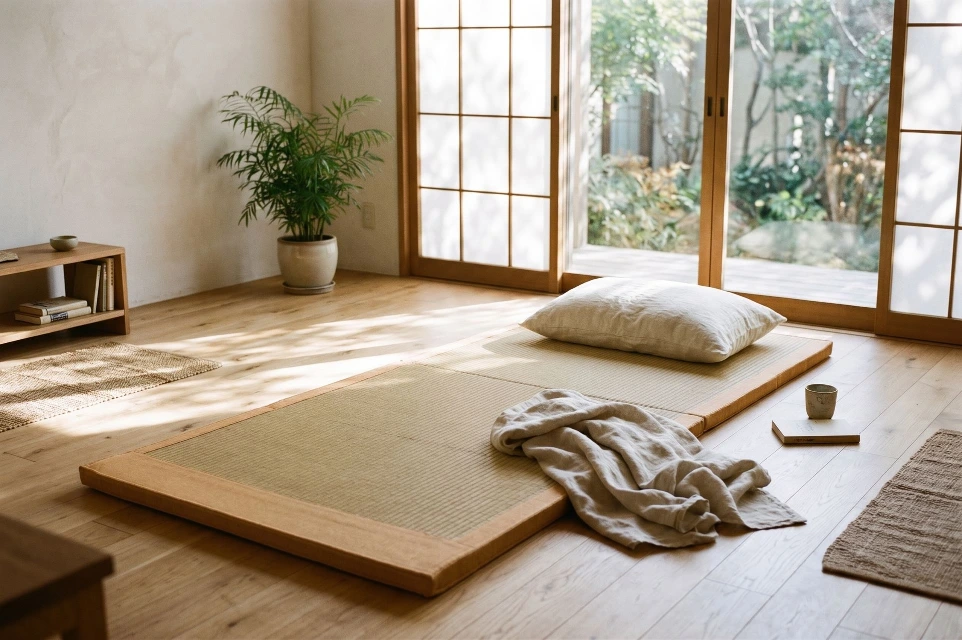
Some people want a floor that feels solid beneath their feet. Others prefer somewhere with a little cushioning, where they can sit, stretch out or simply unwind after a long day.
Just like choosing a mattress, finding the right Tatami Mat density comes down to personal preference and how you intend to use it. At Tatami Shop, our Natural Tatami Mats come in three densities: Hard, Medium-Hard and Medium. Here's how to find the one that feels right for your lifestyle.
Hard Density: For a Traditional, Solid Feel
If you love the traditional firmness of Japanese Tatami, Hard density is the one to consider.
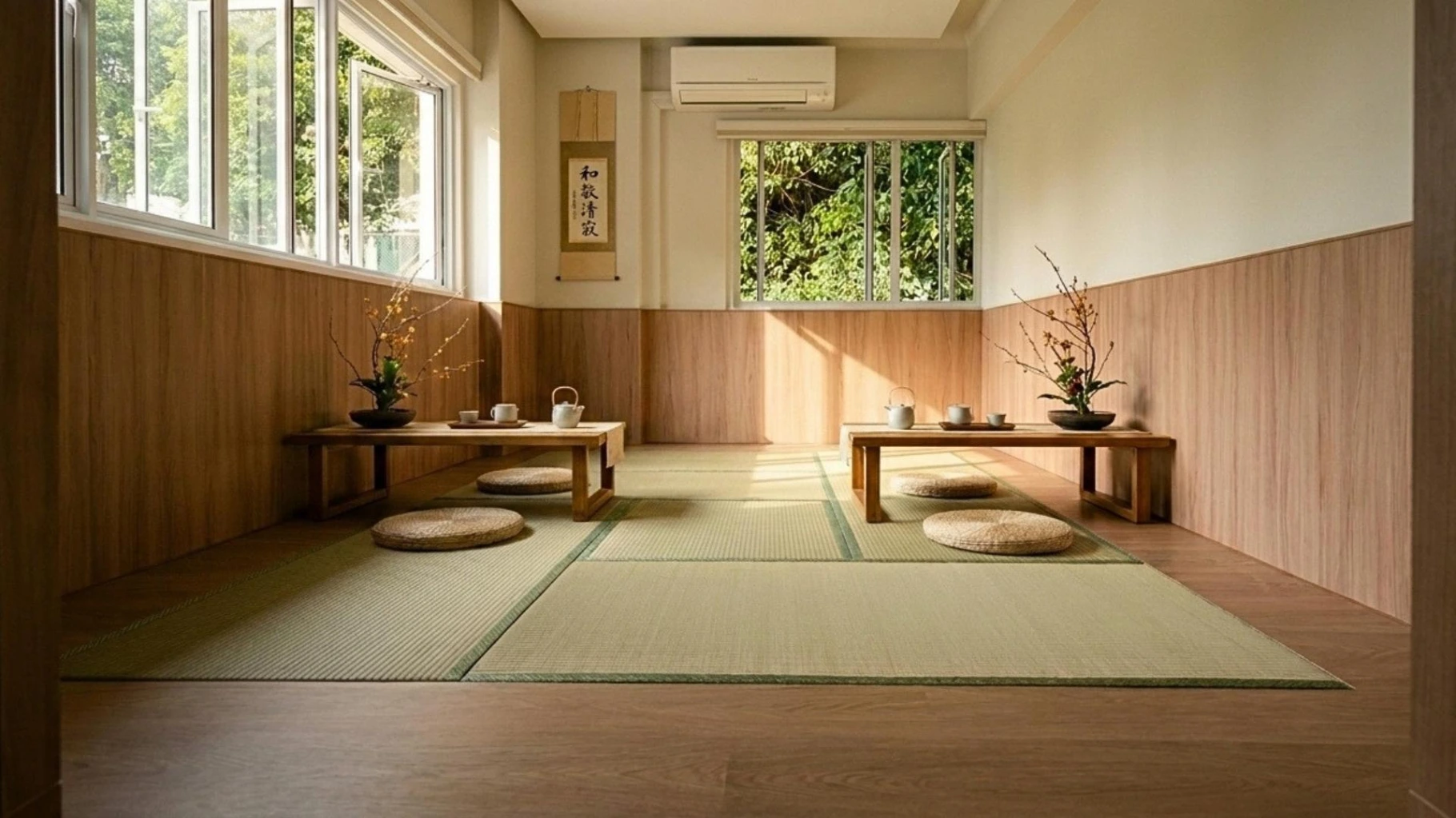
Recessed Tatami Tea Room for a Tea Shop, a Project with business owner Annette →
Unlike the other options, a Hard Tatami Mat has virtually no give. Its solid, uncompromising feel makes it suitable for dedicated Tatami rooms, traditional Japanese-style interiors and feature flooring.
It's particularly worth considering for spaces inspired by traditional Japanese tea rooms, where Tatami flooring forms an integral part of the setting. If you're looking to recreate that classic, firm feel of traditional Tatami, this is the density to explore.
For spaces with heavy daily foot traffic, the material matters too. While Hard density offers a solid feel, synthetic Tatami Mats are generally more suitable for demanding commercial environments than natural Igusa.
Best for
Traditional Tatami rooms, Japanese-style interiors, tea rooms and people who prefer an exceptionally firm flooring surface.
Medium-Hard Density: The Best of Both Worlds
Not everyone wants their floor to feel like a solid platform. Sometimes, a little cushioning makes all the difference.
A Medium-Hard Tatami Mat offers a balance between firmness and comfort. It retains a supportive feel while providing some give, making it a versatile choice for everyday living.
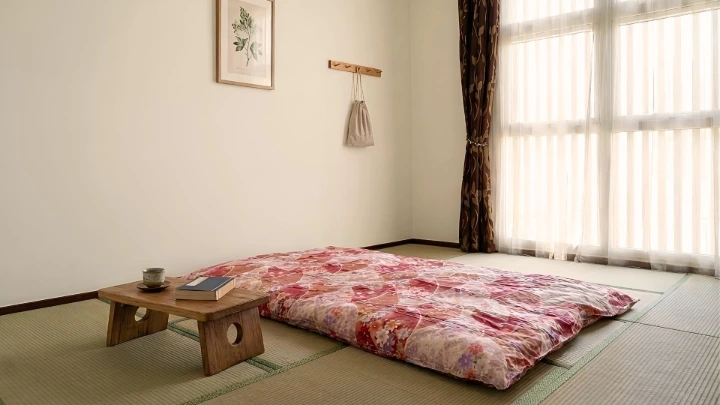
A Simple Tatami Guest Room for Comfortable Long-Stay Visits, a Project with homeowner Mr. Wong →
It's particularly suitable for floor sleeping when paired with a Shikibuton or another suitable Bed Topper. The Tatami provides the base, while the upper layer adds cushioning.
Beyond sleeping, it's also a lovely option for living room lounging, reading, stretching and meditation.
Best for
Daily floor sleeping with a Shikibuton, meditation, lounging and multifunctional living spaces.
Medium Density: For Those Who Prefer More Cushioning
If you enjoy a softer, more yielding feel, consider a Medium Tatami Mat.
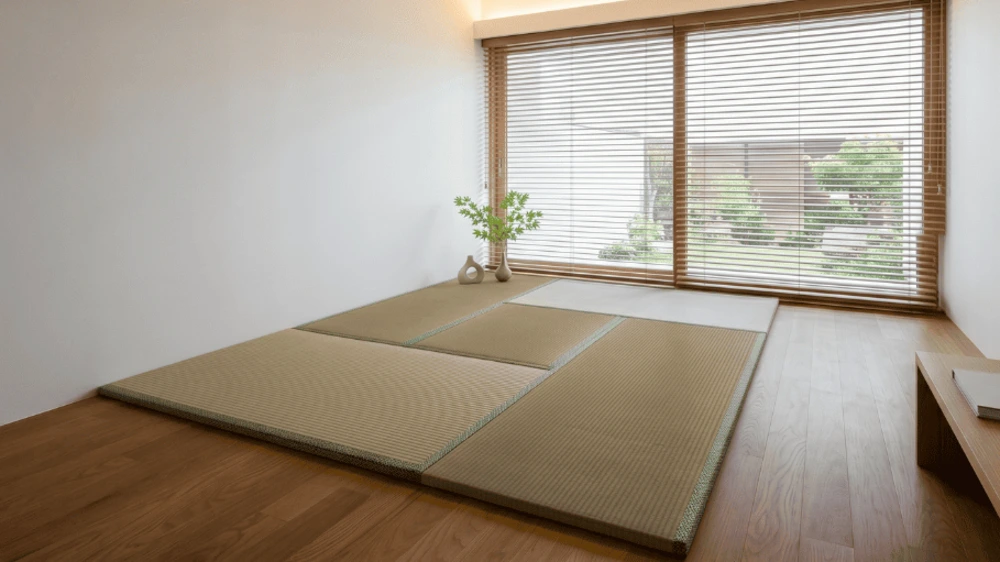
Back Pain Relief Through Tatami Sleeping, a Project with homeowner Alvin →
This is a particularly popular choice among our customers who enjoy resting directly on their Tatami Mats, even without a Shikibuton. Its added cushioning also makes it a nice option for casual floor seating, stretching and creating a dedicated play corner for children.
For side sleepers, Medium density may be worth exploring if you prefer a surface with more give. Your overall sleeping comfort will also depend on the mattress or topper you use, if any.
Best for
Children's play areas, casual seating, direct floor resting and people who prefer a softer feel.
So, Which Tatami Mat Density Should You Choose?
There's no single best density for everyone. It really comes down to how you plan to use your Tatami space and what feels comfortable to you.
As a quick guide:
Hard: For a traditional, completely firm Tatami experience.
Medium-Hard: For firm support with some cushioning.
Medium: For a softer, more yielding surface.
We'd recommend experiencing the different densities in person before deciding.
After all, the best Tatami Mat isn't necessarily the firmest or softest. It's the one that feels right for the way you live.
Visit Our Showroom