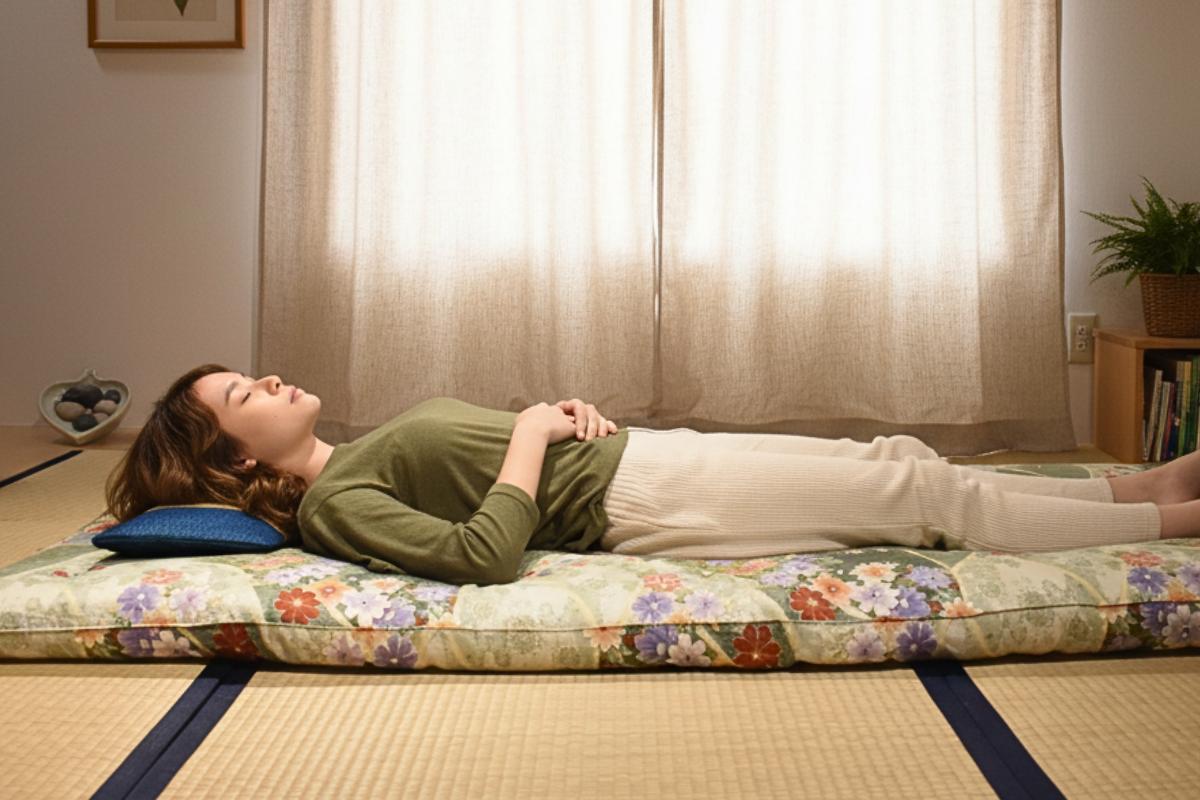
There is one question people tend to ask before trying a Japanese Futon:
“Is it actually comfortable?”
Fair question.
If you're used to a thick Western mattress that you can sink into, lying on a Shikibuton for the first time can feel surprisingly firm. But that does not necessarily mean it is uncomfortable. A Japanese Futon is simply designed around a different idea of comfort.
And whether you love it or spend the first night wondering where your mattress went depends on a few things.
A Shikibuton Feels Firm, But That Is Part of the Point
A Shikibuton is a Japanese Futon mattress designed to provide a firm, supportive sleeping surface without the bulk of a conventional mattress.
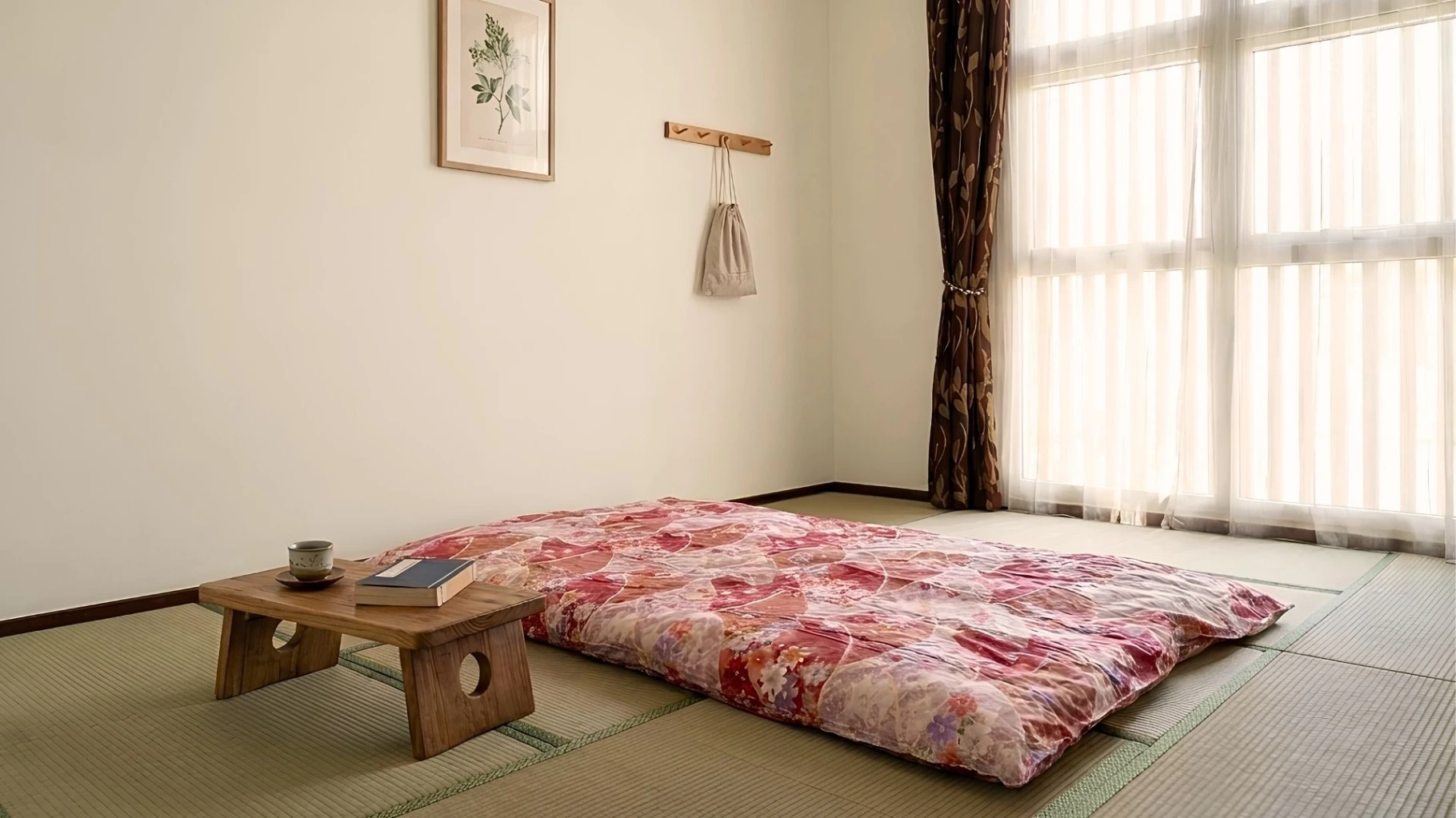
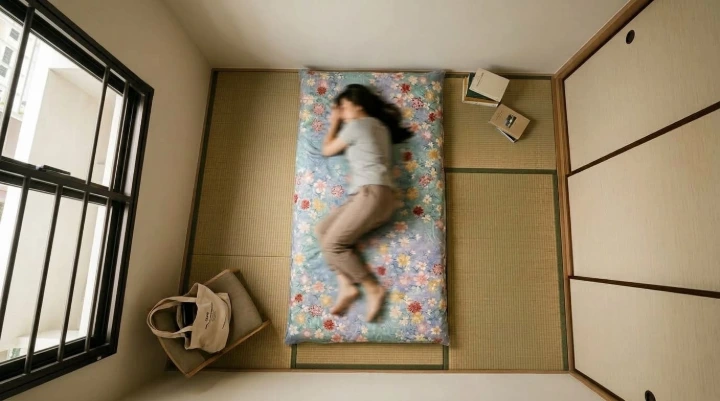
Image from: A Simple Japanese-Style Guest Sleeping Space | Tatami Shop
Our Shikibuton is around 5cm thick, giving you a layer of cushioning between your body and the surface underneath. It is still considerably firmer and thinner than many modern Western mattresses, though.
That firmness can feel pleasantly supportive for some sleepers. A flatter sleeping surface can also reduce the feeling of sinking deeply into the bed, which is one reason people who enjoy firmer mattresses may take to Japanese Futons quite quickly.
Research into mattress comfort also suggests that there is no single firmness level that works for everyone. Body shape, sleeping position and personal preference all affect how a sleeping surface feels.
Your Sleeping Position Changes the Experience
This is where things get interesting.
Back sleepers may find a firm Shikibuton relatively natural because more of the back is in contact with the sleeping surface.
Side sleepers can have a different experience. Your shoulders and hips carry more pressure when you sleep on your side, so a very firm surface may feel less forgiving around those areas.
That does not mean side sleepers cannot enjoy a Japanese Futon. It simply means the rest of the setup matters more.
Your pillow height, the Shikibuton's thickness and what you place underneath it can all change how the sleeping surface feels.
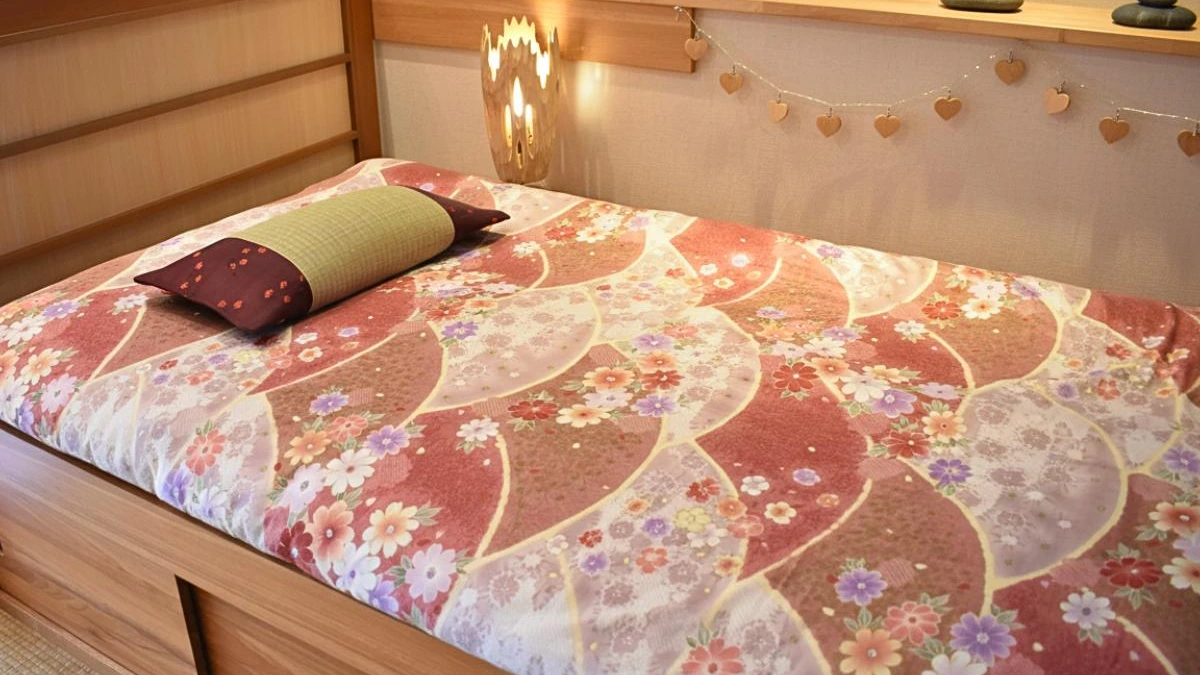
What You Put Under Your Futon Matters
A Shikibuton is not necessarily meant to be thrown onto the hardest floor you can find and called a night.
Traditionally, a Shikibuton is paired with Tatami. The Tatami provides a firm foundation with a little more give than a bare hard floor, while the Shikibuton provides the cushioning and sleeping layer.
So if you are wondering why your Shikibuton feels different on hardwood, tile or Tatami, the answer is simple: the surface underneath is part of the experience.
If you are curious about how Tatami changes the feel of a Japanese Futon, we go into that in more detail in How Does a Tatami Mat Make a Japanese Futon More Comfortable?
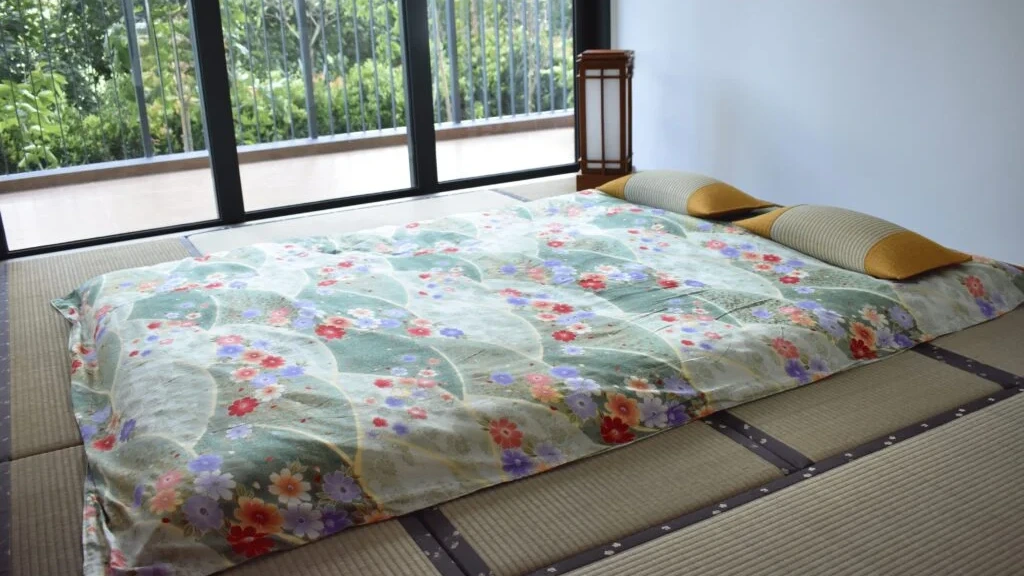
Your Body May Need a Little Time
If you have spent years sleeping on a thick, cushioned mattress, a Japanese Futon can feel strange at first.
That does not automatically mean it is the wrong choice. Your body is simply experiencing a different sleeping surface.
Our guide to Getting Started with Floor Sleeping covers the transition in more detail, including why beginners may want to ease into floor sleeping rather than changing everything overnight.
So, Is a Japanese Futon Comfortable?
The honest answer is: it depends.
A Shikibuton can feel comfortable if you enjoy a firmer sleeping surface and have a setup that suits your body and sleeping position. It can also feel too firm if you are used to a plush mattress, especially when placed directly on a hard floor.
There is no universal “comfortable” when it comes to sleep.
The better question is: comfortable for you, in your setup, with your sleeping style?
And that is exactly why the Shikibuton, Tatami and the rest of the Japanese Futon system work together rather than trying to make one piece of bedding do everything.