
So you’re thinking about bringing the serene, earthy feel of a tatami mat into your home. That is a fantastic choice, really. Tatami has been a staple in Japanese homes for centuries, and it brings a certain calm, almost quiet grounding to any room.
But here’s the thing—as soon as you start looking, you realize you have a choice to make: the classic, 100% natural straw and rush grass mat, or one of the newer, sleek synthetic versions. It can feel a bit overwhelming, perhaps even confusing, to figure out which one is right for your space and your life.
I think we often assume that "natural" is automatically superior, especially when it comes to home furnishings. But let’s be honest, modern materials have come a long, long way. To decide, we need to peel back the layers on both, looking at how they feel, how they last, and what kind of commitment they ask from you.
Natural Tatami: The Classic Experience
The traditional tatami mat is a marvel of simplicity and function. It’s primarily made of two parts: the toko (the core) and the omote (the cover). Traditionally, the toko is densely compressed straw, and the omote is woven from rush grass, known as igusa.
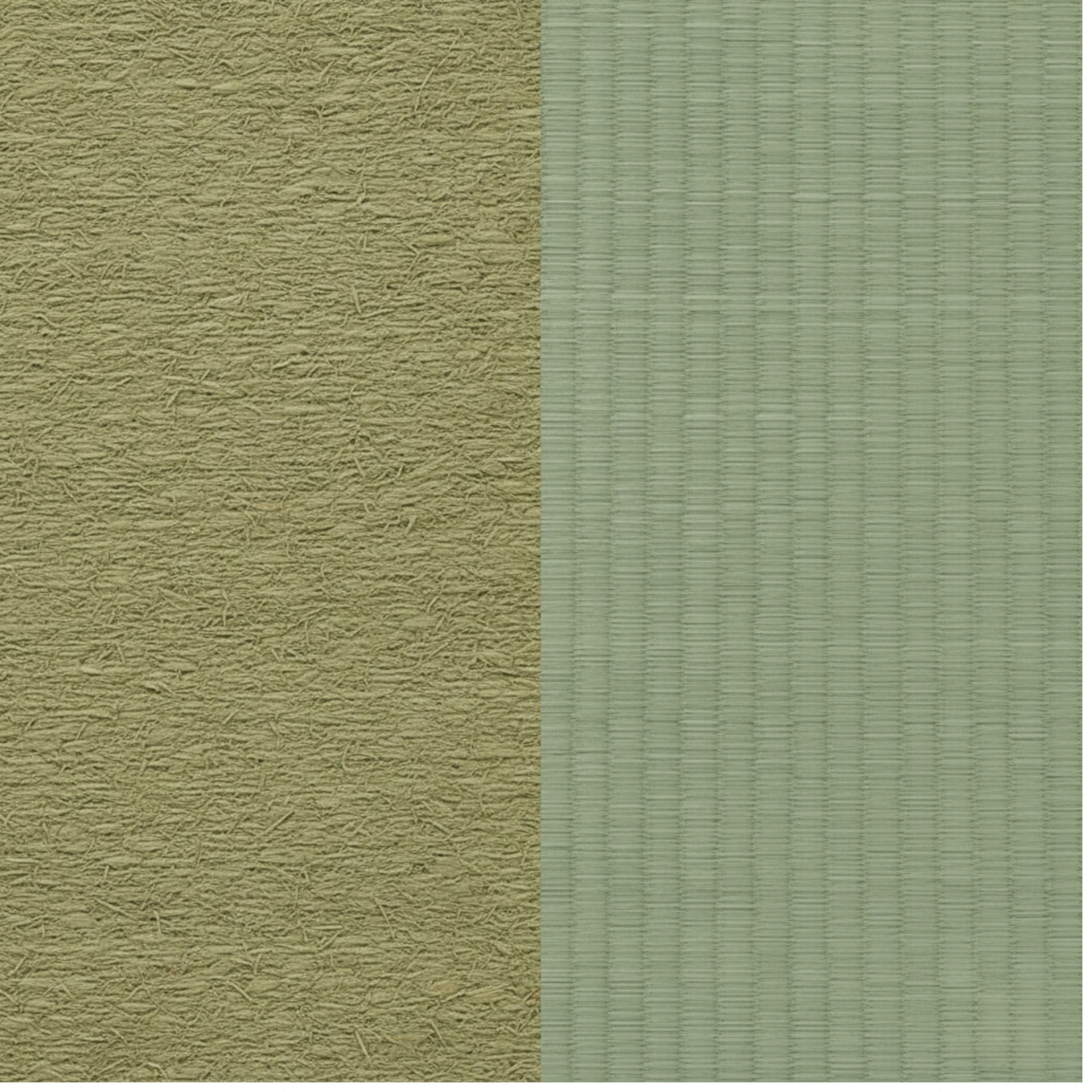
Comparison: MIGUSA (on the left) and Natural Tatami (on the right)
The Upsides of Going Natural
1. That Undeniable Feel and Smell
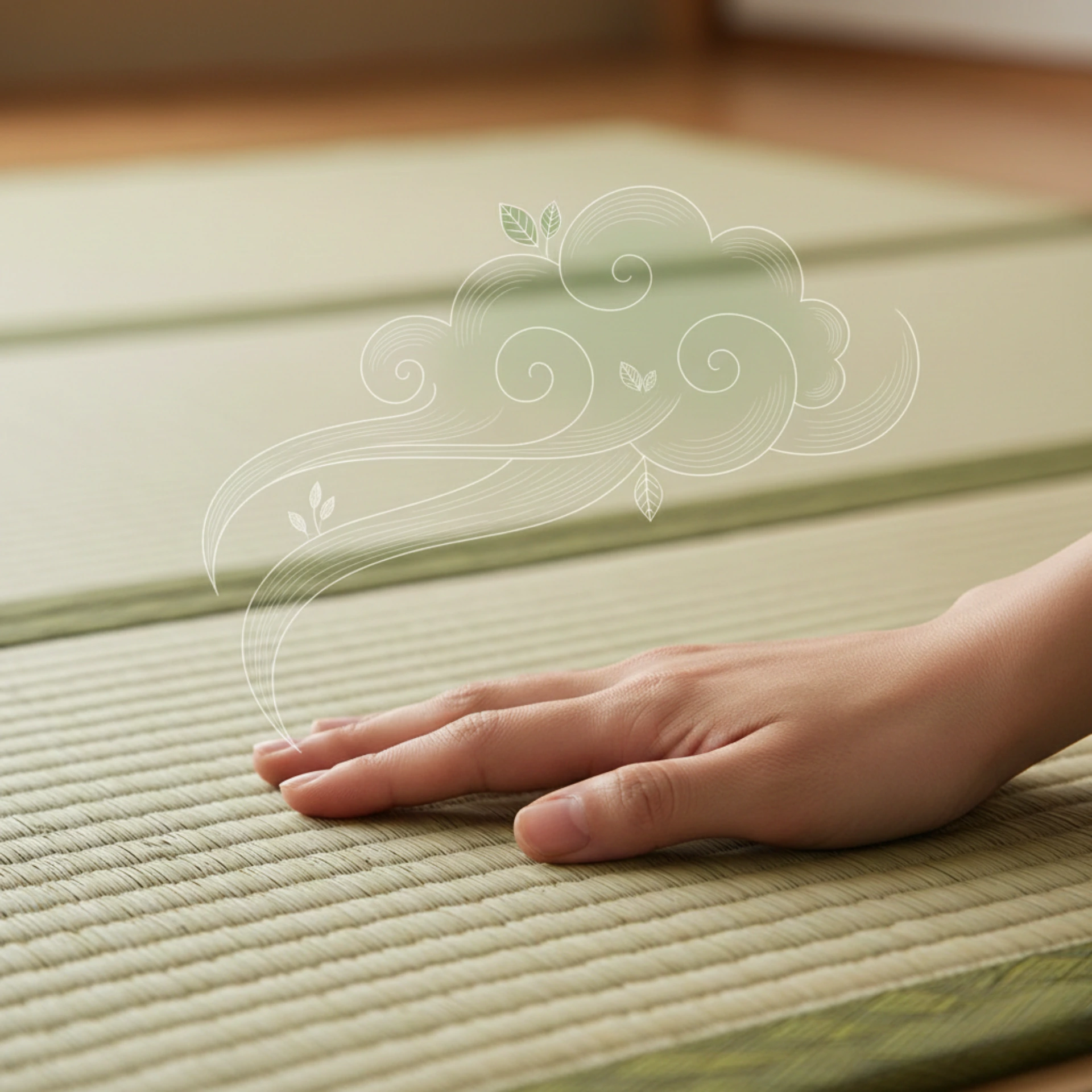
You simply cannot replicate the scent of natural igusa. It’s a subtle, grassy aroma that many people find incredibly calming. And the feel? The straw core offers a unique cushion effect underfoot—low impact, soft enough to sit on for hours, yet firm enough to support a good sleeping posture. This is what you pay for; the luxurious, almost springy resilience.
2. A Natural Regulator
Natural tatami excels at humidity control. The straw core breathes, absorbing moisture when the air is humid and releasing it when the air is dry. It’s like having a silent, passive dehumidifier in the room, which also helps keep the air cleaner.
3. Durability (with Effort)
While the price is often higher upfront, a well-maintained natural straw core (wara-toko) is exceptionally durable. It’s built to last for decades, sometimes even more economical over the long run, provided you commit to its specific maintenance needs.
The Challenges of Natural Tatami
This is where the romance meets reality. Natural tatami, being an organic material, requires real effort.
Humidity and Maintenance
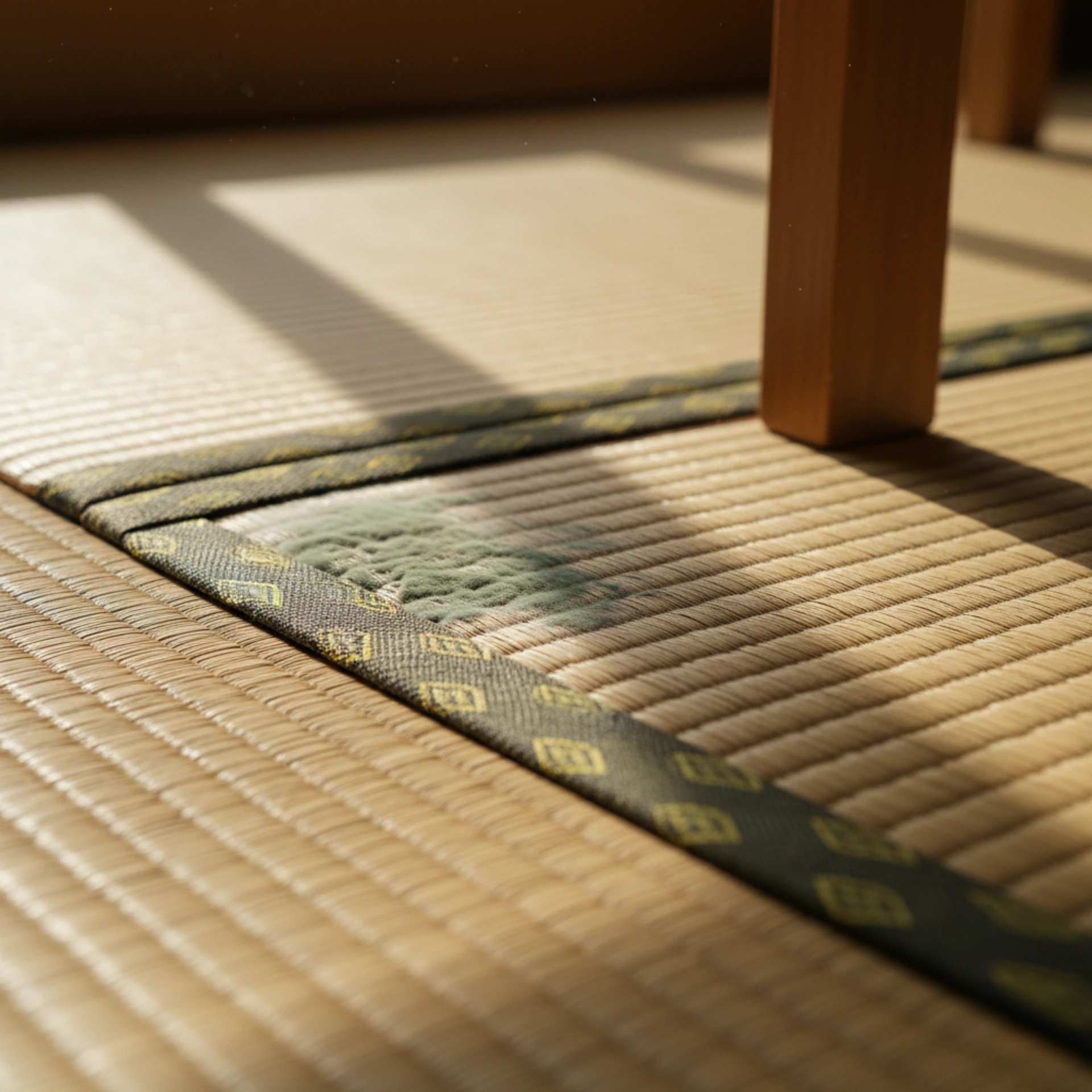
Because it absorbs moisture, natural tatami is prone to mites and mold, especially in very humid climates or if spilled on. Regular cleaning and consistent ventilation are non-negotiable. If you leave a damp towel on it, you’re asking for trouble, truly.
Fading and Wear
The beautiful rush grass color will subtly change over time, which some see as patina, but it does fade, and it is less resistant to friction and staining than synthetic options.Synthetic Tatami: Modern Convenience Meets Tradition
When people talk about synthetic tatami, they are usually referring to mats that substitute the igusa rush grass cover with materials like woven Japanese paper (Washi-omote), or sometimes even vinyl or polymer products like MIGUSA. The core is often a building material base (kenzai-toko) made of wood fiberboard or polystyrene foam, sometimes sandwiched with straw for a lighter feel.
Read more about sustainability and Tatami
Why People Choose Synthetic
1. Maintenance is Easier, Period
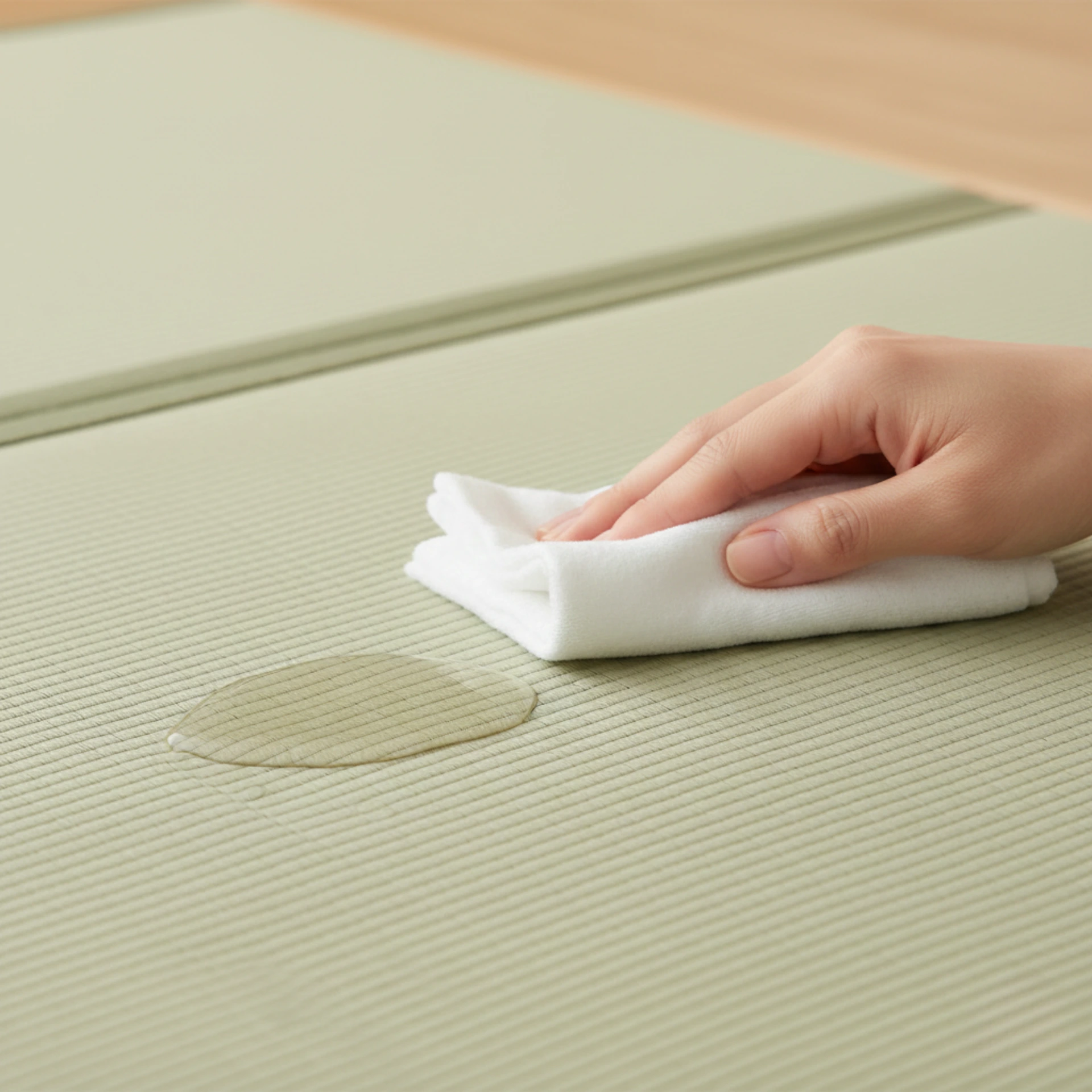
This is perhaps the biggest selling point. Synthetic surfaces like *Washi* or MIGUSA are typically treated to be water repellent, meaning spills wipe right up with a damp cloth. Mold and mites are essentially non-issues. If you have kids, pets, or live somewhere coastal, this is a massive advantage.
2. Color Consistency and Durability
Synthetic mats are famously strong and durable. They resist friction and wear far better than rush grass and, crucially for interiors, they don't fade easily. They maintain their look year after year with minimal effort.
3. Cost and Weight
The modern foam or building material cores are generally less expensive than traditional straw cores, and they are much lighter, making installation and moving easier.
The Trade-Offs of Synthetic
While the convenience is tempting, you do give up a few things.
Losing the Natural Scent: You lose that unique, earthy, calming aroma of igusa rush grass. The synthetic versions are odorless, which is fine, but you miss out on a key part of the traditional experience.
Air Quality: Natural rush grass has air-purifying benefits, something synthetic paper or polymer cannot replicate. If you value the bio-regulating properties of natural materials, the synthetic options fall short.
The Underfoot Feel: While some high-quality foam cores attempt to mimic the cushion, the synthetic base simply cannot achieve the same distinctive, low-impact resilience of a pure compressed straw core. It’s often firmer, sometimes even feeling a bit board-like by comparison, though the foam-straw hybrid bases are much better.Making the Call
When advising people, I always question their assumptions. If your assumption is that you need the look of tatami without the upkeep of a natural product, then synthetic is absolutely the way to go. It’s practical, durable, and clean.
However, if your primary goal is to fully experience the traditional benefits—the scent, the air regulation, and that inimitable, almost therapeutic cushion underfoot—then you must choose natural. Just understand that with those benefits comes the responsibility of regular ventilation and care.
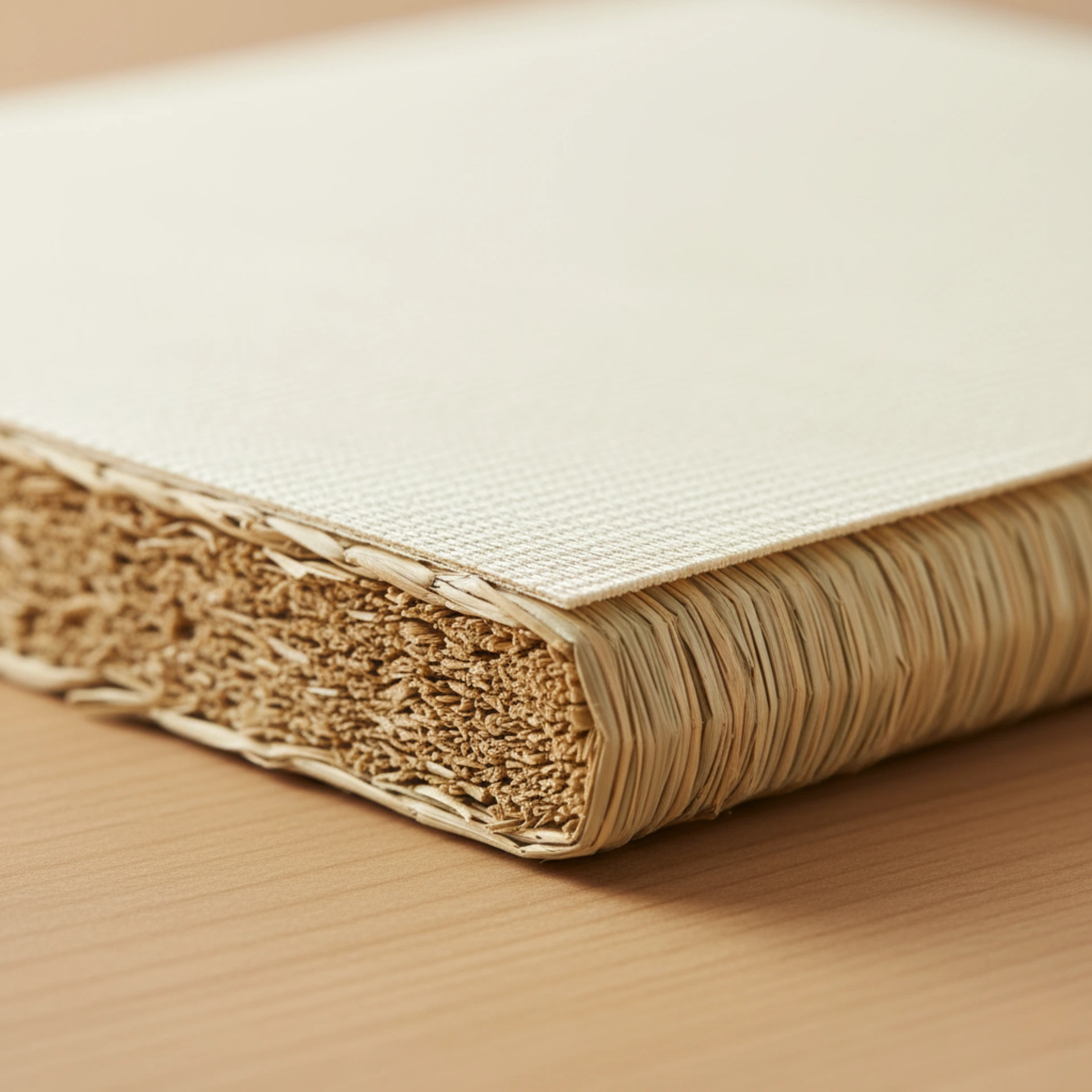
Perhaps a balanced approach is best for some: consider a natural straw core base for a high-quality feel, but topped with a durable, easy-to-clean Washi-omote surface. It's a great compromise, giving you the best of both worlds—longevity in the core and low maintenance on the surface.
Ultimately, the choice comes down to your priorities: Do you prioritize ease of cleaning and longevity (Synthetic), or do you prioritize the traditional, aromatic, humidity-regulating experience (Natural)? Know what you’re looking for, and you can’t go wrong.