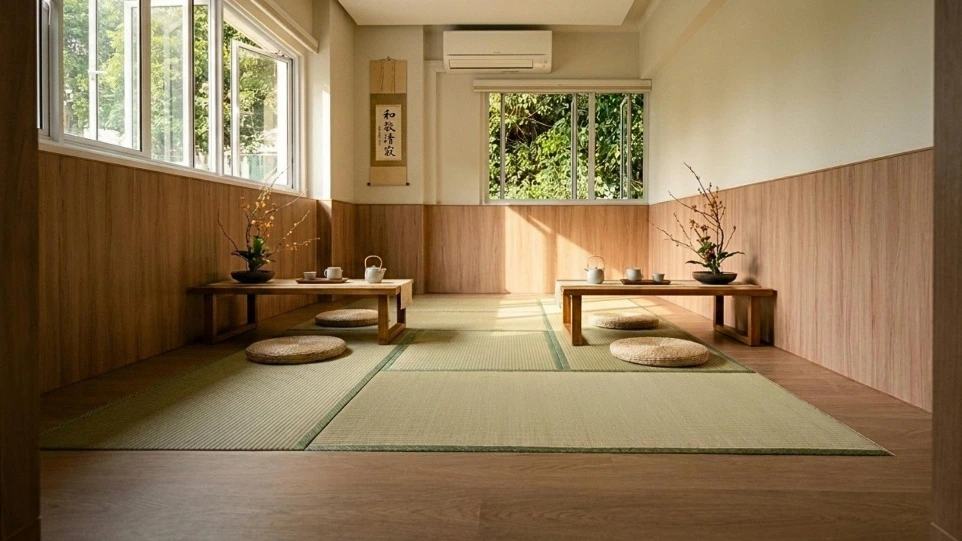
You've probably seen them in pictures of traditional Japanese homes – those distinct, woven mats covering the floors. They're called tatami, and honestly, they're far more than just a floor covering. I mean, perhaps you could say they're an integral part of Japanese culture, shaping everything from architecture to interior design, and even daily life. So, what is a tatami, really? Let's take a bit of a deeper look.
Not Just Any Mat: The Anatomy of a Tatami
At its core, a tatami mat is a type of flooring used in traditional Japanese-style rooms. But don't confuse it with a simple rug! There's a whole lot more going on.
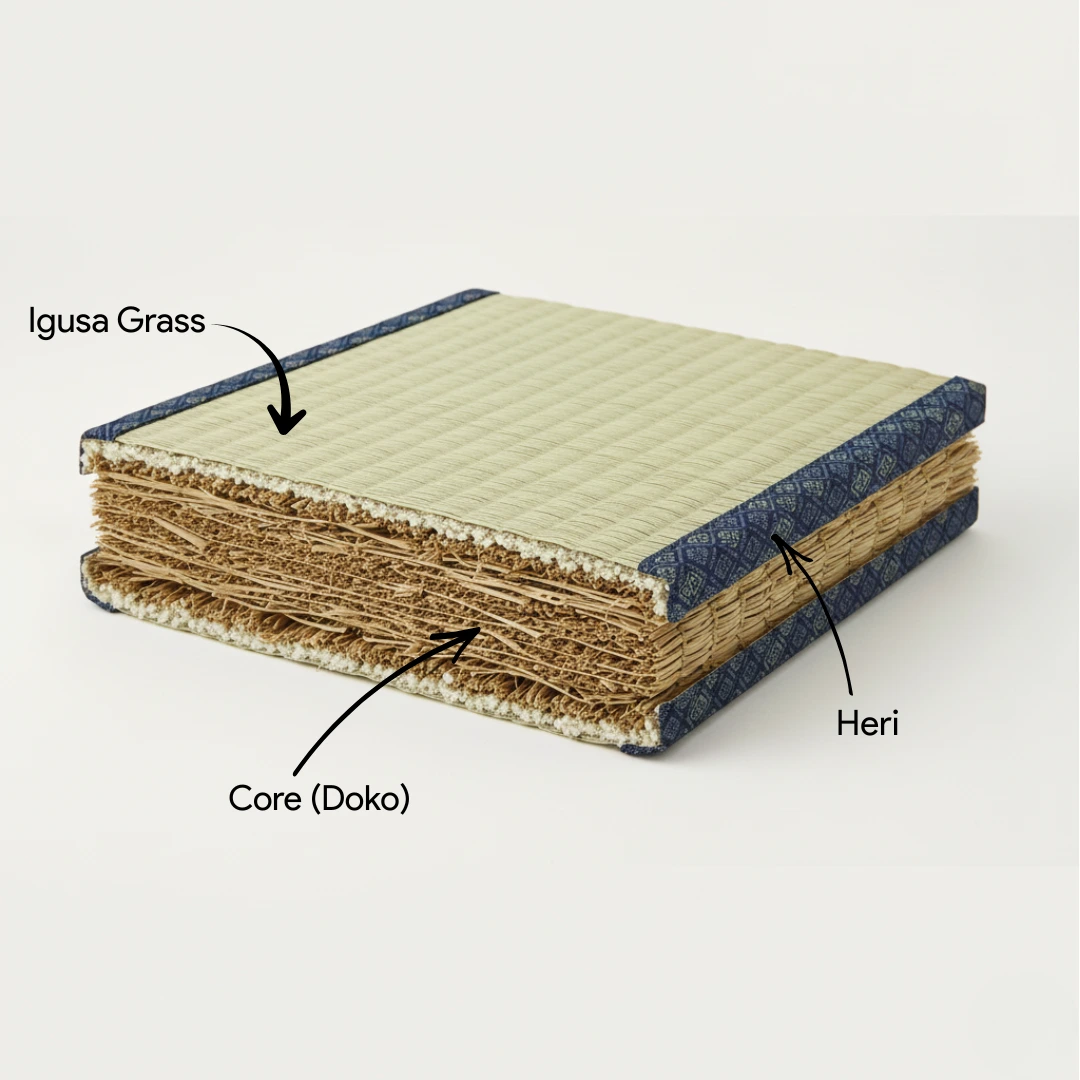
Typically, a tatami mat has a few key components:
The Core (Doko)
This is the heart of the mat, usually made from compressed rice straw. This gives it its characteristic firmness and insulation properties. Though, I think some modern tatami might use wood chip boards or even polystyrene foam for the core, especially for lighter, more contemporary versions.
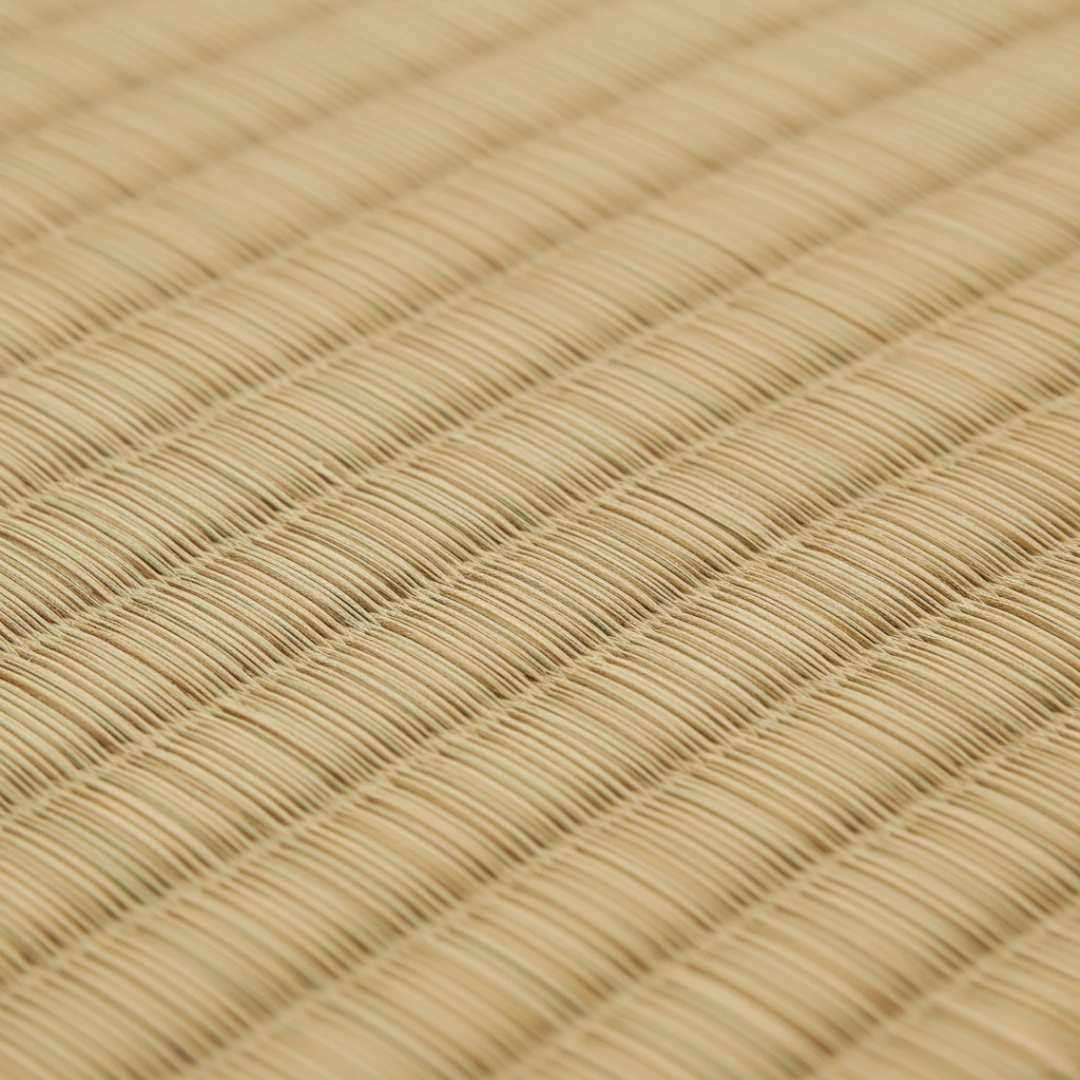
The Covering (Omote)
This is the visible surface, woven from rushes (specifically, igusa rush). This is what gives tatami its unique greenish hue when new, which gradually mellows to a golden straw color over time. It's also where that distinct, slightly earthy scent comes from – a smell that, for many, evokes a sense of Japan.
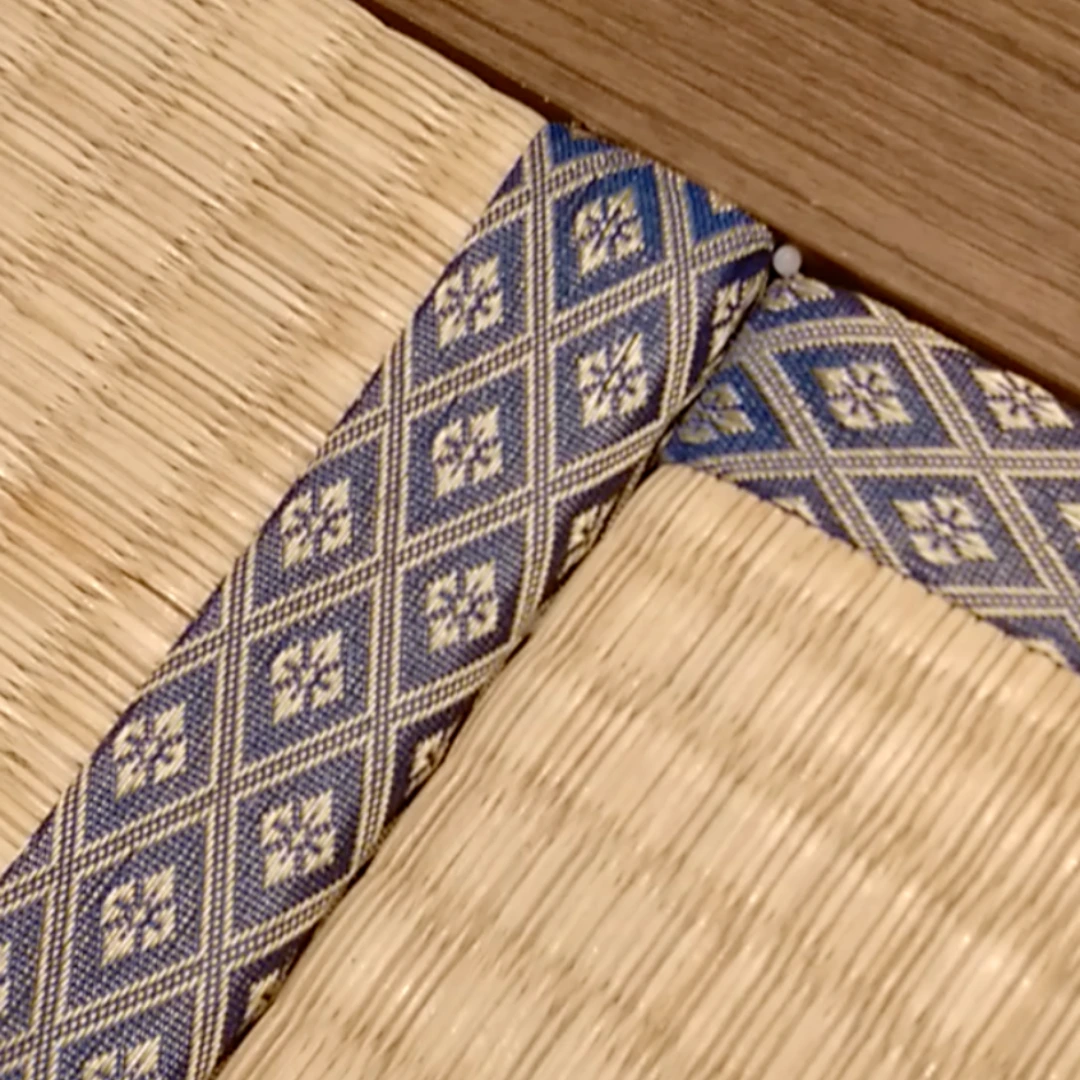
The Edging (Heri)
A cloth border, often made of brocade or plain fabric, that runs along the long sides of the mat. The color and pattern of the heri can actually signify the status of the room or even the owner, though I think in more modern settings, it's often a decorative choice.
More Than Just Flooring: The Purpose and Placement of Tatami
So, why tatami? Well, they serve several crucial functions beyond just aesthetics.
For one, they provide insulation. In both hot summers and cold winters, the rice straw core helps regulate indoor temperatures, making rooms feel more comfortable. They're also wonderfully cushioned, offering a softer surface for sitting or even sleeping directly on the floor – which is a very common practice in Japan, especially with futons. And, of course, there's the aroma. The subtle scent of the igusa rush is often considered calming and refreshing, contributing to the serene atmosphere of a Japanese home.
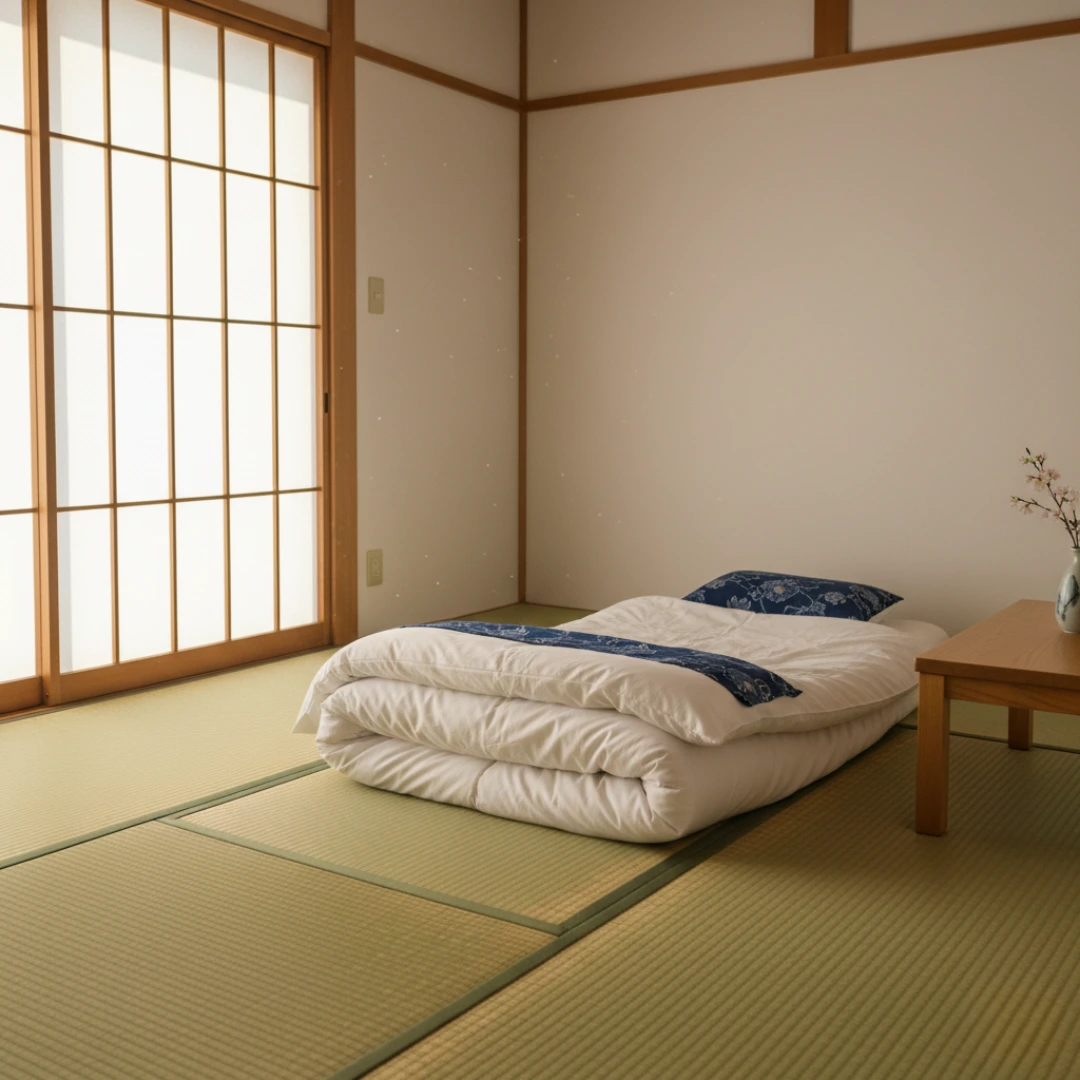
Historically, the arrangement of tatami mats in a room followed specific rules, and these arrangements could even convey meaning or status. While those strict rules are less common now, I think the general sense of order and balance that tatami brings to a space is still highly valued.
Tatami Today: Blending Tradition with Modernity
While tatami mats are deeply rooted in tradition, they aren't just relics of the past. You can absolutely find them in modern Japanese homes, perhaps in a dedicated "washitsu" (Japanese-style room) or even integrated into more Western-style living spaces for a touch of traditional elegance.
Some people might think tatami is just for old houses, but I've seen some pretty stylish contemporary designs that use them really effectively. They add a certain warmth and texture that's hard to replicate with other flooring types.
Maintenance-wise, tatami does require a bit of care. It's best to avoid wearing shoes on them, and they need to be kept dry to prevent mold. But, with a bit of attention, they can last for many years, becoming a cherished part of a home.
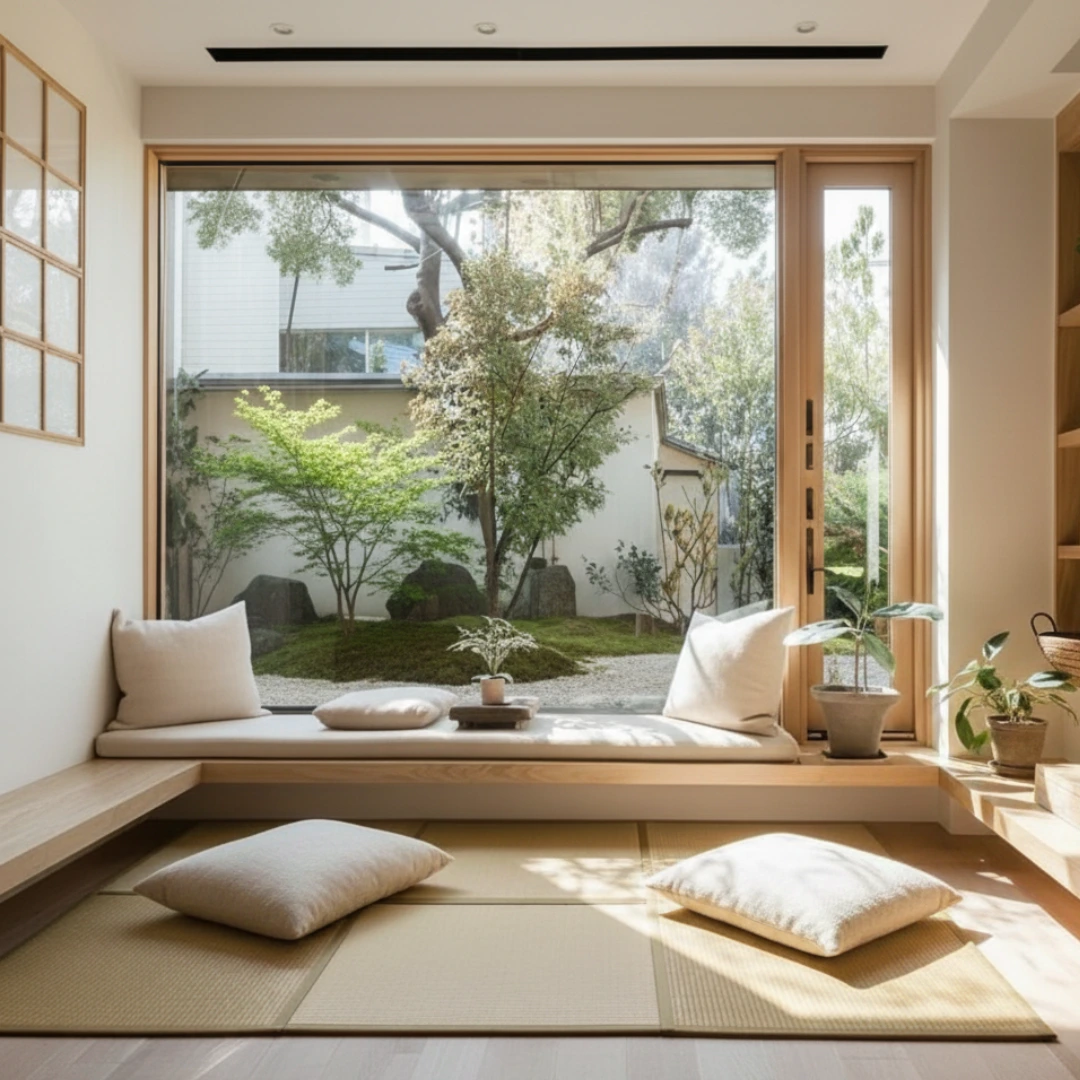
In essence, a tatami mat is a testament to Japanese craftsmanship and a deeply ingrained aspect of its cultural identity. It's not just a mat; it's an experience, a connection to history, and a really smart piece of design, if you ask me. Perhaps if you ever get the chance, you should try sitting on one – you might just find yourself feeling a little more centered.