
Most of us never stop to think about how high our furniture sits. A standard bed, a tall sofa, a dining table. That's simply what a home is "supposed" to look like.
Then you walk into a space with low-profile furniture, and something feels different. Not because the room is bigger, or because there's less furniture. The room hasn't changed. Your point of view has.
Lower your eye level, and the room starts to look different.
When you spend time closer to the floor, your line of sight naturally shifts. Instead of looking straight across at furniture, you begin noticing more of the room itself.
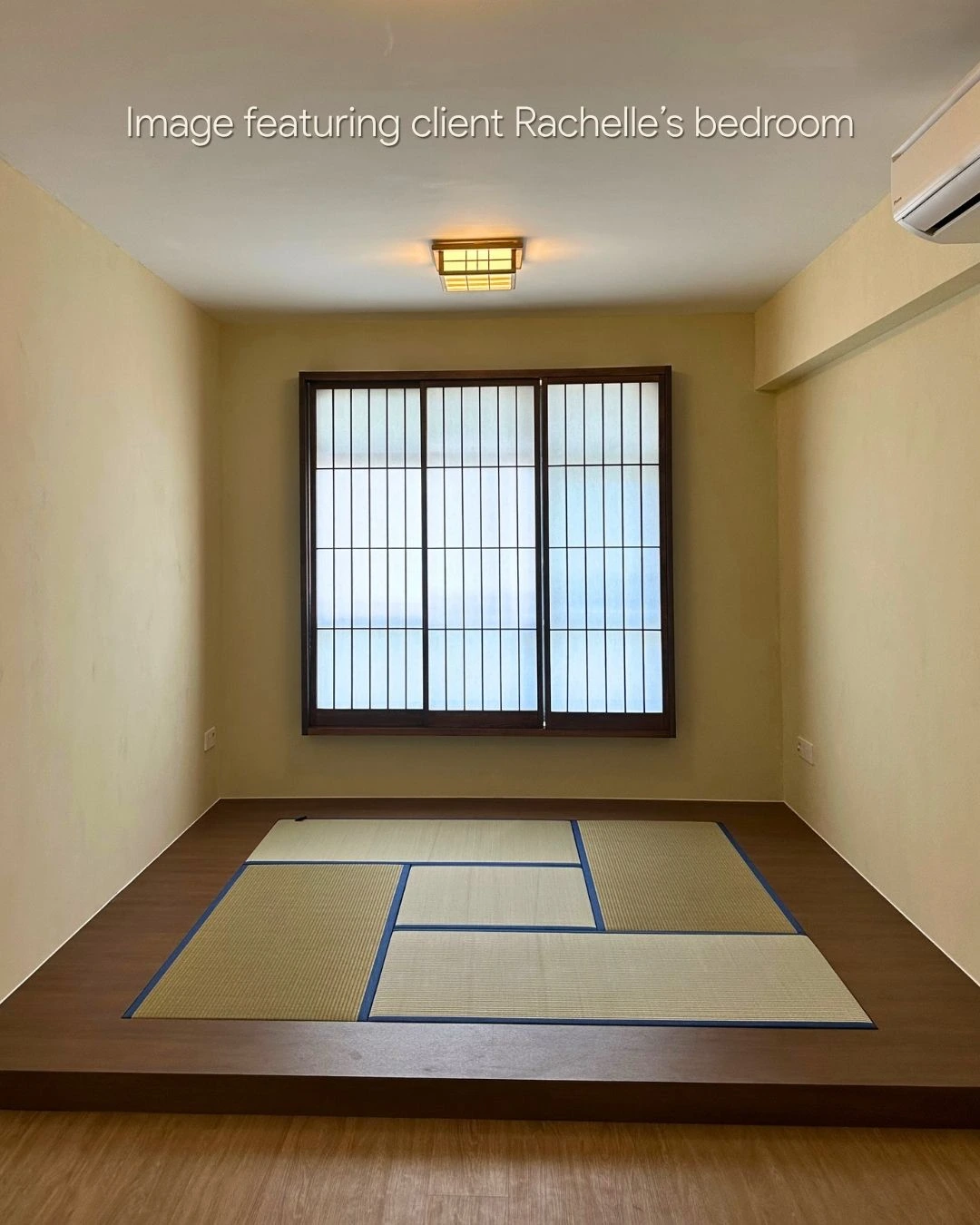
More wall space stays in view. The ceiling appears higher because there's more distance between where you're sitting and what's above you. Large pieces of furniture no longer dominate your field of vision, so your eyes can travel further across the room before stopping.
It's a subtle change, but it adds up. The room feels more open, even though every wall is exactly where it was before.
This is one reason why low-profile furniture has become increasingly popular in modern interiors. As homes become more compact, people are looking for ways to make a space feel less crowded without actually making it larger.
It's a perspective that's been around for centuries.
Long before low-profile furniture became a design trend, it was already part of everyday life in Japan.
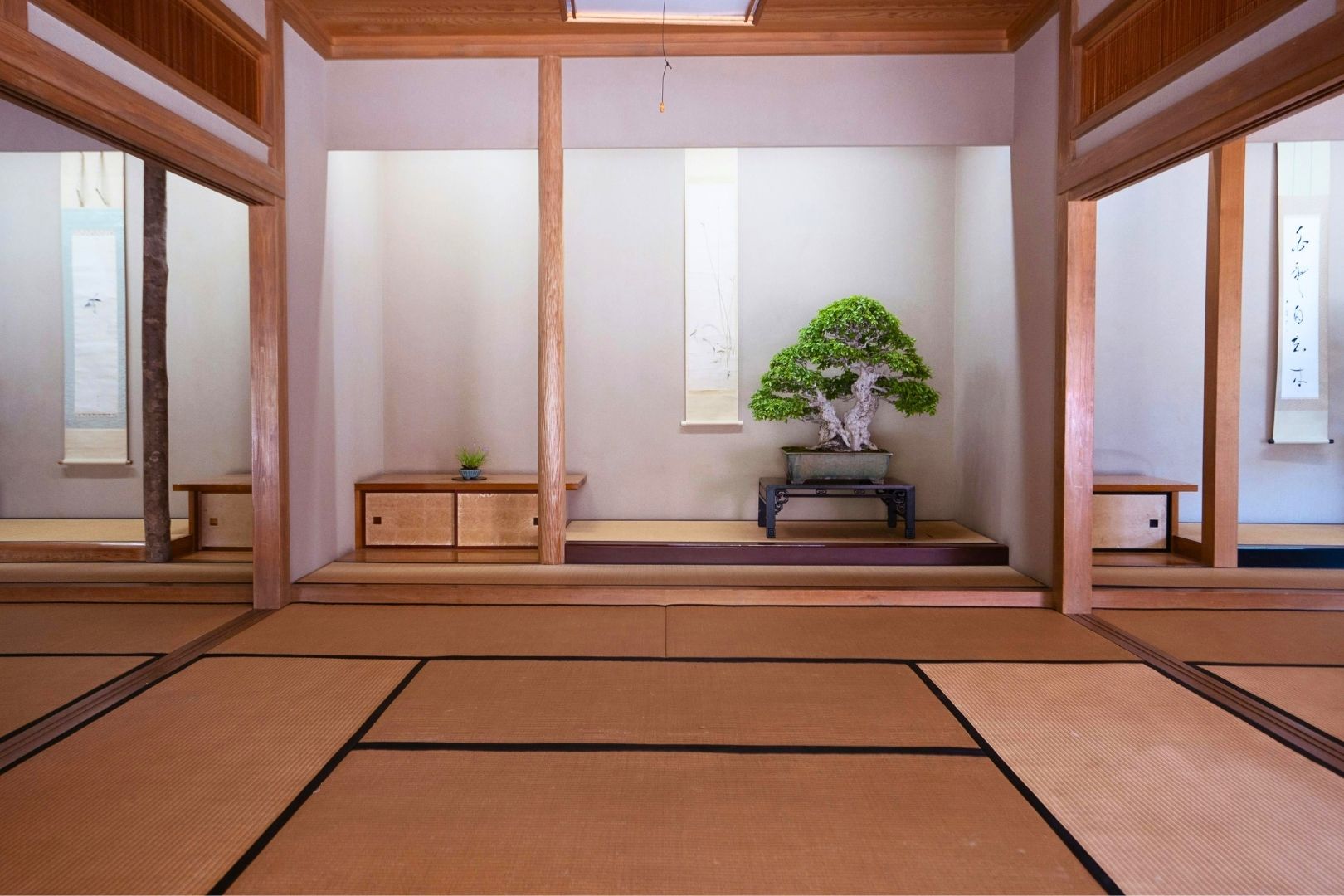
Traditional Japanese homes were designed around the floor. People gathered, relaxed, ate, and slept closer to the ground, with Tatami rooms serving different purposes throughout the day. Furniture played a supporting role instead of becoming the main feature of the room.
That approach naturally created open sightlines and a greater sense of space. The layout wasn't trying to make a room look bigger. It simply made better use of what was already there.
Even today, that same thinking continues to influence Japanese interiors. Rather than filling every corner, the focus is often on giving the space room to be appreciated.
Sometimes the biggest change isn't the room. It's how you notice it.
After switching to low-profile furniture, people often expect the biggest difference to be how the room looks. Instead, it's usually how they experience it.
Natural light becomes more noticeable because there are fewer tall surfaces breaking it up. Windows draw more attention. Even details like the grain of wooden furniture or the texture of Tatami become easier to appreciate when they're closer to your natural line of sight.
None of these changes require renovating your home or adding more space. You're simply looking at the same room from a different perspective.
Sometimes, that's enough to make a familiar space feel new again. And perhaps that's why low-profile living has remained relevant for generations. It's not about following a trend. It's about discovering that changing one simple thing, your perspective, can change how your home feels every day.