Embracing minimalism in home design often brings us closer to time-honored lifestyle traditions. Among these, Tatami floor sleeping has captured widespread interest for its incredible health advantages, space-saving utility, and grounding aesthetic.
Central to creating an authentic Japanese floor bed setup is selecting the right foundation. However, modern homeowners face a common dilemma: should you invest in Synthetic Tatami Mats or choose traditional Tatami Mats made of natural Igusa Rush grass?
When optimising your living space for mindful rest, understanding the structural durability of your flooring is essential. Let’s break down how synthetic alternatives hold up against the time-tested performance of original natural grass mats.
Understanding the Materials: Synthetic vs. Traditional
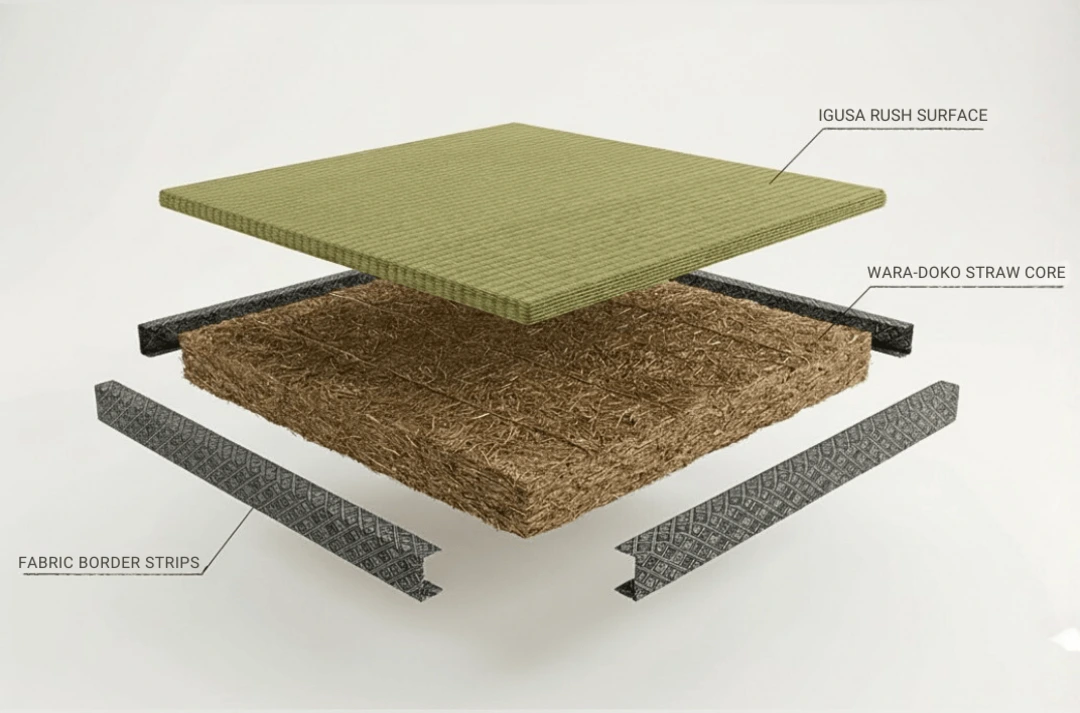
To evaluate longevity, we must first look at what goes into these floor coverings. Traditional Tatami Mats are beautifully handcrafted using 100% natural Japanese Igusa (Rush grass) woven over a compressed straw or wood-fibre core. These natural fibers are breathable, naturally regulate humidity, and release a calming, subtle aroma that enhances your sleep environment.
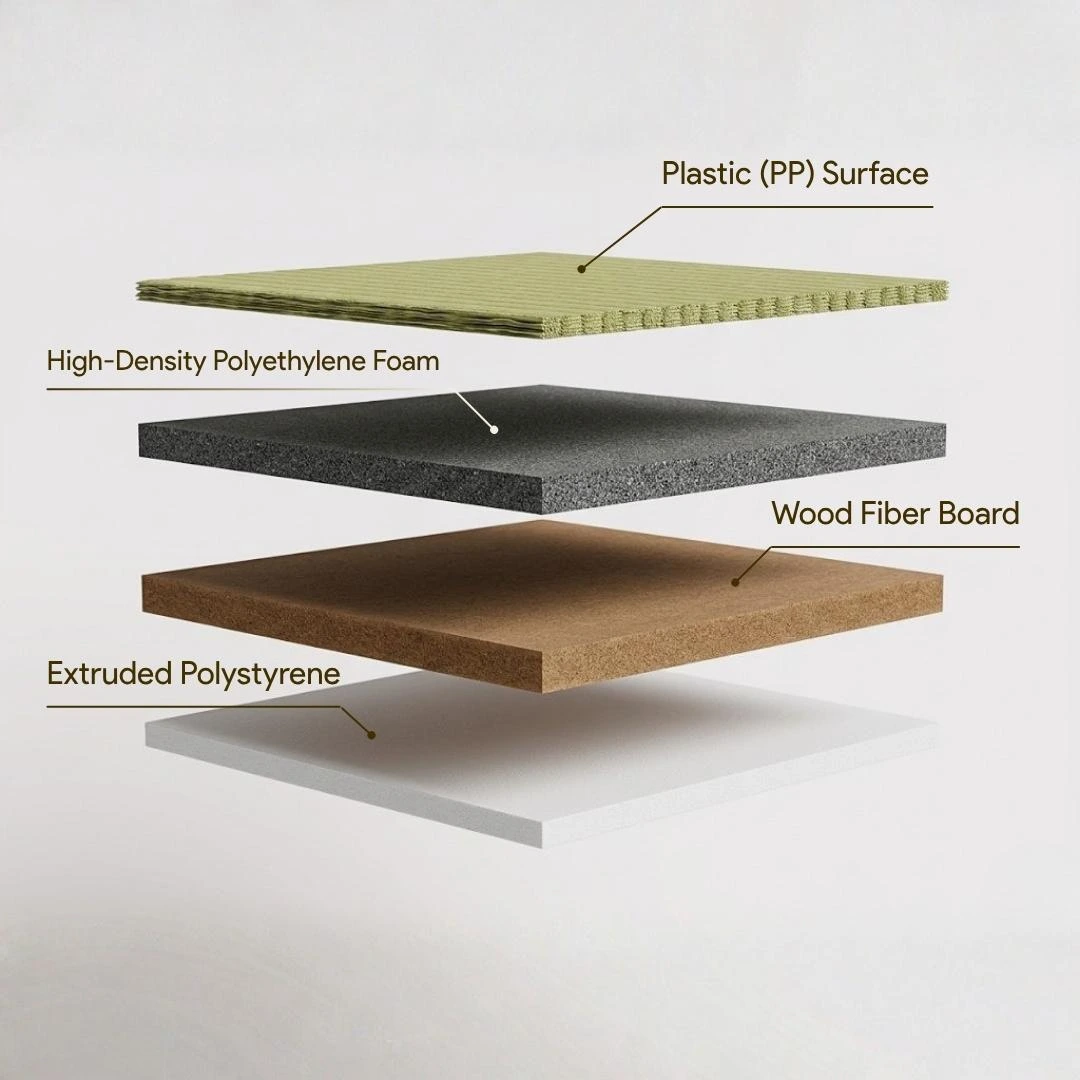
On the other hand, Synthetic Tatami Mats are manufactured using industrial plastics, polymers, or resin-coated paper. While engineered to mimic the woven look of natural grass, they lack the organic texture, breathability, and authentic cultural essence that a natural Igusa mat brings to a home.
Structural Durability: Resisting Daily Wear and Tear
In terms of sheer resistance to surface damage, synthetic variants hold a slight edge in high-traffic commercial zones. Plastics do not scratch or scuff easily, making them common in martial arts dojos.
However, for residential spaces and dedicated spaces for floor sleeping, premium natural mats offer remarkable, resilient longevity (provided they are well used and taken care of).
High-quality natural Igusa is incredibly robust; as it ages, it shifts beautifully from a vibrant green to a deep, golden amber hue. This graceful maturation is a hallmark of authentic Japanese craftsmanship. When properly cared for, a natural mat provides a perfectly firm, supportive surface that preserves its structural integrity for decades without flattening.
Moisture, Mould, and Southern Hemisphere Climates
Coastal environments and varying seasonal humidity place distinct demands on indoor flooring. Because synthetic materials are non-porous, they repel liquid spills easily. However, this lack of breathability creates a drawback for anyone setting up a full-time Japanese floor bed.
Natural Igusa Mats excel at moisture regulation. They absorb excess humidity from the air during muggy summer days and release it when the air dries out. When utilised alongside a breathable Shikibuton (futon mattress), natural mats allow air to circulate freely beneath you.
Synthetic mats seal off airflow completely, meaning body heat and perspiration trapped beneath your mattress have nowhere to go, increasing the risk of trapped moisture between the mat and your subfloor.
Mindful Living and Lasting Quality
While synthetic options offer low-maintenance convenience, they ultimately lack the holistic spirit of authentic wellness. At Tatami Shop, we believe choosing the right floor foundation is an investment in a calmer, more conscious lifestyle.
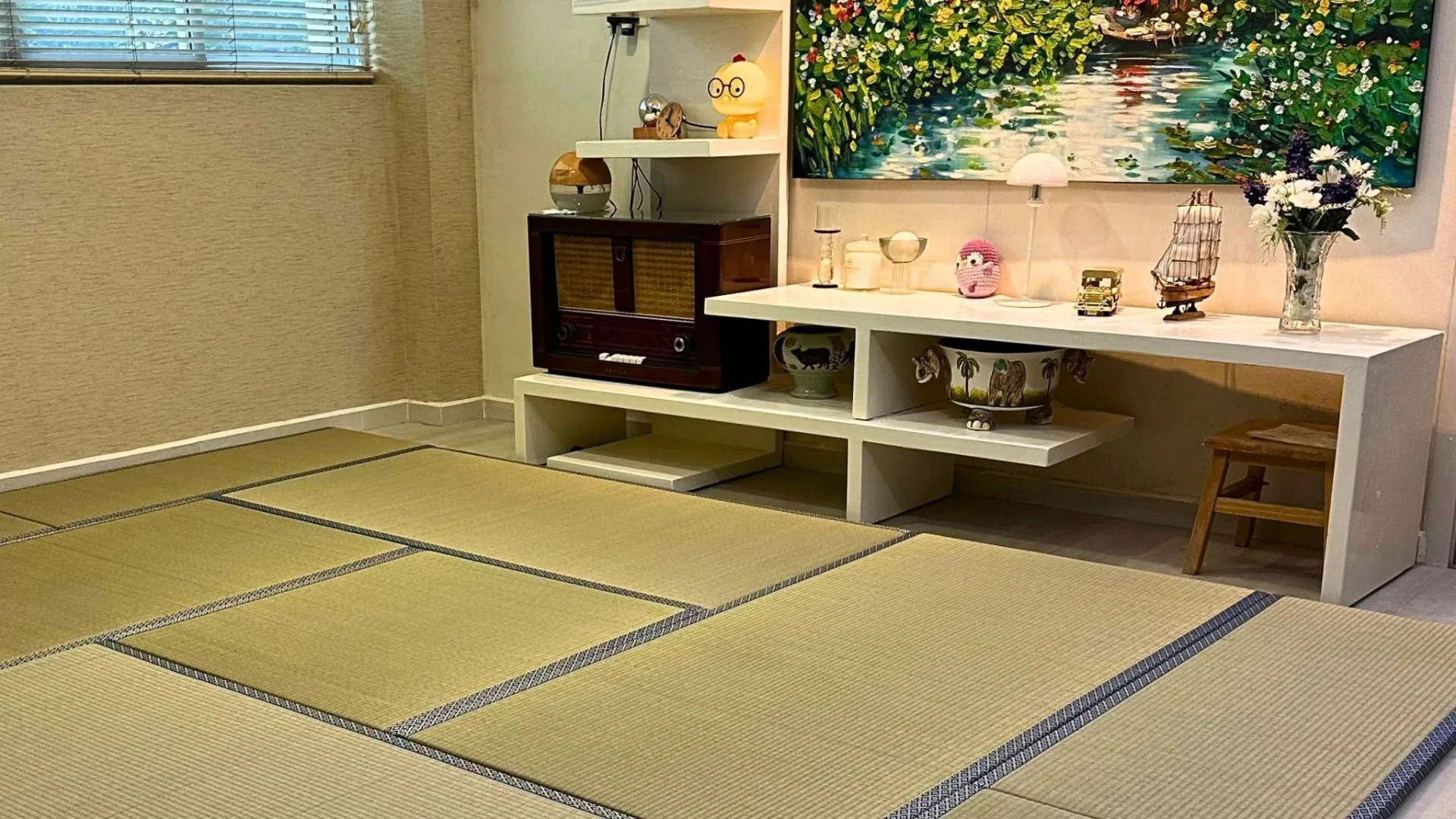
Natural Tatami Mats do more than cover a floor; they actively clean the indoor air, cushion your steps, and support natural spinal alignment during sleep. They connect your living space to nature, providing an organic warmth underfoot that synthetic plastics simply cannot replicate.
The Verdict: Which is Best for Your Home?
If you require a pretty much waterproof barrier for an area prone to heavy liquid spills, synthetic materials offer a utilitarian fix.
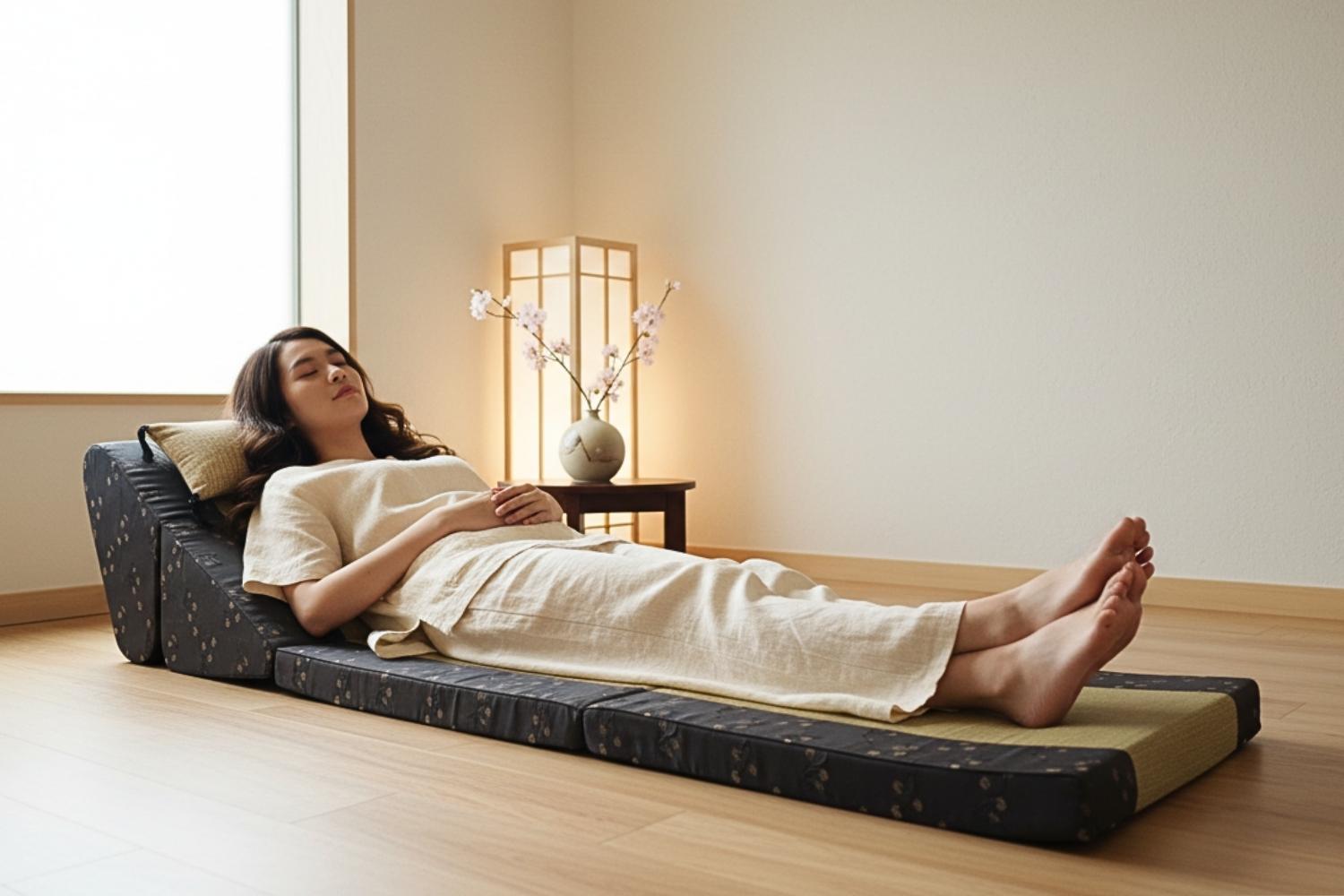
But if your goal is to design a restorative, healthy environment for Tatami floor sleeping, the enduring quality, breathability, and cultural richness of traditional Tatami Mats remain completely unmatched. Invest in authentic comfort that stands the test of time and elevates your daily ritual of rest.